We share everything about Electronic Components OEM, ODM, or private label solutions...

We continuously share and publish original articles about electronic components and OEM/ODM/private label solutions. We hope these articles provide you with valuable insights to support your private label electronic components business.

If you don’t want to miss our article, please subscribe to our newsletter. 

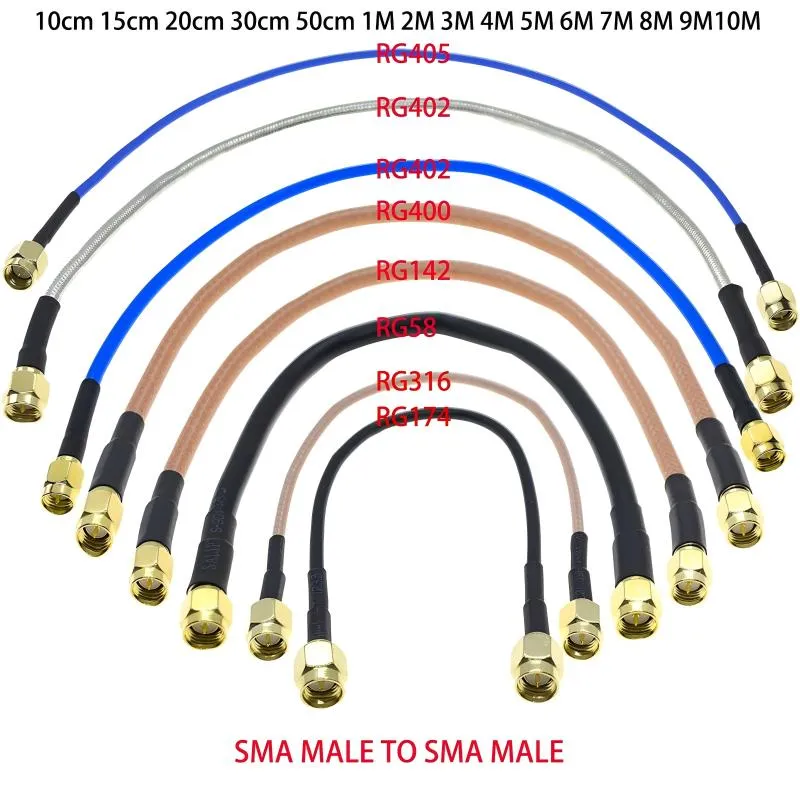
Diagram showing SMA connector geometry matched to different 50-ohm coaxial cable families

SMA Connector Reliability and Installation Rules

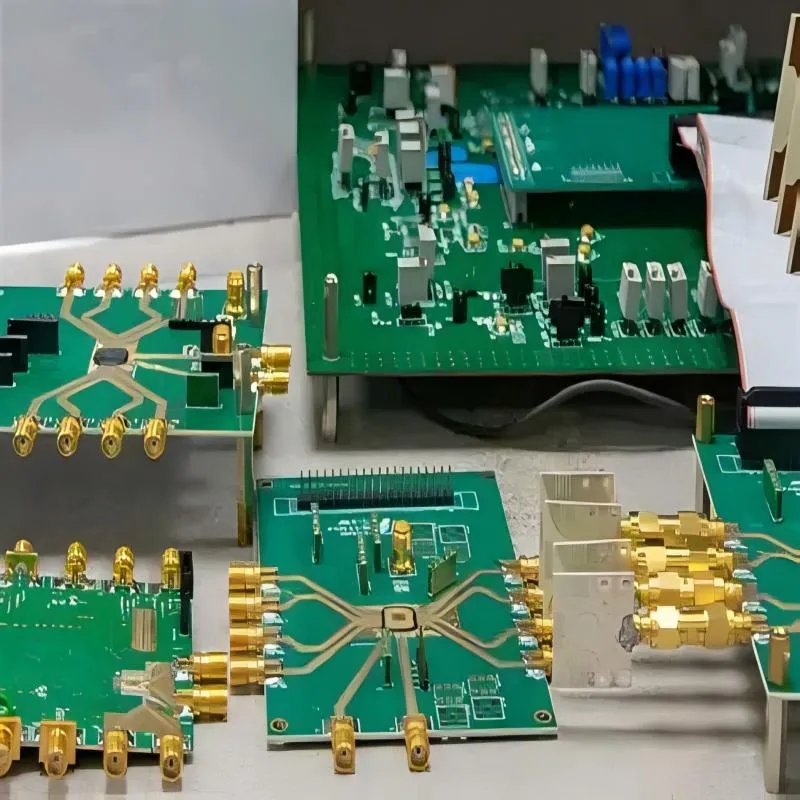
In many RF systems, the SMA connector enters the design quietly. It is familiar, widely available, and rarely questioned. Engineers spend most of their effort optimizing the RF module, antenna placement, and layout. The SMA interface is assumed to be stable, interchangeable, and largely irrelevant once continuity is confirmed.

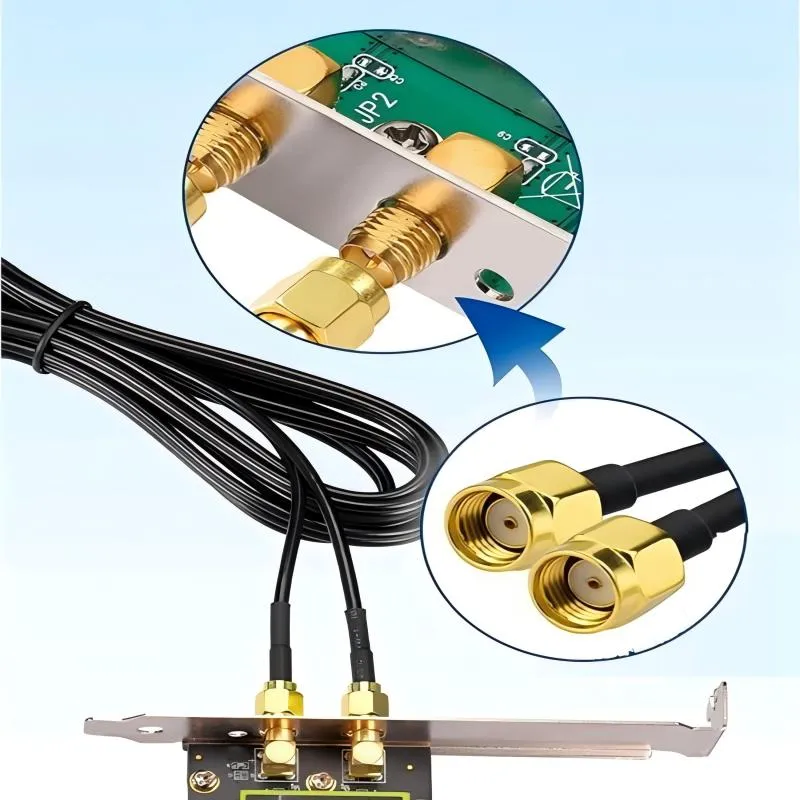
Diagram showing SMA RF cable connecting a radio module to an antenna

SMA RF Cable Guide for Modules and Test

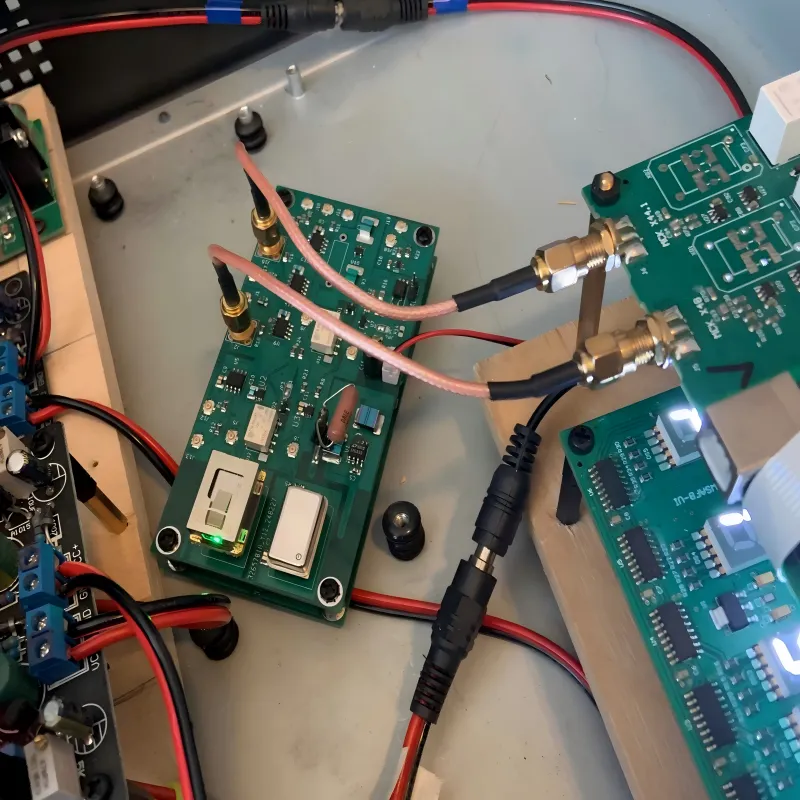
Preface In RF systems, cables are rarely questioned first. When a link underperforms, engineers tend to look at the radio, the antenna, or firmware settings. The sma rf cable sitting between them is often treated as background hardware — passive, assumed stable, and rarely documented with the same care as active components. That assumption usually holds during early bring-up. It starts to fail later, when enclosures are closed, antennas are moved, or test setups are reused by someone else.

Diagram showing SMA coaxial cable integrated into an RF signal chain

SMA Coax Cable Specs, Loss and Layout

Map sma coax cable into your RF signal chain In many RF systems, the sma coax cable shows up later than it should. The radio works. The antenna choice is locked. Early bench tests pass. At that point, the cable is added almost as an afterthought—something short, something convenient, something that “shouldn’t matter much.”

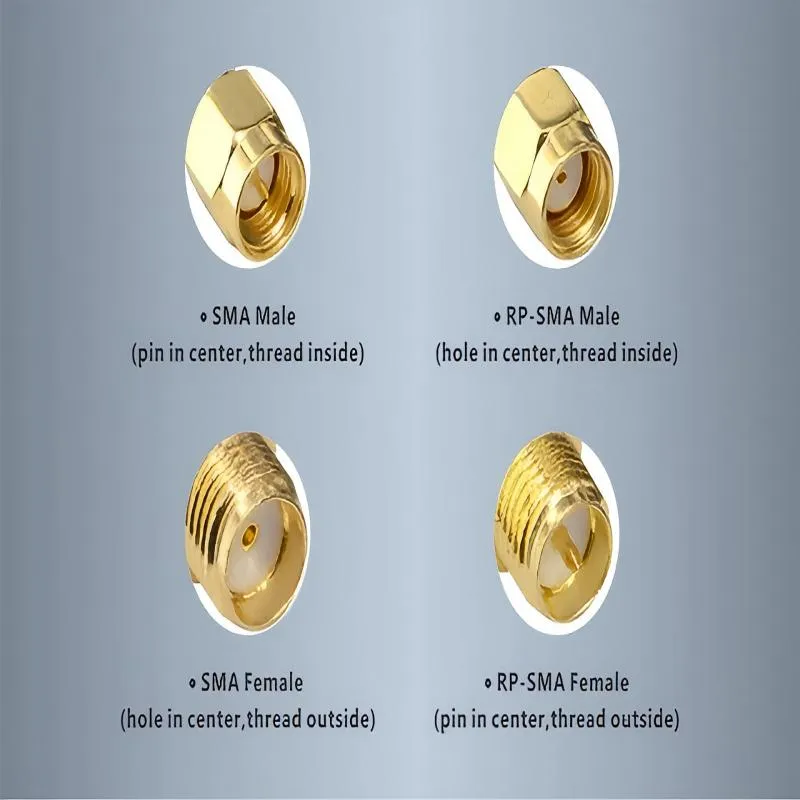
Comparison of standard SMA and reverse-polarity SMA (RP-SMA) connectors

SMA Connector Choices for Compact RF Systems

The sma connector is one of those parts that almost never gets discussed during early RF design. It’s there by default. Everyone knows what it is. Everyone has used it. Most teams assume it will behave the same way in every product, as long as the frequency stays within range.

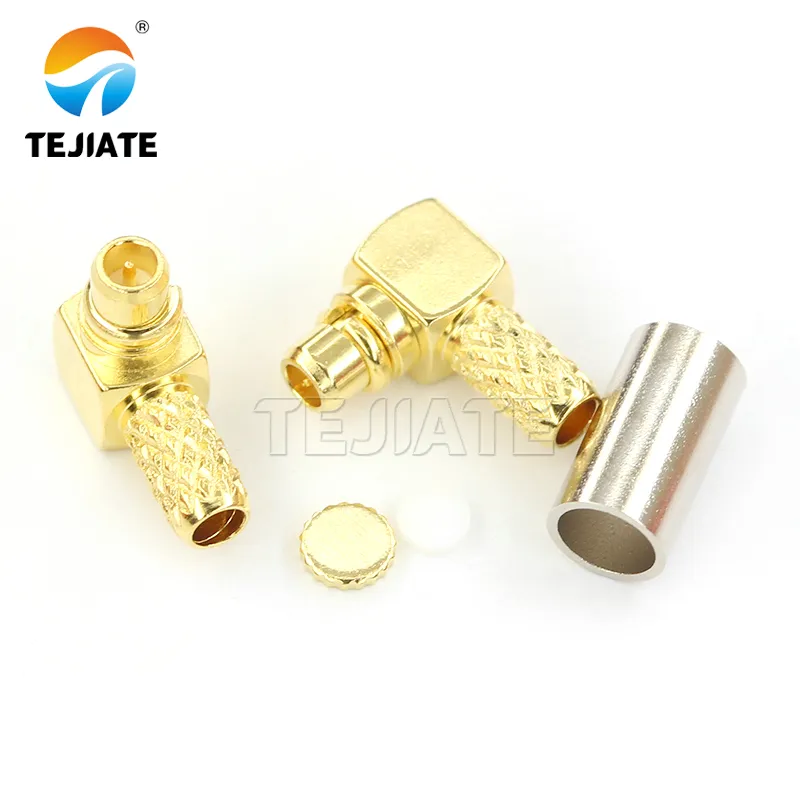
Close-up of an MMCX male connector

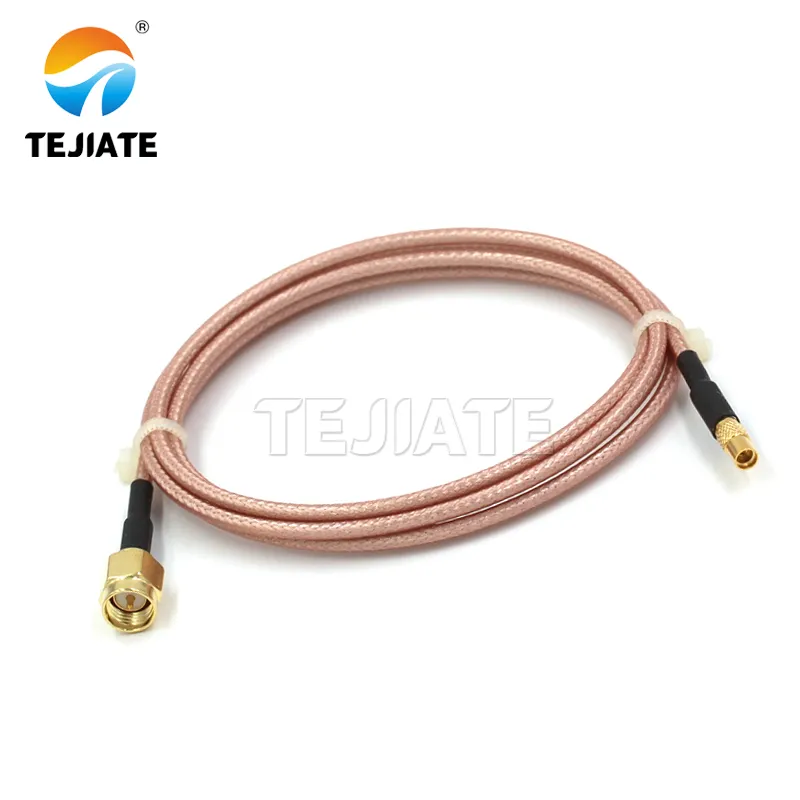
MMCX Cable Use in RF Modules, SMA Interfaces, and RG316 Links

MMCX cables usually enter a design quietly. The radio already links. The antenna choice feels settled. The enclosure outline is mostly done. Someone notices a small RF connector footprint on the module and picks an MMCX cable because it fits and looks familiar. At first, nothing seems wrong. Sensitivity meets the target. Return loss is acceptable. The system passes early checks.

Diagram showing typical RF signal path with SMA RF cable

SMA RF Cable Selection and Application Guide

In RF systems, cables almost never get blamed first. When a link underperforms, engineers tend to look at the radio, the antenna, or firmware settings. The sma rf cable sitting between them is usually treated as background hardware—something passive, assumed stable, and rarely questioned.

Overview of an SMA cable assembly in an RF system

SMA Cable Use in RF Links and Antennas

An SMA cable is one of those RF components that almost never gets the spotlight. It doesn’t amplify, filter, or radiate. It simply connects things that already “work.” And yet, across lab benches, rooftops, vehicles, and factory floors, it quietly shapes link margin, repeatability, and long-term reliability.

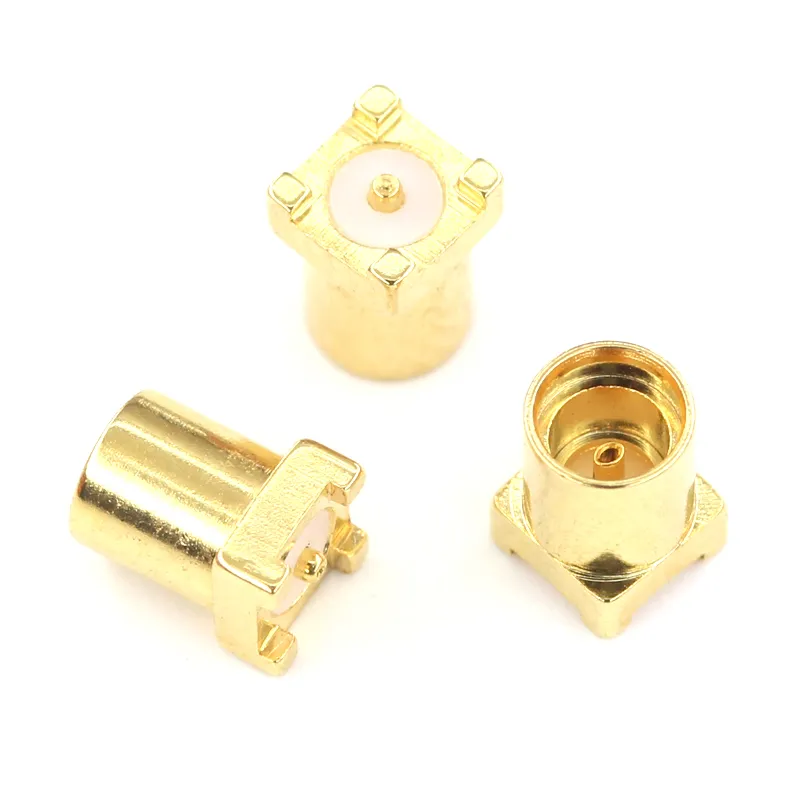
Surface-mount MMCX connector on a PCB

MMCX Connector Guide for RF Modules and Cables

In many RF projects, the MMCX connector doesn’t show up in the first design review. The RF chain is already sketched out. The antenna type is chosen. Early bring-up tests pass using lab cables and adapters that “just work.”

Overview of an RG316 coaxial cable assembly

RG316 Coax Cable Guide for RF Modules & Test

In RF hardware, cables rarely get blamed first. When a link loses margin or measurements drift, attention usually goes to active devices, antenna tuning, or layout tweaks. The coaxial cable connecting everything tends to be treated as passive background—something that either works or doesn’t.

SMA to MMCX RF cable jumpers using RG316 coaxial cable

RG316 Cable Selection and RF Design Guide

RG316 cable is rarely chosen early. By the time it appears in a design, the radio already links, the antenna port is fixed, and the enclosure outline is mostly frozen. Someone realizes a short RF connection is needed where RG58 will not bend and semi-rigid will not survive rework. RG316 gets pulled from the shelf.

Close‑up of an SMA male to SMA male coaxial cable assembly

SMA Cable Planning for RF Links and Antennas

Planning an SMA cable path is one of those RF tasks that looks trivial on paper and quietly turns painful later. The connector is familiar. The impedance is known. Early measurements usually pass. Nothing appears broken.

: Diagram mapping common application scenarios for SMA to BNC cables

SMA to BNC Cable Use and Selection Guide

Most mixed-connector RF links don’t start as a design decision. They show up later, usually when something that already works needs to talk to something older. A new RF module exposes SMA ports. The instrument on the bench still uses BNC. Nobody planned the transition; it simply appeared. That’s how an SMA to BNC cable becomes part of the signal path—quietly, and often without much scrutiny.