
SMA Adapter Cable Selection and Routing Guide for RF Systems
Feb 25,2026
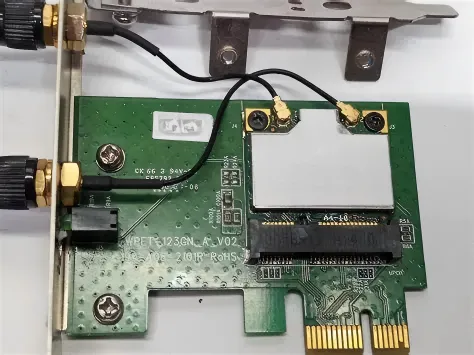
This figure illustrates a common RF system configuration where an SMA adapter cable (typically built with RG316 coaxial cable) connects a board-level RF module to a panel-mount SMA bulkhead. The cable provides mechanical decoupling, absorbing torque and vibration that would otherwise stress the module's connector.
Position SMA adapter cables in your RF signal chain
Map SMA adapter cables between radios, enclosures and antennas
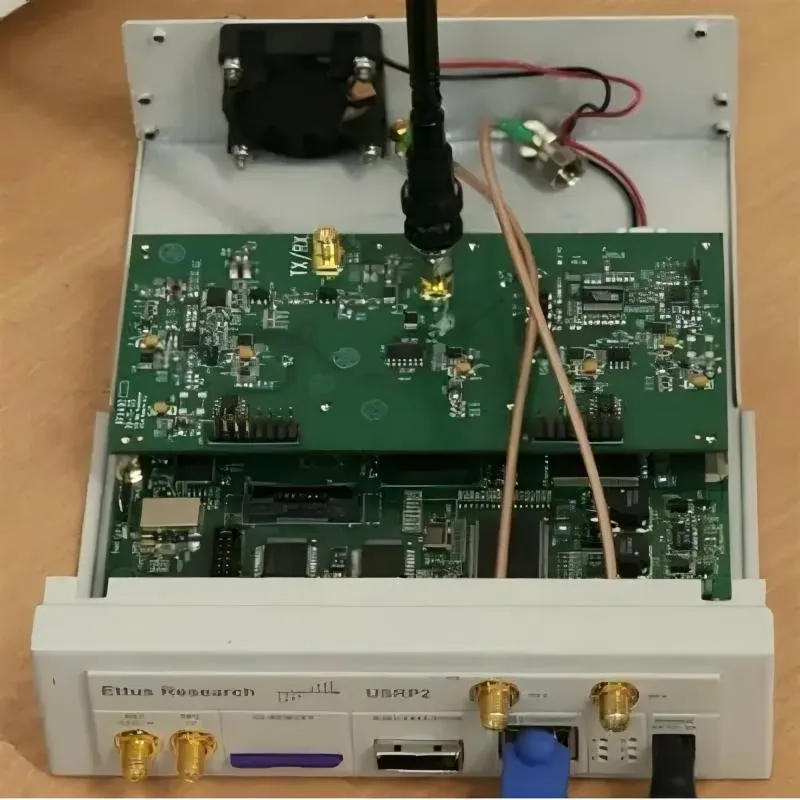
This block diagram shows the typical placement of an SMA adapter cable. The signal path goes from the RF module (often with a miniature connector like U.FL or MMCX) to the adapter cable, then to a panel-mount SMA bulkhead, and finally to an external antenna or test instrument. Each segment contributes to loss and mechanical stress, which must be accounted for in system design.
Distinguish SMA adapter cables from rigid SMA adapters and bare RF coaxial cable
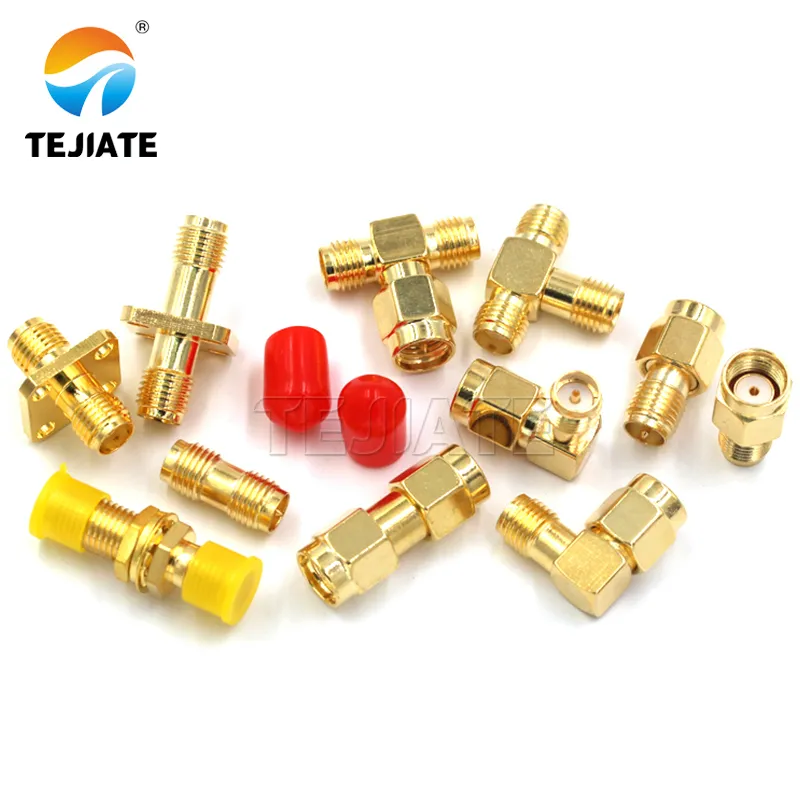
This image shows a collection of rigid SMA adapters, including straight gender changers, right-angle adapters, and possibly bulkhead feed-throughs. They are useful in space-constrained setups where flexibility is not required. However, when used in series or with heavy cables, they can concentrate stress and lead to reliability issues over time.
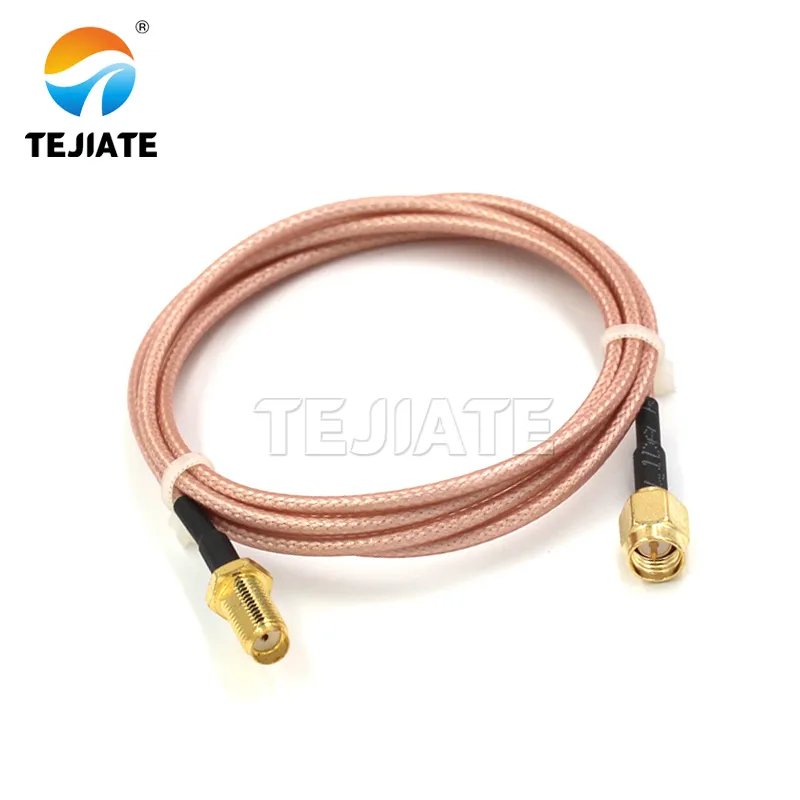
This photograph shows a typical SMA to SMA flexible cable assembly, likely built with RG316 coaxial cable. It has an SMA plug on each end and a flexible coax section in between. Such cables are used as adapter cables to connect modules to bulkheads or test equipment, providing strain relief and vibration isolation.
Relate SMA adapter cables to RG cable families and 50 ohm practice
Decide when an SMA adapter cable is the right choice
Replace direct board connections with strain-relief SMA adapter cables
Prefer SMA adapter cables over stacked metal adapters in tight layouts
Avoid overusing SMA adapter cables when a direct RF coaxial cable run is cleaner
Select cable types and impedances for SMA adapter cables
Match RG316 coaxial cable to lab and outdoor adapter cables
Keep 50 ohm coaxial cable consistent across all SMA ports
Choose micro-coax vs RG316 for compact or rugged environments
Plan length, loss and frequency limits for SMA adapter cables
Estimate attenuation for typical SMA adapter cable runs
Add connector and adapter transitions into the RF budget
Define practical length limits for Wi-Fi, LTE and GNSS use cases
Route SMA adapter cables cleanly inside enclosures
Respect bend radius and strain limits for RG316 and mini-coax
Separate SMA adapter cables from noisy, hot and moving parts
Use panel-mount SMA interfaces so cables don’t carry mechanical load
This image shows a panel-mount SMA bulkhead connector, typically secured to an enclosure wall with a nut. The SMA jack (or plug) is on the external side for antenna connection, while the internal side often has a solder cup or PCB tail for attaching a flexible cable. This design ensures that cable strain and handling forces are absorbed by the chassis rather than transmitted to the internal RF module.
Combine SMA adapter cables with mixed-connector pigtails
Bridge miniature RF ports (U.FL, MMCX, MCX, TS9) to SMA with cables
Avoid daisy-chaining multiple SMA adapter cables in one path
Plan test fixtures that share SMA adapter cables across instruments
Build an SMA adapter cable selection matrix
Define fields for a repeatable SMA adapter cable checklist
| Field | Description |
|---|---|
| Project_name | Internal project or product identifier |
| Device_role | Router, IoT node, GNSS receiver, test fixture, base station |
| Interface_type | SMA, RP-SMA, U.FL, MMCX, MCX, TS9 |
| Target_band_GHz | Primary operating frequency |
| Environment | Indoor, outdoor, automotive, industrial |
| Adapter_style | Single-ended, double-ended, mixed-port |
| Cable_type | RF0.81, RF1.13, RG178, rg316 cable |
| Cable_loss_dB_per_m | Typical loss at target band |
| Run_length_m | Planned cable length |
| Cable_loss_dB | Cable_loss_dB_per_m × Run_length_m |
| Connector_count | Total RF interfaces in path |
| Connector_loss_dB | Connector_count × 0.15 (adjust as needed) |
| Total_path_loss_dB | Cable_loss_dB + Connector_loss_dB |
| Allowed_path_loss_dB | System budget |
| Margin_dB | Allowed − Total |
| Min_bend_radius_mm | From cable spec |
| Planned_bend_radius_mm | From layout |
| Serviceability_score | 1–5 (replacement ease) |
| Cost_score | 1–5 (relative, not absolute) |
Walk through a Wi-Fi access point example using the matrix
Use the matrix as an acceptance checklist for production cables
Track SMA adapter cable demand in RF assemblies markets
Connect SMA adapter cables to RF coaxial cable assemblies growth
Highlight trends driven by 5G, IoT and automotive connectivity
Note material and design innovations in modern SMA adapter cables
Answer SMA adapter cable design and usage questions
Can one SMA adapter cable safely cover both 2.4 GHz and 5.8 GHz links?
How long can an SMA adapter cable be before loss becomes a real problem?
Should I choose RG316 or a thinner coax when building an SMA adapter cable?
Do right-angle SMA adapter cables noticeably hurt RF performance?
When is it safer to use U.FL or MMCX to SMA cables instead of rigid metal adapters?
How many SMA adapter cables and joints are acceptable in a single signal path?
Bonfon Office Building, Longgang District, Shenzhen City, Guangdong Province, China

A China-based OEM/ODM RF communications supplier
Table of Contents
Owning your OEM/ODM/Private Label for Electronic Devices andComponents is now easier than ever.