
SMA Adapter Cable Guide: RG316, 1.13, 0.81 Types & Loss
Sep 05,2025
Introduction

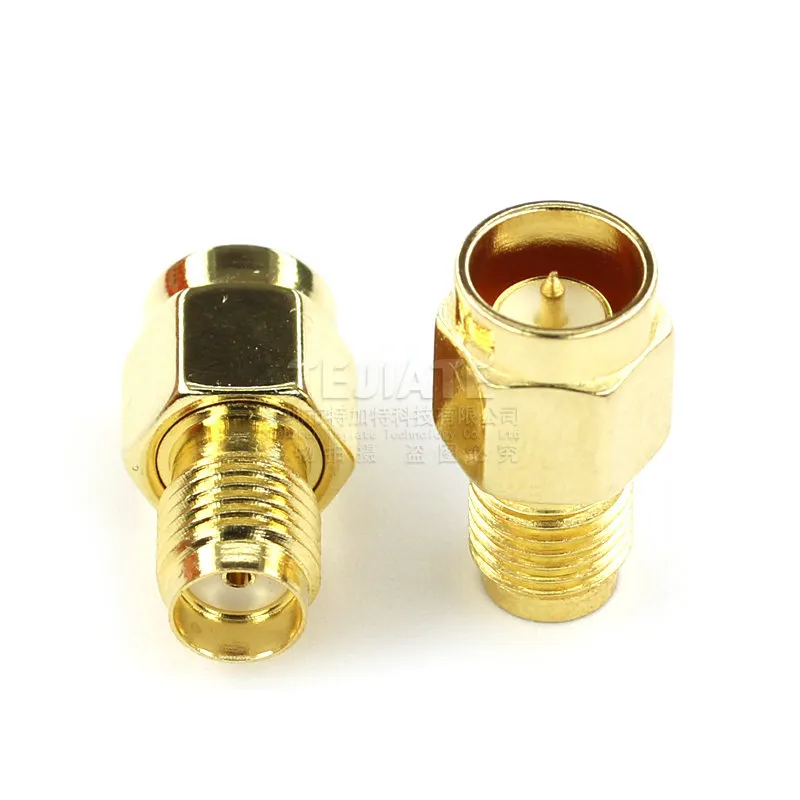
This image is a clean, detailed product photograph of standard SMA connectors. It likely features both a male SMA plug (with external threads and a visible center pin) and a female SMA jack (with internal threads and a center receptacle) side-by-side or mated. The image highlights key identification features, such as the precision threads, the hex nut for wrench tightening, and the central contact, allowing viewers to clearly distinguish between the two genders. It serves as a fundamental reference for understanding the basic building block of all SMA adapter cables and devices.
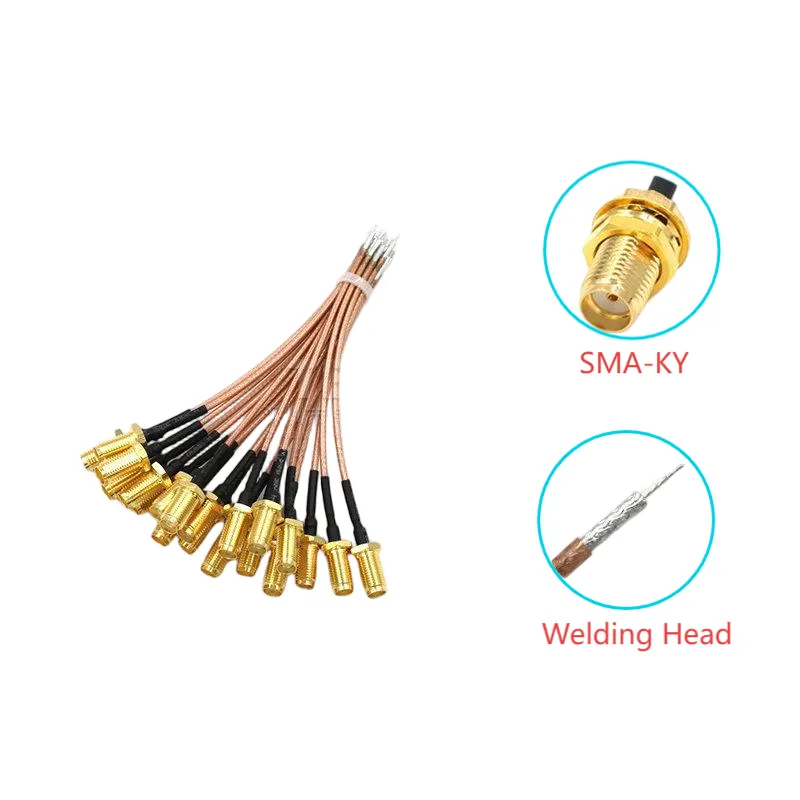
An SMA adapter cable, often called a pigtail, acts as the flexible bridge between a device’s RF port and its antenna or an external panel. Instead of stacking rigid metal adapters, a short coaxial jumper takes the stress off delicate board connectors, helps prevent loosening over time, and keeps insertion loss under control.
Picking the right pigtail isn’t guesswork—it comes down to three decisions: the cable type (RF0.81, RF1.13, RG178, or RG316), the overall length, and the connector style (straight, right-angle, or bulkhead). Get those details right, and you’ll maintain a solid 50-ohm match with lower VSWR and more consistent performance.
In practice, many engineers treat SMA pigtails as a best-practice solution. Fewer hard adapters mean fewer potential points of failure, and the difference becomes obvious once a setup faces vibration, frequent moves, or higher frequencies like 5.8 GHz. If you’ve ever seen a Wi-Fi router port snap after someone tugged the antenna, you already understand why a flexible jumper earns its place.
1) What Is an SMA Adapter Cable?

This image zooms in on the critical interface where the coaxial cable is terminated to the SMA connector. It showcases the craftsmanship of a well-assembled cable: the outer jacket is securely crimped under the connector's backshell, the metallic braid (shield) is neatly trimmed and grounded, and the central conductor is perfectly soldered or crimped onto the center contact. The image underscores the importance of high-quality termination for achieving low VSWR, minimal signal loss, and long-term mechanical reliability in an SMA adapter cable. It might compare good vs. bad examples to highlight potential failure points.
An SMA adapter cable is a short coaxial jumper with SMA connectors on one or both ends. Unlike a rigid metal SMA adapter, which simply changes gender or orientation, a pigtail offers flexibility and strain relief. That’s why you’ll find them everywhere from Wi-Fi routers and IoT modules to test benches and outdoor enclosures.
Typical use cases include:
- Extending a PCB-mounted U.FL or MMCX port to an SMA bulkhead on the chassis.
- Allowing a sharp turn in tight housings without stressing the RF pad.
- Providing vibration isolation in industrial or vehicular equipment.
In many scenarios, it’s better to use a short SMA adapter cable than stack multiple metal adapters. Each extra joint increases insertion loss and reflection risk, as confirmed by IEEE RF connector guidelines.
For readers exploring broader connector basics, you can check TEJTE’s earlier guide on what is SMA connector: male, female, jack.
2) Cable Types & Specs (0.81 / 1.13 / RG178 / RG316)
| Cable Type | Outer Diameter | Attenuation @2.4 GHz | Attenuation @5.8 GHz | Temp. Range | Bending Radius | Notes & Applications |
|---|---|---|---|---|---|---|
| RF0.81 | 0.81 mm | ≤4.7 dB/m | ≤7.8 dB/m | -20 °C ~ +85 °C | ~4 mm | Ultra-thin, ideal for drones, wearables, space-limited IoT boards. |
| RF1.13 | 1.13 mm | ≤3.27 dB/m | ≤5.17 dB/m | -20 °C ~ +85 °C | ~6 mm | Balance of thin size and lower loss; common for Wi-Fi 2.4/5 GHz pigtails. |
| RG178 | 1.8 mm | ~2.2 dB/m (2.4 GHz est.) | ~3.5 dB/m (5.8 GHz est.) | -55 °C ~ +200 °C | ~9 mm | Silver-plated, transparent jacket; good for high-temp aerospace/automotive. |
| RG316 | 2.5 mm | 1.46 dB/m | 2.15 dB/m | -55 °C ~ +150 °C | ~15 mm | Heavier but lowest loss; used in lab, telecom, and outdoor antennas. |
3) Common Assemblies & Genders
When browsing SMA adapter cable assemblies, the first filter is connector gender. The most common builds include:
- SMA male to SMA female adapter: Perfect for extending a device’s port to an enclosure wall using a bulkhead jack.
- SMA female to SMA female adapter: Often used as an inline coupler cable, joining two SMA cables without re-termination.
- SMA male to SMA male adapter: Handy for RF test setups or bridging short panel gaps.
Beyond gender, orientation matters. Straight plugs save space in-line, while right-angle SMA connectors relieve strain in compact housings. TEJTE also stocks assemblies with extended bulkhead thread lengths, ranging from 8 mm to 21 mm, to match different panel thicknesses. Outdoor versions add O-ring seals to maintain weather resistance.
Real-world applications vary. In industrial automation cabinets, engineers rely on bulkhead versions to route SMA ports cleanly through metal walls, ensuring RF connections are serviceable without reopening the enclosure. In automotive telematics, right-angle SMA pigtails reduce vibration stress and combine with O-ring seals for IP-rated protection. For laboratory test benches, SMA male-to-male assemblies are favored because they can be swapped quickly between instruments, and RG316’s durability handles frequent cycles well.
For prototype builds, engineers often use single-ended SMA pigtails: one side terminated, the other left open for custom crimping. This allows rapid testing before finalizing production. A practical tip—if you’re cutting and re-crimping repeatedly, pick RG178 or RG316 over RF1.13, since they survive more cycles without degrading.
The importance of gender coding is highlighted by the IEC 61169 RF connector standard, which specifies interface dimensions and mating cycles for RF connectors.
4) Length Choices & Loss Planning
Cable length is the second big decision. TEJTE’s stock covers the usual sizes—10 cm, 15 cm, 20 cm, 30 cm, 50 cm, and 1 m. At 2.4 GHz, a 10 cm run of RG316 loses just ~0.15 dB, while a 1 m length costs about 1.46 dB. By contrast, RF1.13 may lose more than 3 dB per meter at the same frequency.
Here’s the takeaway:
- Shorter is always better in high-frequency links.
- For Wi-Fi and 5.8 GHz links, keep RF0.81 and RF1.13 under 30 cm.
- RG316 or RG178 can stretch to 1 m while maintaining usable performance.
| Cable | Loss @10 cm (2.4 GHz) | Loss @1 m (2.4 GHz) | Loss @1 m (5.8 GHz) |
|---|---|---|---|
| RF0.81 | ~0.31 dB | 3.1 dB | 7.8 dB |
| RF1.13 | ~0.33 dB | 3.27 dB | 5.17 dB |
| RG178 | ~0.22 dB | 2.2 dB | 3.5 dB |
| RG316 | ~0.15 dB | 1.46 dB | 2.15 dB |
Numbers alone can be abstract, so here’s a simple perspective: a 3 dB loss roughly halves your signal strength, while a 1.5 dB loss means you’re losing only about 25%. That’s why a 1 m run of RG316 is often acceptable, but a 1 m run of RF1.13 may severely weaken a 5.8 GHz link.
Many engineers debate “short jumper + panel mount” versus “long direct cable.” In practice, using a bulkhead-mounted SMA adapter cable to exit the chassis often improves reliability, since it avoids pulling directly on fragile board connectors. If you’ve ever cracked a PCB pad by tugging a U.FL, you’ll know why strain relief matters. The FCC’s RF equipment guidelines also emphasize strain management in antenna installations, especially for Wi-Fi and LTE modules.
5) Panel-Mount Options (Bulkhead / Flange)

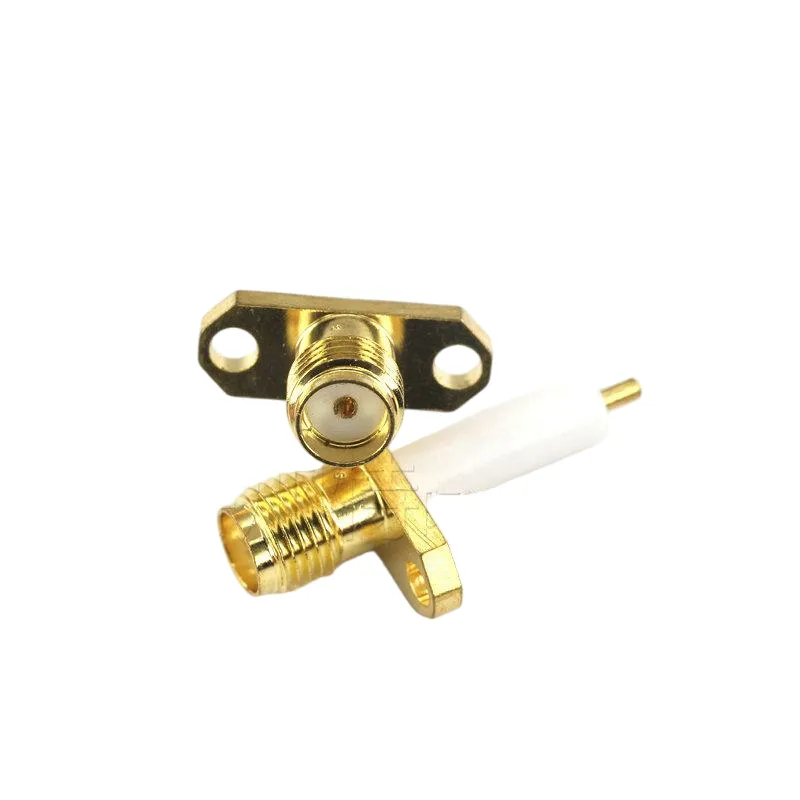
This image focuses on a specific type of flange mount: the 2-hole diamond flange. Unlike the larger, more heavy-duty 4-hole square flange, this variant is characterized by its compact, asymmetrical diamond-shaped base with two screw holes. This design is specifically engineered for applications where panel space is extremely limited, such as inside compact IoT gateways, handheld devices, or densely packed PCBs. While it may not handle as much torque as a 4-hole flange, it provides a much more secure and stable mounting solution than a simple bulkhead nut, especially on thinner or more flexible panels, making it a crucial component for miniaturized electronics.
Panel mounting is where SMA adapter cables really show their value. A bulkhead SMA connector passes through the device wall, held by a nut and washer. Thread lengths vary—TEJTE supplies 8 mm, 11 mm, 17 mm, 21 mm, and even 33 mm to cover thin plastic housings up to thick aluminum panels. Choosing the right thread length means accounting for panel thickness plus O-ring compression.
For higher durability, flange-mount SMA connectors offer two- or four-hole plates. These spread the torque load, making them ideal for telecom cabinets or outdoor IoT gateways where frequent reconnects are expected. A 4-hole flange with proper gasket sealing can maintain IP65+ protection if installed correctly.
Practical note: always check your mechanical drawing. A panel cutout that’s 0.5 mm off-center can cause misalignment, leading to poor mating or damaged threads. For a detailed discussion on SMA mechanical standards, IEEE’s microwave theory group provides open technical resources.
For engineers new to enclosure design, TEJTE’s SMA bulkhead and panel-mount guide offers step-by-step advice on matching thread length to housing materials.
6) Popular Conversions with Cables
SMA pigtails are not always SMA-to-SMA. Many devices use miniature RF connectors, and jumper cables bridge them to standard SMA or RP-SMA.

This image focuses on one of the most popular conversions: U.FL (or IPEX) to SMA. It clearly shows the dramatic size difference between the tiny, fragile U.FL connector (designed to snap onto PCB pads) and the much larger, rugged SMA connector. This type of cable is ubiquitous in devices with embedded wireless modules (Wi-Fi, Bluetooth, LTE). The image underscores the primary use case: safely extending a signal from a delicate, board-level connector to a more durable and accessible interface without putting stress on the PCB solder joints.
- U.FL / IPEX → SMA: The most widespread, used on Wi-Fi cards and LTE modems. Thin RF0.81 and RF1.13 cables dominate here because they fit tight enclosures. See TEJTE’s dedicated U.FL to SMA adapter cable guide for details.

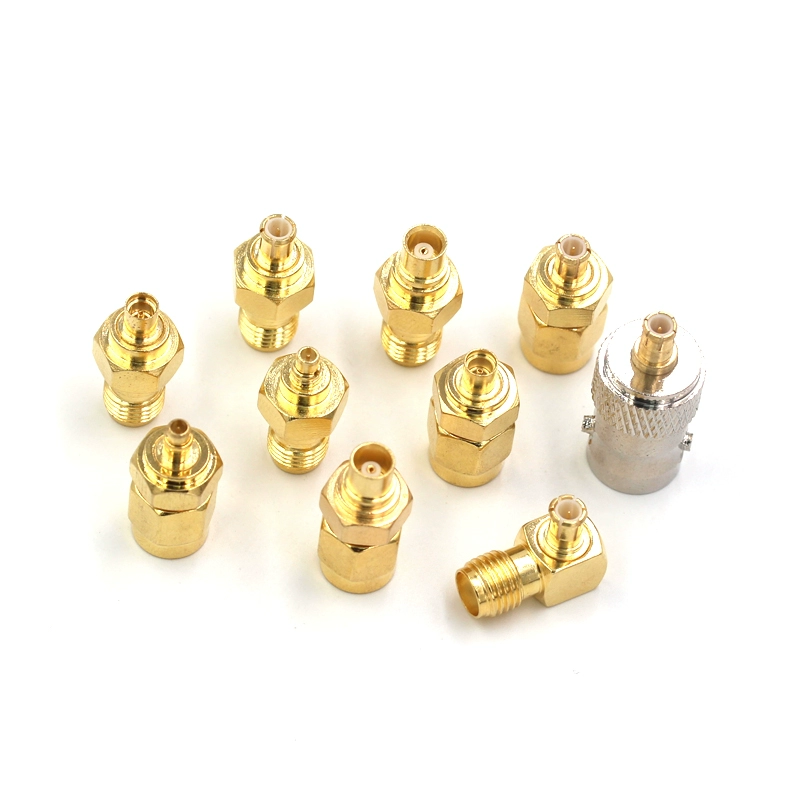
This image showcases another common conversion cable: MCX (or MMCX) to SMA. The MCX connector is characterized by its small size and push-on/pull-off mating mechanism (snap-on), which is different from the threaded coupling of SMA. These cables are often used in applications like GPS receivers, cameras, and other compact devices where space is limited but a more secure connection than U.FL is desired. The image helps users identify this connector type and understand its use case for interfacing with standard SMA equipment.
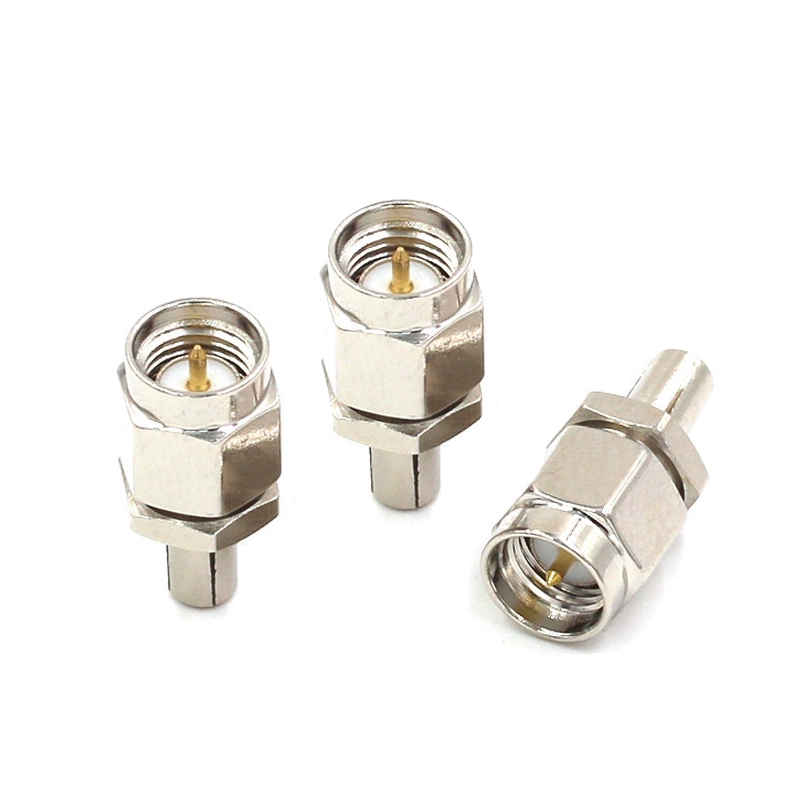
This image highlights an adapter cable specifically designed for devices using the TS9 connector, which is frequently found on 4G/LTE USB modems (dongles) and some cellular routers. The TS9 connector is another miniature type. Using a short, sturdy cable (like RG316 mentioned in the document) to adapt from TS9 to SMA allows for connecting standard external antennas, which can significantly improve signal strength and reliability compared to the small internal antennas typically used in such devices. The image addresses a specific niche application within the broader topic of SMA adapter cables.

- TS9 → SMA: Found on 3G/4G USB dongles and routers. A short RG316 jumper gives sturdiness when the router’s plastic housing isn’t strong enough for a direct adapter.
Each interface comes with caveats: U.FL’s mating cycle is only ~30 insertions, so it’s safer to leave it untouched on the PCB and extend outward with a pigtail. Standards like IEC 61169 reinforce this by classifying connector durability grades.
7) RF Considerations: Impedance, VSWR & Keep Fewer Joints
Every SMA adapter cable is designed for a 50 Ω impedance system. That’s the standard in most RF designs, from Wi-Fi to LTE. Problems usually appear when a 75 Ω segment sneaks into the chain. Even one mismatch can push the VSWR above 1.5, raising reflections and wasting transmit power as heat.
The simple rule is: keep everything matched. SMA coax adapter cables should always pair with other 50 Ω components. Mixing systems might seem harmless if the link “still works,” but over time it can cause degraded throughput or higher error rates. Engineers in the field often joke that a mysterious 2 dB drop usually hides a mismatched connector somewhere.
Another best practice is to minimize joints. Every extra adapter, no matter how well-made, adds ~0.1–0.2 dB loss plus another reflection point. A single extra joint may not kill performance, but stack three or four and your signal budget shrinks fast. If you’ve ever debugged a stubborn high-SWR setup, you probably learned to start by pulling out unnecessary adapters before swapping radios or antennas.
When possible, replace a daisy-chain of metal adapters with one short SMA adapter cable. Not only does this lower loss, but it also improves mechanical reliability—fewer heavy metal blocks tugging on delicate ports. The FCC Part 15 regulations on RF devices also emphasize emission control, which becomes much harder when reflections rise due to poor impedance management.
For a deeper dive into how connector families behave at different impedances and frequencies, TEJTE’s blog on SMA vs BNC vs N-Type expands the comparison with practical examples.
8) Buying Checklist
With so many variations, choosing the right SMA adapter cable can feel overwhelming. A structured checklist makes it easier:
- Interface & gender – SMA or RP-SMA, male or female?
- Cable type – RF0.81 for ultra-thin, RF1.13 for balance, RG178 for high-temp, RG316 for low loss.
- Length – 10–30 cm for Wi-Fi modules; up to 1 m if using RG178/316.
- Orientation – Straight or right-angle depending on enclosure clearance.
- Panel-mount options – Bulkhead thread length (8–33 mm) or flange mount.
- Sealing – O-ring if outdoor use is expected.
- Quantity – Single units for prototyping, bundled sets for production runs.
TEJTE lists these options clearly in its RF adapter cable product section. For design validation, the IEEE Microwave Theory and Techniques Society also provides open-access resources on connector performance.
9) FAQs
What is an SMA adapter cable / pigtail?
It’s a short coaxial jumper cable with SMA connectors on one or both ends, designed to connect modules to antennas or panels. Unlike a metal adapter, it provides flexibility and reduces mechanical stress. See TEJTE’s RF coaxial cable guide for a broader introduction.
Is 1.13 mm cable enough for 5.8 GHz, or should I switch to RG178/RG316?
RF1.13 works for compact Wi-Fi and IoT builds, but attenuation climbs above 5 dB/m at 5.8 GHz. For anything beyond 30 cm, RG178 or RG316 is safer, since their loss is significantly lower. As IEEE 802.11 standards underline, keeping high-frequency losses under control is critical for Wi-Fi reliability.
Do SMA and RP-SMA adapters affect signal?
Yes. While an SMA to RP-SMA adapter can bridge mismatched connectors, it adds an extra joint, raising insertion loss and reflection risk. Whenever possible, order a dedicated pigtail—TEJTE provides SMA to RP-SMA adapter cables in ready-made form.
How do I choose bulkhead thread length to match panel thickness?
Measure the wall thickness first, then add ~2 mm for nut and washer plus 0.5–1 mm for O-ring compression. TEJTE’s bulkhead SMA cables come in multiple thread options, from 8 mm to 33 mm. For a walk-through, check the SMA connector selection guide.
Can I use “cable + adapter” instead of a long direct cable?
Sometimes, yes. For example, a short RG316 jumper with a bulkhead feed-through is often sturdier than running a 1.5 m RF1.13 directly. But avoid chaining multiple adapters; IEC 61196 coaxial standards highlight how each joint raises VSWR.
Can I customize SMA adapter cables for unusual lengths or materials?
Absolutely. Many projects need something beyond “standard 20 cm RG316.” TEJTE offers customization on cable length, bulkhead thread size, jacket material, and connector orientation. That means you can order a 25 cm RF1.13 with a long-thread waterproof bulkhead, or a 60 cm RG178 with a right-angle SMA. Engineers often choose this route for automotive, aerospace, and outdoor IoT builds where off-the-shelf lengths don’t fit. A small design tweak here often saves headaches later in the field.
Conclusion
The right SMA adapter cable balances electrical performance with mechanical reliability. Start by defining the interface—SMA or RP-SMA, male or female—then pick the appropriate cable type:
- RF0.81 / RF1.13 when space is tight,
- RG178 for high-temperature resilience,
- RG316 for lowest loss and outdoor durability.
Next, match length to frequency: keep thin cables under 30 cm at 5.8 GHz, while RG316 can stretch to 1 m with minimal penalty. If your design requires enclosure feed-through, select the correct bulkhead or flange-mount SMA cable and consider O-ring sealing.
The overall rule is simple: fewer joints, consistent 50 Ω impedance, and cables that fit both the electrical and mechanical environment. By following these steps, you’ll not only optimize performance but also extend the life of your RF system. For further reading on connector and coaxial standards, the NIST time and frequency division offers publicly accessible measurement resources.
For engineers planning new builds, TEJTE’s RF adapter cable catalog and related blog library provide practical data, examples, and ready-to-ship solutions—all with customization options to suit your project.
Bonfon Office Building, Longgang District, Shenzhen City, Guangdong Province, China
A China-based OEM/ODM RF communications supplier
Table of Contents
Owning your OEM/ODM/Private Label for Electronic Devices andComponents is now easier than ever.
