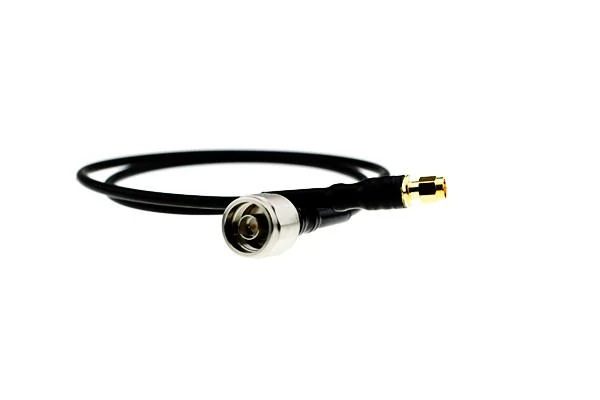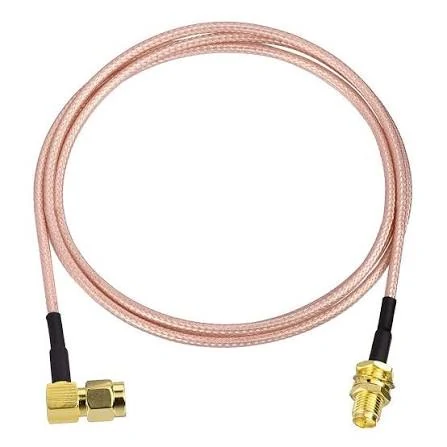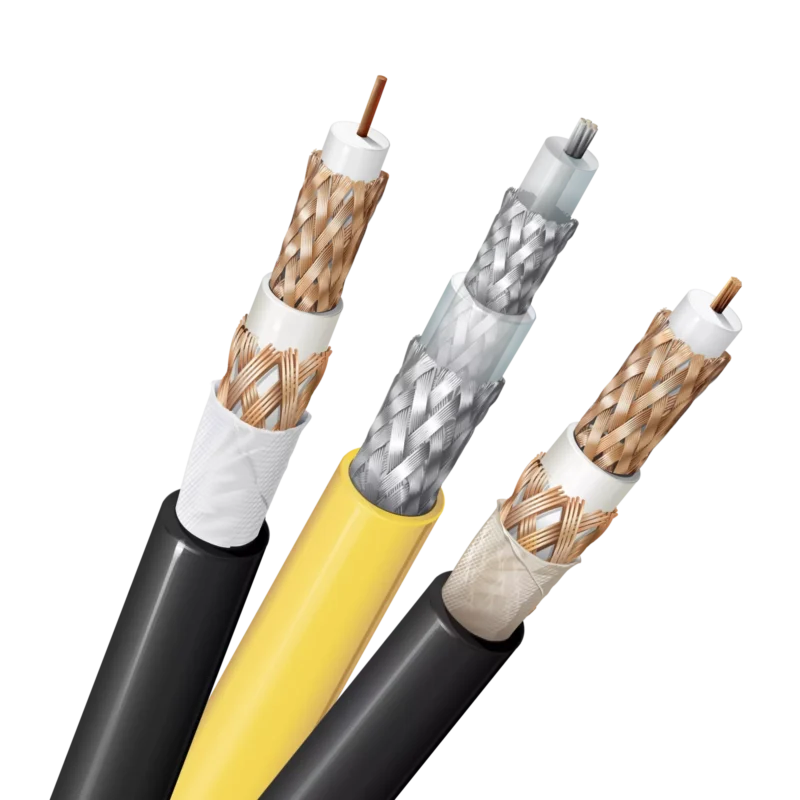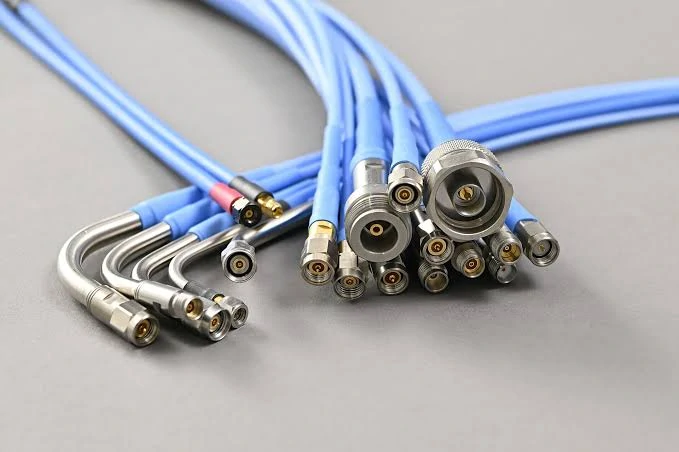
SMA Coaxial Cable Structure & Selection
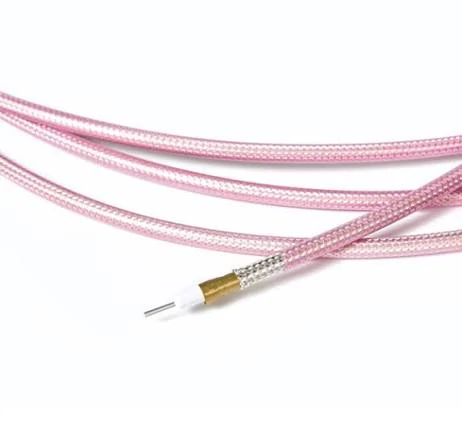
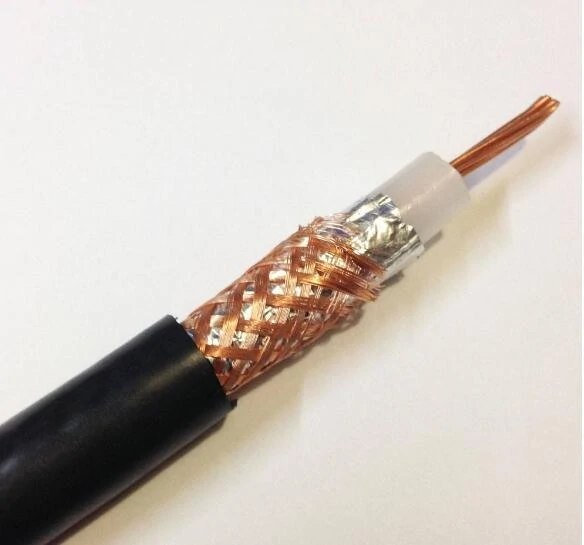
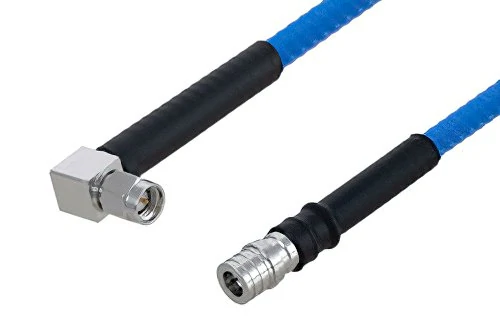
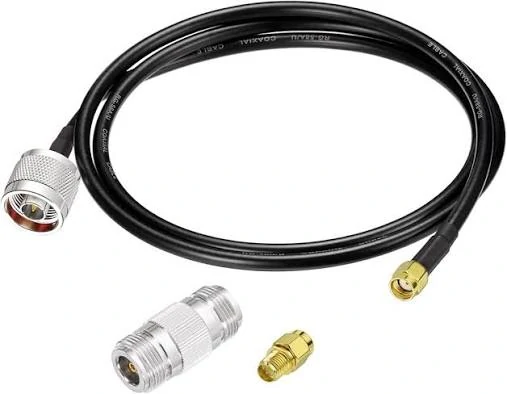
In RF hardware, the sma coaxial cable almost never feels like a design driver. It shows up late, often after the radio already works, the antenna has been selected, and the enclosure layout feels “mostly done.” That timing is exactly why it causes problems. On paper, the cable looks passive. In practice, it sits at a mechanical and electrical boundary where small compromises quietly eat into margin. Engineers usually notice only when performance drifts, measurements become sensitive to touch, or a system that passed early validation starts behaving differently in the field. This guide focuses on how sma coaxial cable actually behaves inside real RF links, how to read its structure correctly from datasheets, and how to turn cable selection into a repeatable workflow instead of a last-minute fix.