We share everything about Electronic Components OEM, ODM, or private label solutions...

We continuously share and publish original articles about electronic components and OEM/ODM/private label solutions. We hope these articles provide you with valuable insights to support your private label electronic components business.

If you don’t want to miss our article, please subscribe to our newsletter. 

HDMI signal transmission:How to pick an HDMI

RF modulator and RF cable Snow on hotel TVs? 4K freezing in classrooms? Check your coaxial cables first. Modulators rarely fail—but inadequate cables frequently cause these symptoms. It’s like the “blood vessels” of signal transmission; once it “clogs,” no matter how strong the heart (RF modulator) is, the system will crash.

RF Devices: From Definition to Application

RF parts are currently used to run important parts of global communications and IoT deployments. These systems make it possible to convey data without touching it by modulating radio waves very precisely. This is a feature that is constantly being verified by new RF technologies. Industry use shows real operational benefits:

What is radio frequency(RF)?

1. What is the definition of radio frequency(RF)
Radio frequency (RF)is the abbreviation of Radio Frequency, which means the electromagnetic frequency that can be radiated into space, with a frequency range from 300kHz to 300GHz. Radio frequency is radio frequency current, abbreviated as RF,

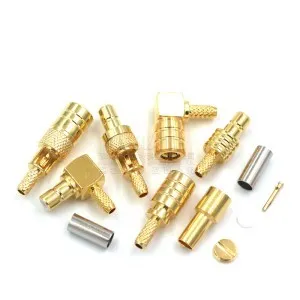
SMA Connectors: Definitions & Common Types at a Glance​

1. What is an SMA connector Fundamental Definitions The semi-precision RF coaxial connector SMA is acronym “Subminiature version A”. Designed by Bendix Corporation in 1960 as a micro-connector interface for coaxial cables with helical coupling mechanisms, the “A” reflects its miniaturized form.

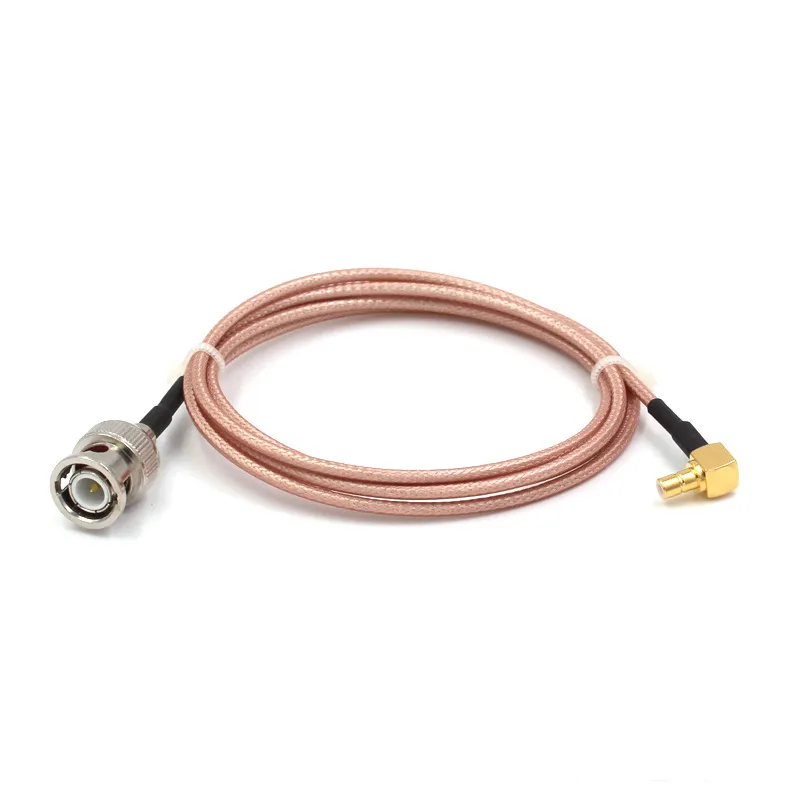
What is coaxial cable and BNC connector?

1. Coaxial cable Coaxial cable (also known as coax) is used to pass radio frequency (RF) signals in the form of a transverse electromagnetic wave. Coax can transmit signals over larger distances at a higher speed as compared to twisted pair cables. The design of coaxial cable consists of an inner conductor surrounded by a dielectric layer, which is then enclosed in a cylindrical sandwich that contains additional layers of shielding as well as an outer protective jacket to prevent damage to the signal carrying components during installation or from environmental