We share everything about Electronic Components OEM, ODM, or private label solutions...

We continuously share and publish original articles about electronic components and OEM/ODM/private label solutions. We hope these articles provide you with valuable insights to support your private label electronic components business.

If you don’t want to miss our article, please subscribe to our newsletter. 

Customized SMA connectors and cables for specific RF applications

What is an SMA Connector? Male vs Female, Jack & Uses

Introduction Ever tightened an antenna onto your WiFi router? Or maybe plugged a GPS module into a dev board? Chances are, you’ve handled an SMA connector without even realizing it. They look simple—just a small threaded plug and socket—but beneath that plain appearance lies careful engineering that keeps high-frequency signals clean, often well beyond 10 GHz. The name itself tells the story. SMA stands for SubMiniature version A, a reference to its compact size and screw-on interface. Born in the 1960s, this little connector quickly won over RF engineers because it was tough, accurate, and dependable. Fast forward to today, and you’ll spot SMA everywhere: on consumer WiFi gear, GPS antennas, cellular base stations, aerospace modules—even in military radios.


Miniature RF Cables for IoT and GPS

RG Cable Explained: RG58, RG6, RG142, RG213, RG316 and More

Introduction If you’ve ever set up a TV, tuned a ham radio, or wired a satellite dish, chances are you’ve used an RG cable without giving it much thought. On the surface, these cables look like ordinary wires. In reality, they’re the backbone that keeps video signals sharp, radio calls clear, and data flowing reliably across systems. The term RG, short for Radio Guide, dates back to U.S. military standards in the 1940s. What started as a simple classification system has since become the everyday language of coaxial cabling. Today, when someone mentions an RG58 coaxial cable or an RG6 coaxial cable, they’re talking about specific designs with defined sizes, shielding, and electrical properties.

Television connected with an F-type coaxial connector

TV Coaxial Cable Connectors Guide: PAL, F-Type, BNC & SMA Compared

Introduction Hooking up a TV, wiring CCTV, or setting up a home theater all share one thing: none of it works without a solid coaxial cable. Most people don’t think twice about it—until the picture turns snowy or the feed drops mid-show. Yes, HDMI is the star of modern setups, and fiber is slowly working its way into living rooms. But the reality is, millions still rely on TV coaxial cable connectors every single day. They’re the silent heroes keeping your picture clear and your signal steady.

Coaxial cable introduction in TV, internet, and RF test systems

Coaxial Cable Ultimate Guide: Types, Uses, Adapters & Tips

Introduction Every setup—whether it’s a home theater, internet network, or RF test bench—relies on the right cable. Use the wrong one, and you’ll likely deal with grainy TV images, unstable Wi-Fi, or sound that cuts in and out. That’s why the coaxial cable has remained a backbone of communication systems for decades.Unlike ordinary wires, coaxial cables are engineered to carry high-frequency signals with minimal loss and strong resistance to interference. From TV antennas and satellite receivers to digital coaxial speaker cable connections and specialized RF equipment, coax keeps signals clear and stable.

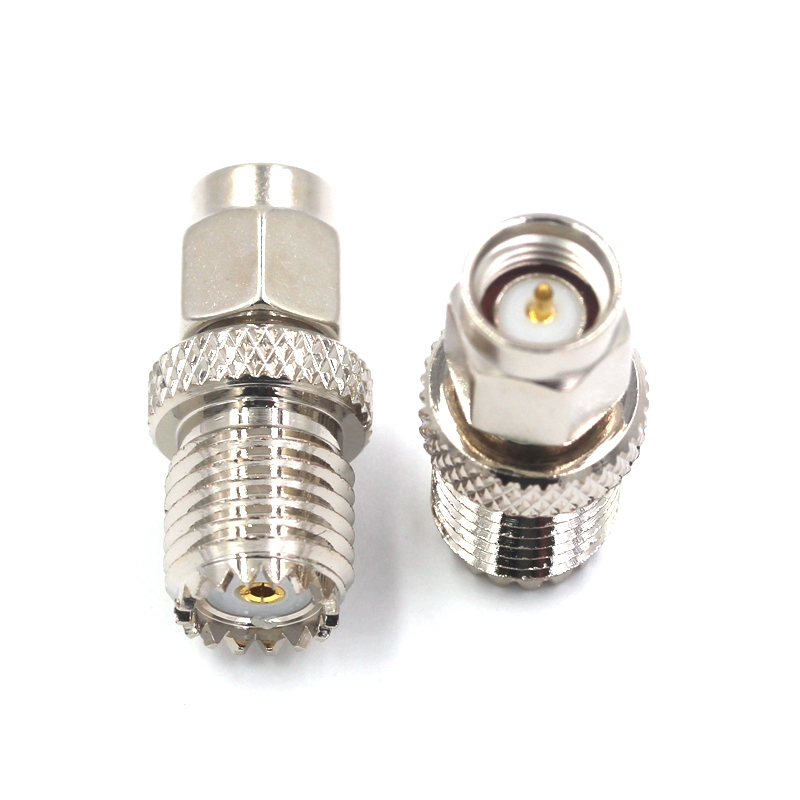
SMA connector for handheld radios and Wi-Fi gear

Cable Coaxial CB & Ham Radio Guide: Best CB Coax Cable

Introduction For CB radio or ham radio, the choice of coaxial cable isn’t just a technical detail—it’s the lifeline of your signal. You can invest in a powerful transceiver or a perfectly tuned antenna, but if the CB radio coax cable is poor quality, your station will suffer from noise, high loss, or mismatched impedance. That’s why seasoned operators often say: a radio setup is only as good as its coax. In this guide, we’ll walk through the essentials of cable coaxial CB and coaxial cable for ham radio users. You’ll see clear comparisons such as RG58 vs RG8X, find out why many operators consider RG8X the best CB coax cable, and learn when it’s acceptable to use 75-ohm coax instead of 50-ohm.

RG58 coaxial cable used for short-run RF connections

Best Coaxial Cables 2025: RG & LMR Selection Guide

Introduction Choosing the right coaxial cable isn’t about memorizing every spec—it’s about matching your system to the right RG or LMR family with minimal friction. This guide gives you fast, practical answers: quick picks by scenario, skim-friendly tables (loss, size, bend radius), and clear head-to-head comparisons like RG8X vs RG58, RG6 vs RG11, and LMR-400 vs RG8/RG213. We follow a simple framework—impedance, loss vs. length, and flexibility/environment—so you can decide in minutes, not hours. You’ll also find focused sections on micro-coax (RG316/RG174/RG178) and semi-rigid lines (RG402/RG405) for device internals and precision fixtures.

Overview chart of RF connectors—SMA, N, FME, F, BNC, UHF, RP-SMA, and TNC—with impedance, frequency limits, coupling, and typical applications

Mastering Coaxial Cable Connectors: Termination Styles & Pro Tips

Introduction Signal issues aren’t always about the cable. More often, the real weak point is the Coaxial cable connector or its termination. A high-quality RF coaxial cable can still fail if the SMA, BNC, N-type, or F-type ends are mismatched, poorly crimped, or wrong impedance. In this guide, we focus on RF coaxial connectors and terminations — how 50 Ω vs 75 Ω choices affect performance, which coupling style suits each job, and when frequency limits matter. You’ll also get practical tips on crimp, solder, and compression methods, strip lengths, torque, sealing, and quick field tests to spot faults early.

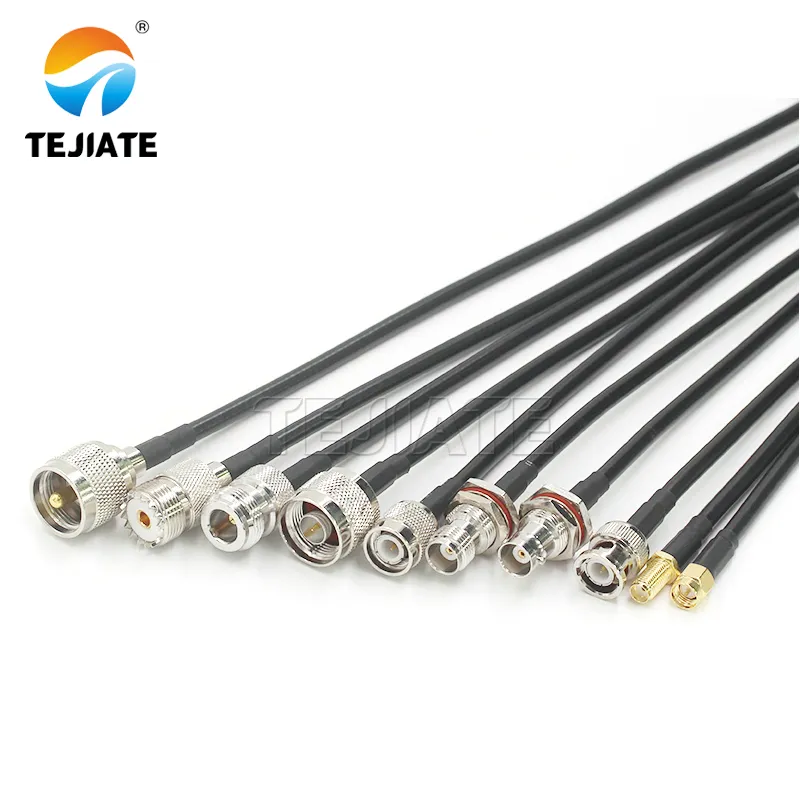
RF coaxial cable with pre-installed connectors for signal transmission

RF Cable Guide: Types, Uses, and How to Choose the Right One

RF Cables Explained: A Quick OverviewEver glance at the thick cable behind your TV and wonder what’s inside? There’s a good chance it’s an RF cable—short for Radio Frequency cable. These coaxial lines don’t get much attention, yet they’re quietly moving high-frequency signals between devices all day long.

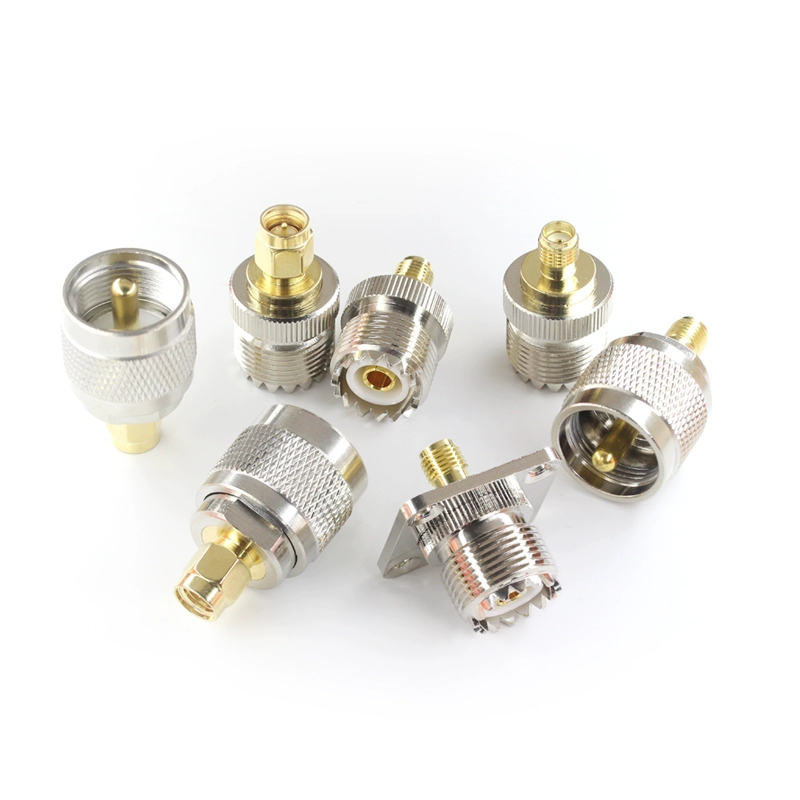
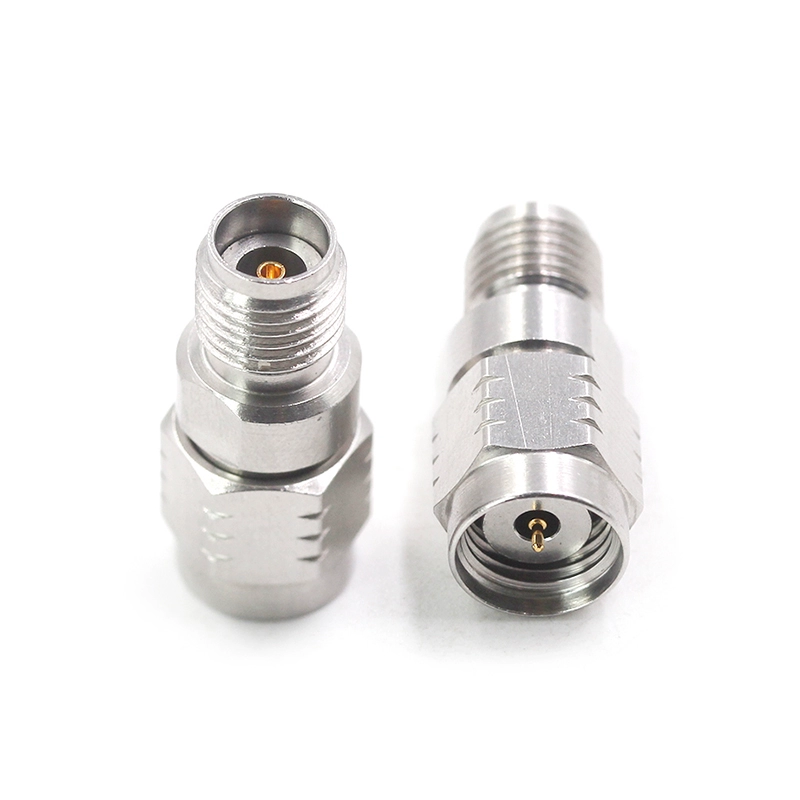
Professional precision coaxial connectors for high-frequency systems

RF Adapter Guide for B2B: Precision Connectors up to 110 GHz

Introduction When most people hear “adapter,” they picture something small and familiar — maybe an RCA audio plug, an HDMI lead, or the coax jack behind a TV. Those consumer AV adapters are built for convenience, carrying audio or baseband video in the kilohertz to low-megahertz range.

E-Band integration in mmWave 5G network backbone for small cell backhaul

E-Band (71–86 GHz) Guide: mmWave for 5G Backhaul

In the world of high-speed wireless communication, E-band has carved out a unique niche. Spanning 71–76 GHz and 81–86 GHz, it sits in the millimeter-wave (mmWave) range — where wavelengths are just a few millimeters long and signals behave almost like beams of light.What makes E-band so compelling is its ability to deliver fiber-grade speeds without laying a single strand of fiber. With 10 GHz of spectrum available in two wide blocks, it’s capable of moving massive amounts of data — ideal for 5G backhaul, dense urban broadband, or quickly linking buildings that fiber can’t easily reach.

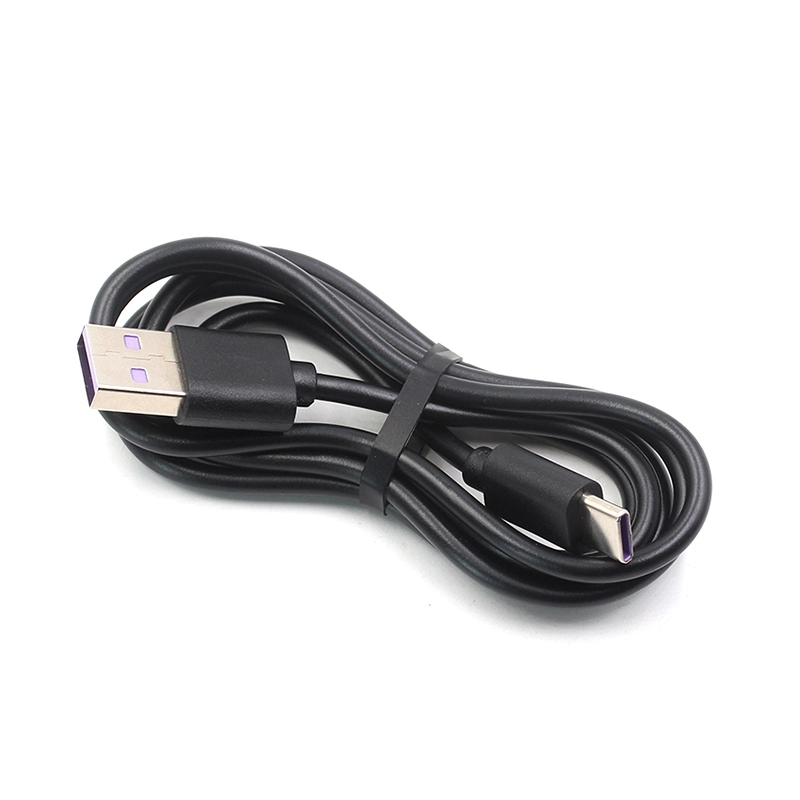
USB cable product display showing various connector types and cable lengths

Cable Types Guide: RF Coaxial, USB & Jumper Cables

Every day, whether you notice or not, cables are quietly at work — keeping the lights on, your phone charged, and your internet streaming smoothly. They snake behind desks, hide inside walls, and stretch between buildings. Yet most of us don’t give them a second thought until something stops working.

V-Band hardware including connectors, waveguides, and antennas

V-Band (40–75 GHz) Guide: 60 GHz mmWave WiGig & Backhaul

Think of V-Band (40–75 GHz) as the express lane of the millimeter-wave spectrum — ultra-wide, lightning-fast, but only for those close enough to the action. Covering frequencies from 40 GHz to 75 GHz, with the famous 60 GHz WiGig right in the middle, this band delivers fiber-like wireless speeds for applications like short-range backhaul, high-capacity links, and precision RF testing with 1.85 mm V connectors and WR-15 waveguides.In this guide, we’ll break down V-Band’s advantages, limitations, and key use cases, and compare it with E-Band and other mmWave ranges. You’ll also get a closer look at the hardware — from compact high-gain