We share everything about Electronic Components OEM, ODM, or private label solutions...

We continuously share and publish original articles about electronic components and OEM/ODM/private label solutions. We hope these articles provide you with valuable insights to support your private label electronic components business.

If you don’t want to miss our article, please subscribe to our newsletter. 

Side-by-side comparison of common SMA connector types: SMP-K (Snap-on), SMA-J (Jack), SMA-KY (Bulkhead), SMA-KF (Flange)

SMA Extension Cable Guide: Types, Length & Waterproof Options

1) Introduction Have you ever tucked a router into a cabinet, only to realize the antenna is in the worst possible spot? Or perhaps tried running GPS in a car, only to notice the reception dip due to all the metal? The easiest fix isn’t swapping out the antenna or redesigning your entire setup—it’s as simple as adding an SMA extension cable. These coaxial extensions, available in both SMA and RP-SMA versions, let you move antennas to positions that enhance reception. In practice, this small adjustment can determine whether your Wi-Fi stays strong or your FPV feed drops mid-flight.
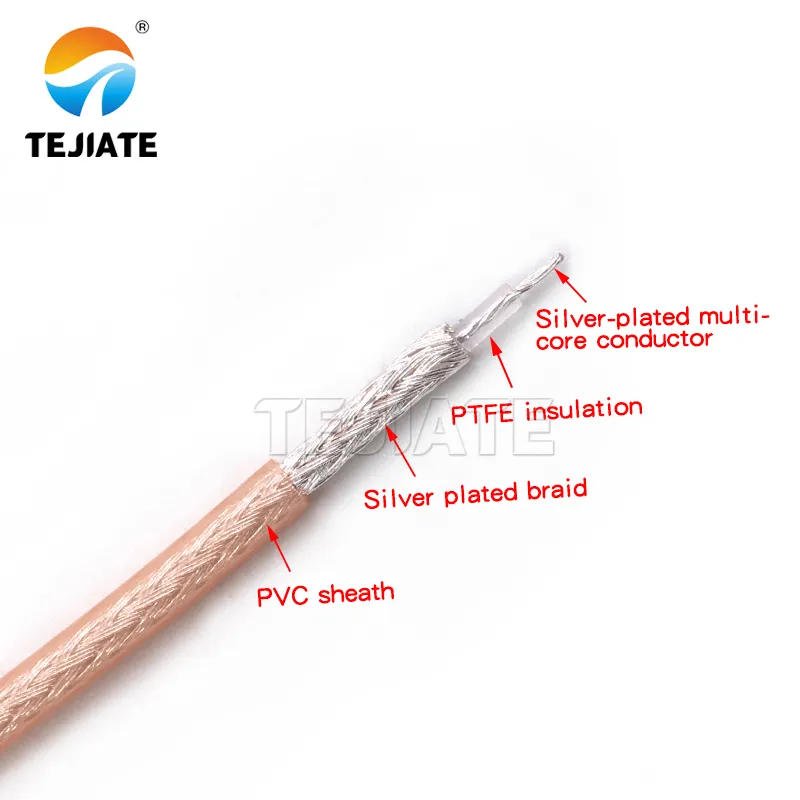
Close-up view of an SMA connector crimped onto a coaxial cable (like RG316 or RG178), showing the cable jacket, braid, and center conductor termination

SMA Adapter Cable Guide: RG316, 1.13, 0.81 Types & Loss

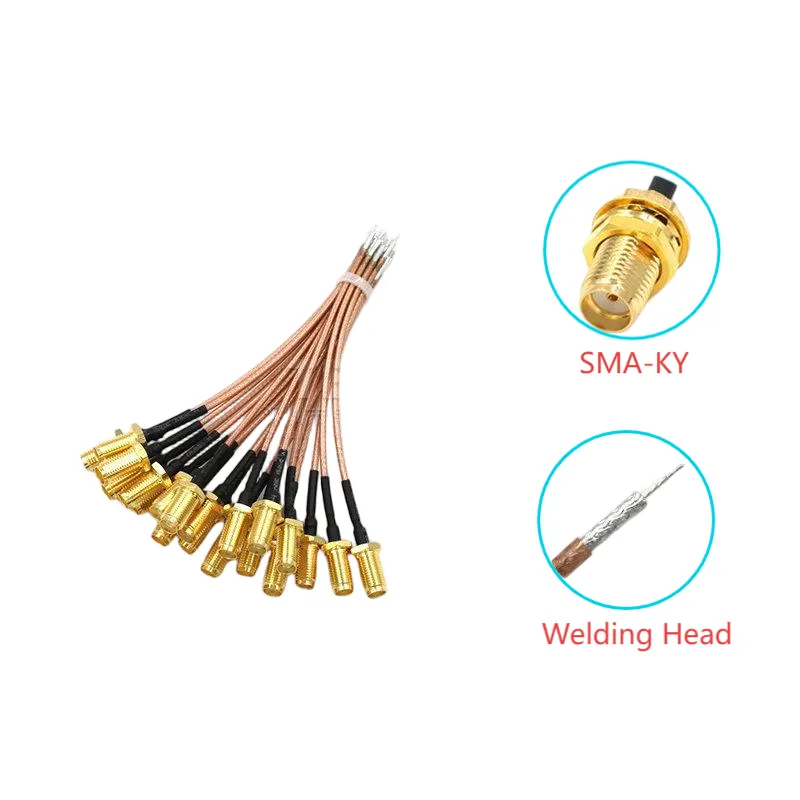
Introduction An SMA adapter cable, often called a pigtail, acts as the flexible bridge between a device’s RF port and its antenna or an external panel. Instead of stacking rigid metal adapters, a short coaxial jumper takes the stress off delicate board connectors, helps prevent loosening over time, and keeps insertion loss under control. Picking the right pigtail isn’t guesswork—it comes down to three decisions: the cable type (RF0.81, RF1.13, RG178, or RG316), the overall length, and the connector style (straight, right-angle, or bulkhead). Get those details right, and you’ll maintain a solid 50-ohm match with lower VSWR and more consistent performance.

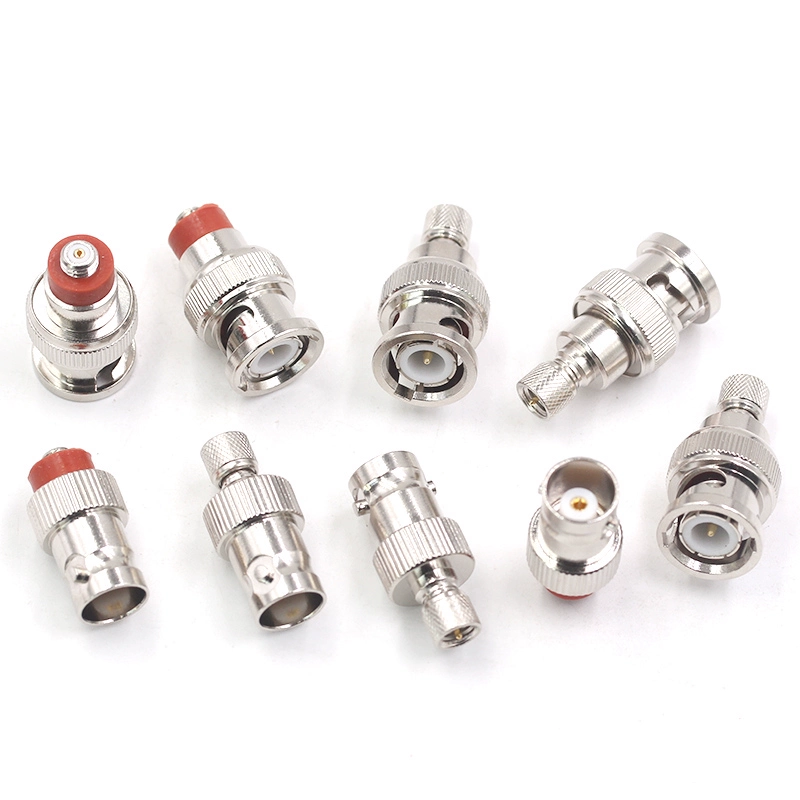
Close-up product photo of a high-quality BNC adapter, showcasing its metal construction and connector details

BNC Adapter Guide: RCA, SMA to BNC & 50/75 Ω Tips

Introduction Step into a CCTV setup, tune an SDR receiver, or reconnect an older video recorder, and chances are you’ll come across a BNC adapter in use. These small components make it possible to connect SMA, RCA, TNC, banana plugs, or other coax types without redesigning the entire system. Keep in mind that an adapter like this only handles RF and mechanical matching. It won’t magically convert HDMI into analog video or let a USB port double as Ethernet.

SMA connector with a robust 4-hole square flange for high-stability mounting

SMA Bulkhead & Flange Connectors: Length, Panel Fit, IP Seal

Introduction Designing an RF enclosure isn’t only about picking the right antenna—it’s also about how the signal escapes the box. That’s where SMA bulkhead connectors and SMA flange connectors come in. They look similar on a datasheet, but in practice they solve different mechanical challenges. Bulkhead styles rely on a threaded barrel pulled through the panel, while flange versions fasten flush with screws. The tricky part is making sure the thread length matches panel thickness, that the O-ring seals correctly for IP ratings, and that you’ve chosen the right body style and plating for the environment. In this guide, we’ll walk through definitions, gender codes, length selection, sealing tips, and RF trade-offs. Along the way, you’ll find quick reference tables and buying advice to help you avoid high VSWR or a leaky housing.

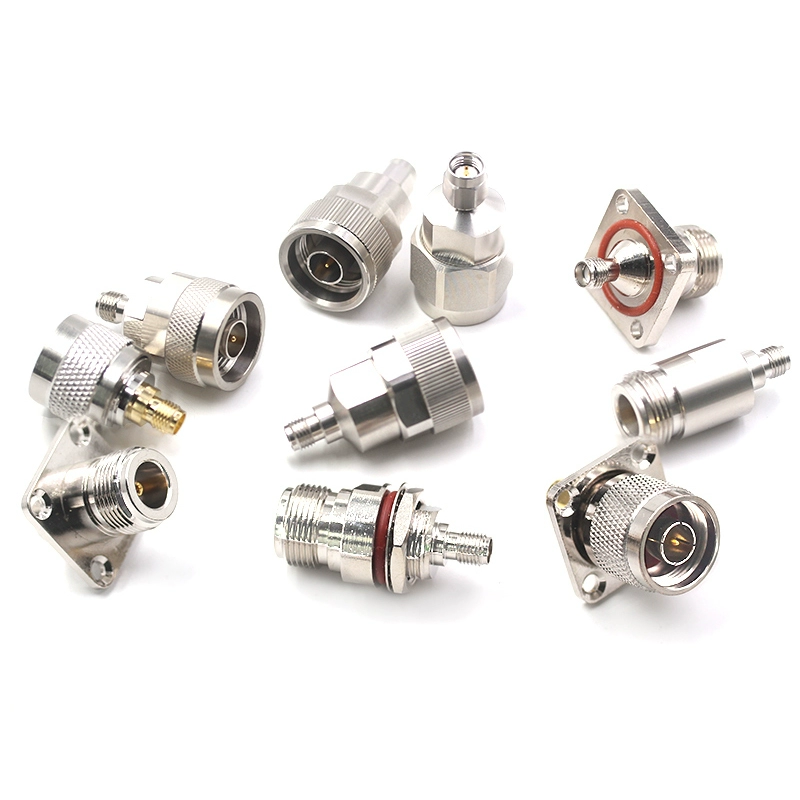
N-Type to SMA adapter connecting outdoor antenna to indoor telecom equipment

N-Type to SMA Adapter Guide: Types & Waterproof Use

Introduction In RF engineering, few transitions are as common as N-Type to SMA adapters. Whether it’s connecting an outdoor antenna to an indoor access point, bridging equipment inside a telecom cabinet, or maintaining radio systems, these adapters keep projects moving without requiring new cable runs. It’s important to clarify what these devices do: an N↔SMA adapter is not a protocol converter—you won’t be changing Ethernet or HDMI signals. Instead, it’s about achieving a proper coaxial interface match. Get the gender wrong, or mismatch the impedance, and you’ll be stuck with unusable gear.

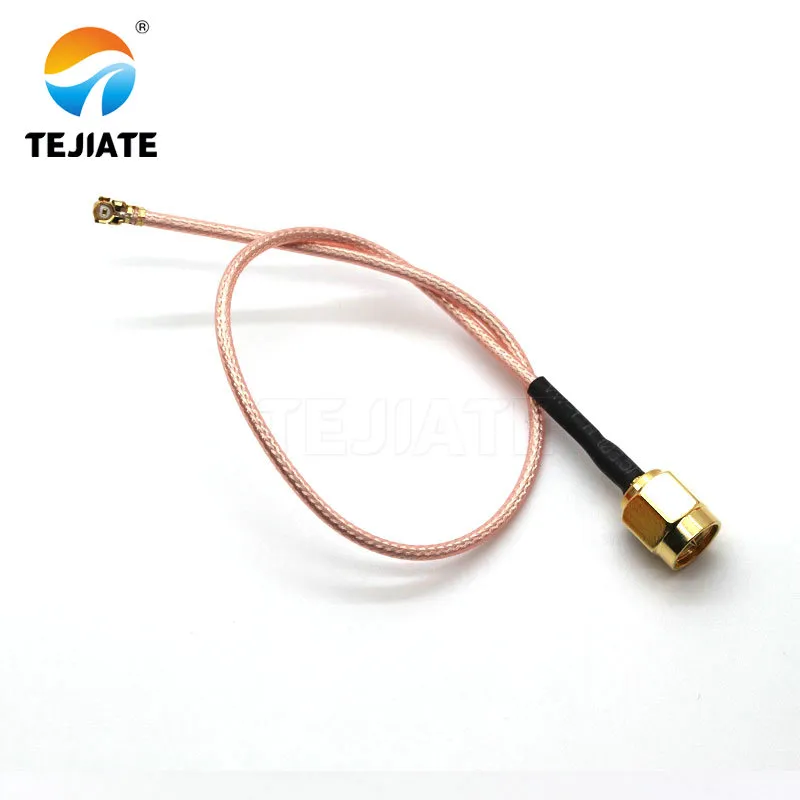
U.FL to SMA adapter cable connecting a wireless module to an external antenna

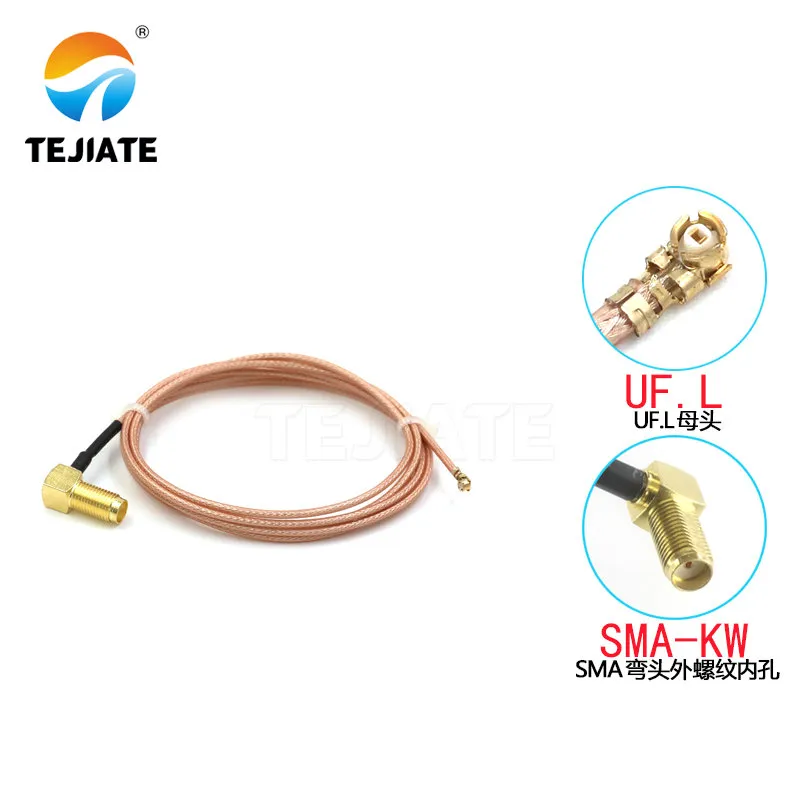
U.FL to SMA Adapter Cable Guide: Types, Length & Loss

Introduction If you work with wireless modules—whether it’s Wi-Fi, Bluetooth, LoRa, or 4G/5G—you’ve probably run into a problem: the module’s antenna port is tiny, fragile, and buried on the PCB. That’s where a U.FL to SMA adapter cable (often called a pigtail) comes in. Instead of stacking multiple SMA adapters or using bulky converters, these cables create a clean bridge: a U.FL (or IPEX) connector on one end snaps to your module, while an SMA connector on the other brings the signal out to a panel or chassis. This design means you can screw in a reliable SMA antenna without stressing the delicate board connector.

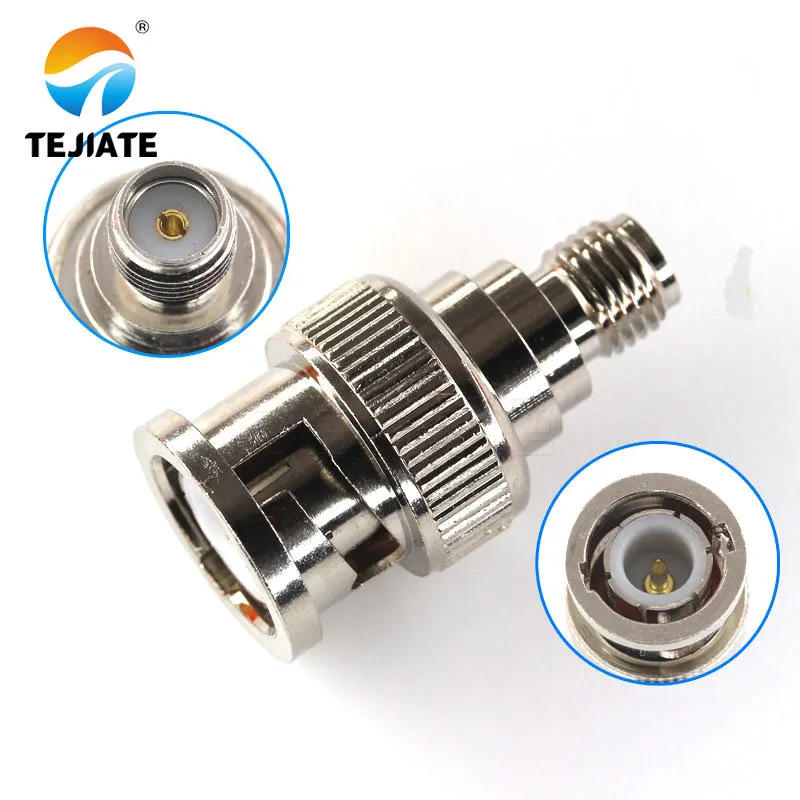
Close-up photo of a standalone SMA male to BNC female adapter

SMA to BNC Adapter Guide: Types, Gender Codes & 50/75 Ω Tips

Introduction Walk into a busy RF lab, set up an SDR on your desk, or check the back of a CCTV capture card—you’ll almost always spot an SMA to BNC adapter. It’s the quiet bridge between two very different connector families: the threaded SMA and the bayonet-style BNC.

What it does is simple: allow signals to pass smoothly without forcing you to replace cables or redesign a setup. But don’t mistake it for an HDMI, USB, or Ethernet converter. Nothing digital is being translated here. It’s purely a mechanical and RF interface match. Here’s the catch: performance depends on details. Pick the right gender (male or female), match the correct impedance (50 Ω vs 75 Ω), and keep adapters in series to a minimum. Do that, and you’ll get low loss and a stable VSWR. Ignore those basics, and you’ll likely end up chasing reflections on your oscilloscope or troubleshooting unnecessary signal dropouts.

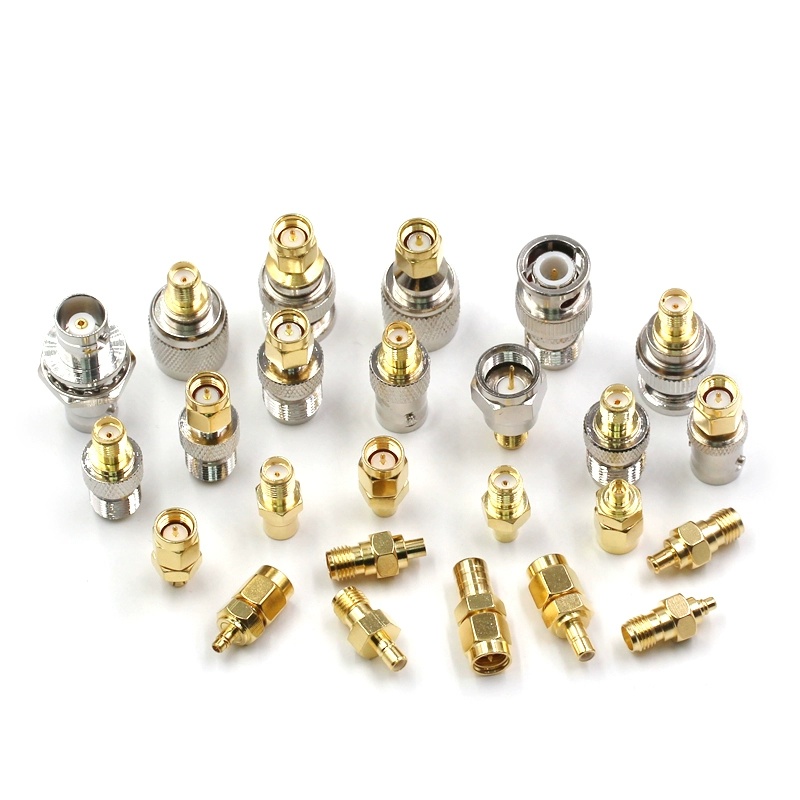
SMA Adapter Guide: Types, Gender Codes & Common Conversions

IntroductionAt its core, an SMA adapter is nothing more than a small coaxial bridge. It doesn’t perform any digital conversion, nor does it alter protocols. Instead, it ensures the threads, gender, and center contacts line up correctly so two devices can talk to each other. In practice, engineers reach for these adapters whenever ports don’t match, or when switching between connector families without re-terminating cables. The main categories of sma adapters are easy to keep in mind:

Cutaway diagram of RG178 coaxial cable structure showing conductor, dielectric, shield, and jacket

What is RG178 Coaxial Cable? Specs, Loss & Applications

Introduction In RF design, space is often the enemy. When circuit boards are crammed with components and there’s barely room for another trace, cable choice becomes critical. That’s where the RG178 coaxial cable steps in. With an outer diameter of only about 1.8 mm, this micro coax cable is among the thinnest options in the 50-ohm family.. You’ll usually spot it in pigtail assemblies—the kind that link a tiny U.FL or IPEX connector on a PCB to a bulkhead-mounted SMA or RP-SMA jack on the chassis. It also shows up in wearables, compact IoT modules, and even medical devices, where small size and high flexibility matter more than raw power.

Of course, there’s a trade-off. RG178 cable handles heat well and bends easily, but it loses more signal per meter than sturdier mini-coax like RG316. That makes it perfect for short, low-power RF links, but not for long-distance or high-power transmission.

RG174 coaxial cable used in CCTV, satellite TV, and video conferencing systems

What is RG174 Coaxial Cable? Specs, Loss & Applications

Introduction When it comes to RF (radio frequency) systems, RG174 coaxial cable is a staple for short-range, flexible connections. You’ll often find it in IoT devices, wireless communication, and test equipment. Though it might seem like a basic cable, RG174 plays a crucial role in high-performance setups. Whether you’re working in a lab, setting up a router, or designing compact antennas, RG174 can meet your needs. But like any other cable, it’s essential to understand its structure, performance, and best use cases before using it. In this guide, we will take a deep dive into RG174’s structure, applications, and performance characteristics, helping you determine when and where it’s the best choice for your projects.

Close-up of a U.FL to SMA connector pigtail cable made with RG316

What Is RG316 Cable? Specs, Loss, Power Rating & Comparisons

Introduction If you work around RF systems, test equipment, or wireless modules, chances are you’ve run into a thin brown coaxial line labeled RG316 cable. At first glance, it doesn’t look like much—just another small, flexible wire. Yet this modest cable plays a vital role in short-range RF connections, especially in demanding environments where flexibility, heat resistance, and stable performance matter. Unlike larger coaxial standards such as RG58 or LMR400, RG316 is not designed to carry signals across long outdoor runs. Instead, it shines in applications like test jumpers, antenna pigtails, or compact device assemblies where space is limited. Engineers often favor it in labs and aerospace settings because it bends easily without breaking and withstands high temperatures.

Close-up comparison of SMA and RP-SMA connector centers showing pin vs socket

SMA vs RP-SMA Wi-Fi Antenna Connectors: A Practical Guide

Introduction Picture this: you buy a brand-new Wi-Fi antenna online, screw it onto your router, and… nothing happens. No signal boost, no improved coverage—just frustration. What went wrong? In many cases, the problem isn’t the antenna’s gain, brand, or design. It’s something far simpler: the connector type.In the world of wireless gear, two nearly identical connectors cause endless confusion—SMA and RP-SMA antenna connectors often found on Wi-Fi devices. At a glance, they look the same: same threads, same size, same shiny finish. Yet one has a pin where the other has a socket, and that tiny difference decides whether your antenna works or fails.