We share everything about Electronic Components OEM, ODM, or private label solutions...

We continuously share and publish original articles about electronic components and OEM/ODM/private label solutions. We hope these articles provide you with valuable insights to support your private label electronic components business.

If you don’t want to miss our article, please subscribe to our newsletter. 

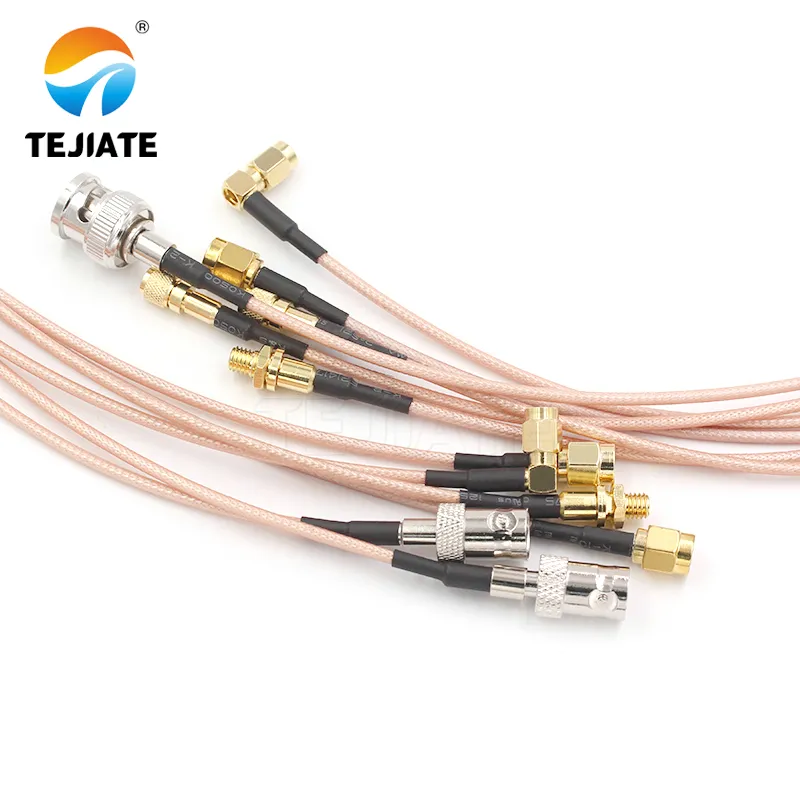
Close-up of TEJIATE brand gold-plated brass SMA connector

SMA Antenna Extension Cable Guide: Outdoor Use & IP67

Introduction Choosing the right cable for an outdoor antenna might look like a small detail, but in practice it often decides whether your system delivers stable performance or struggles with weak, unstable signals. An sma antenna extension cable is more than just a length of coax with connectors—it’s part of your RF chain, shielding your signal from heat, moisture, and interference that would otherwise creep in. Think about it this way: every extra meter you add introduces loss. The wrong choice can eat up antenna gain so quickly that even a strong Wi-Fi router or LTE modem feels underpowered. On the other hand, the right extension keeps noise low and ensures your GNSS receiver, IoT gateway, or access point gets the clean signal it was designed for.
Comparison diagram of SMA and RP-SMA connector polarity

SMA Extension Cable: RG316 vs RG316D, Loss & Ordering

Shopping for a SMA extension cable isn’t as simple as picking a random length off the shelf. In RF systems, performance, durability, and flexibility all matter, and skipping the details often leads to headaches later. You’ll hear people casually refer to these assemblies as SMA jumper cables or SMA patch cables, but those names hide important distinctions. In a 50 ohm coax setup, every connector and every centimeter of coax counts. A mismatched run can add unexpected SMA cable loss, sometimes just 1–2 dB at Wi-Fi or LTE bands. That may not sound like much, yet it can be the difference between a strong, clean link and a connection that drops every hour.

Brass gold-plated SMA connector commonly used for indoor applications

SMA Male-to-Male Cable RG316/RG316D: Specs & Ordering Guide

Introduction When engineers talk about an SMA male-to-male cable, two names almost always come up: RG316 and its tougher cousin, RG316D. Both are rated at 50 ohms, wrapped in flexible FEP jackets, and at first glance look nearly identical. But once you start working with them, the differences show up quickly—in shielding, attenuation, and how much heat they can take.

This guide isn’t just a pile of specs. It’s about making practical choices: how far you can run an RG316 cable before the SMA cable loss eats into your link budget, when a right-angle connector is smarter than forcing a bend, and why RG316D’s dual shielding is worth it in noisy environments.

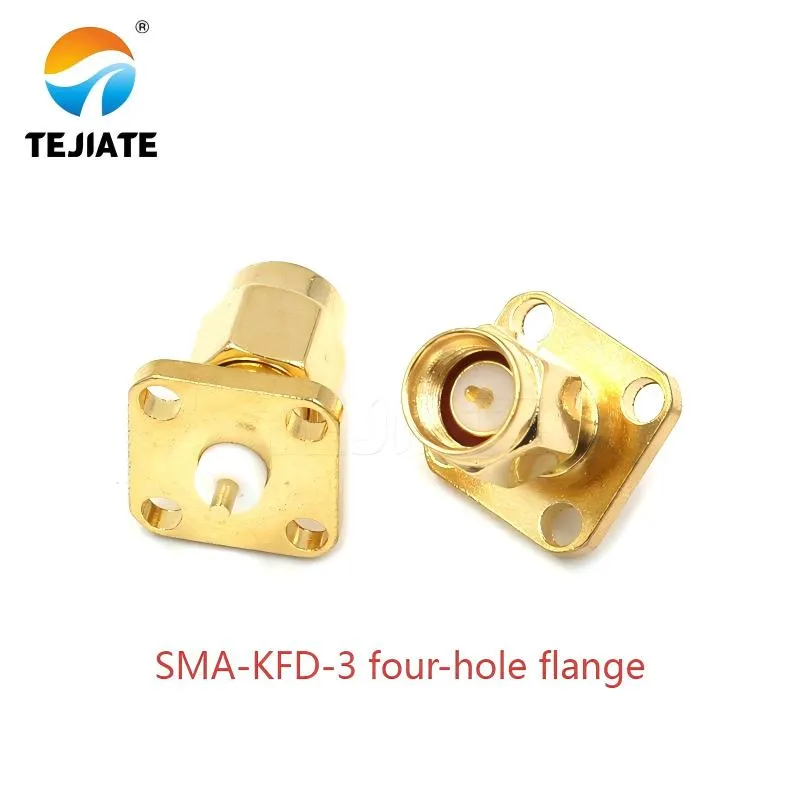
SMA-KFD-3 four-hole flange mount male connector

SMA Male Panel Mount Connector Guide: Cutouts, Nuts & IP67 Sealing

Preface When engineers source an SMA male panel mount connector, the challenge isn’t simply finding stock on the shelf. The real work begins when you need to make sure the part actually fits your enclosure—without leaks, spin, or signal loss. That means checking the sma panel cutout diameter, confirming the panel thickness range, and deciding if a single-nut bulkhead is enough or whether a sturdier sma flange connector makes more sense.

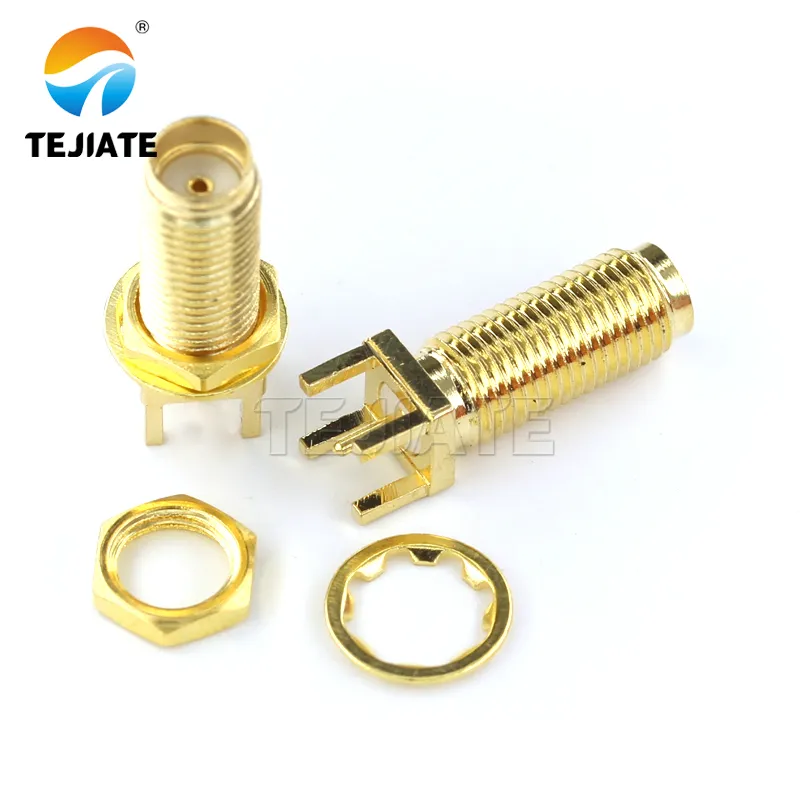
Close-up of an SMA-KE series female connector with an extended 23mm thread length.

SMA Panel Mount Connector Guide: Bulkhead, Flange & Waterproof

Introduction Before ordering a panel mount SMA connector, it’s smart to pause and check the fundamentals. What cutout size will you drill? How thick is the panel wall? Do you need a quick bulkhead nut fit or a sturdier flange type? These aren’t small details—get them wrong and you’ll face poor sealing, vibration failures, or even a leaky enclosure. For outdoor jobs especially, an IP67-rated waterproof SMA bulkhead can be the difference between years of reliable service and a connector that fails after the first rainy season.

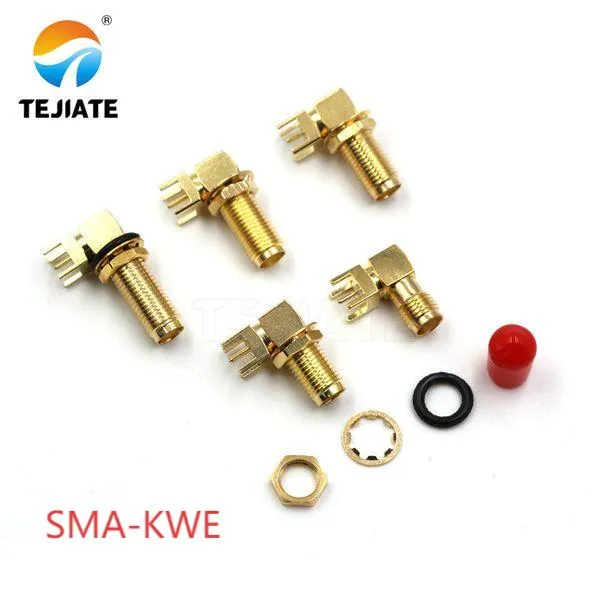
TEJTE SMA-KWE Bulkhead Connector Application Photo

SMA Pigtail Guide: RG174 vs RG316, Loss, Bends & Waterproofing

Should you pick RG174 or RG316 for lower coax attenuation and safer bends? If you’ve ever opened up a Wi-Fi router or handled an FPV drone, you’ve probably come across both RG174 extension cable and RG316 jumpers. On the surface, they look almost interchangeable: both are 50-ohm coax types, both sit in the 2.5–3 mm size range. Yet once you dig into their specs, the differences show why engineers tend to prefer one over the other in specific contexts.

Overview of 50-ohm coax choices for SMA gear (range, flexibility, sealing)

50 Ohm Coax Cable for SMA: RG174 vs RG316 vs LMR-200

Introduction Choosing the right 50 ohm coax cable for SMA gear isn’t just about grabbing whatever fits the connector. It’s a balancing act—attenuation, flexibility, outdoor sealing, and connector type all pull in different directions. Some engineers chase the lowest loss at high GHz, while others care more about bending a cable inside a tight router box.

TEJTE SMA to TNC Adapter Series Product Collection Photo

SMA to TNC Adapter: 50Ω Straight & Right-Angle Picks

Introduction When you’re looking at an sma to tnc adapter, the decision is rarely as simple as “will it fit.” The details—gender, impedance, angle, and sealing—are what separate a solid RF chain from one that constantly needs troubleshooting. TEJTE’s SMA-F to TNC-F flange version (Part No. 58515) is a good case in point. With IP67 sealing, a 30.5 mm protrusion, and a four-hole flange mount, it combines precision machining with rugged protection. That mix explains why engineers reach for it in both lab setups and outdoor antenna installs where failure is not an option.

SMA to N Adapter Material Build Comparison Diagram

SMA to N Adapter Explained: 50Ω Straight & Waterproof Types

Introduction Choosing the right SMA to N adapter isn’t as simple as snapping two connectors together. In practice, engineers have to think about impedance, gender direction, and whether the adapter can withstand both mechanical strain and environmental stress. Take TEJTE’s N/SMA-KKF waterproof version as an example—it’s rated for 50 Ω, works from DC–6 GHz, maintains VSWR ≤1.2, and relies on a silicone O-ring to survive outdoors from -45 °C up to +125 °C. These aren’t just numbers on a datasheet. They tell you whether the adapter will hold steady after a storm, or fail just when your gear is needed most.

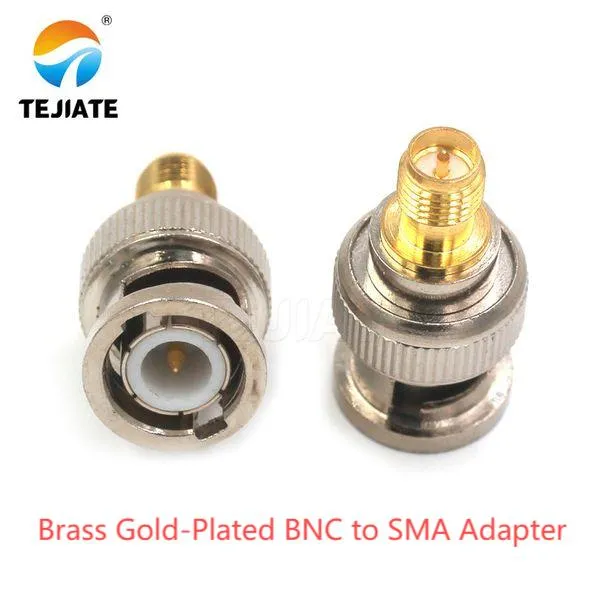
Brass Gold-Plated BNC to SMA Adapter

BNC to SMA Adapter Guide: 50Ω Straight vs Right-Angle

Verify gender, series, and 50-ohm matching before you buy One of the most common mistakes when choosing a bnc to sma adapter isn’t about frequency rating or power handling—it usually starts with something simpler: gender and series. Miss those details, and the adapter you ordered will just end up collecting dust in a drawer.

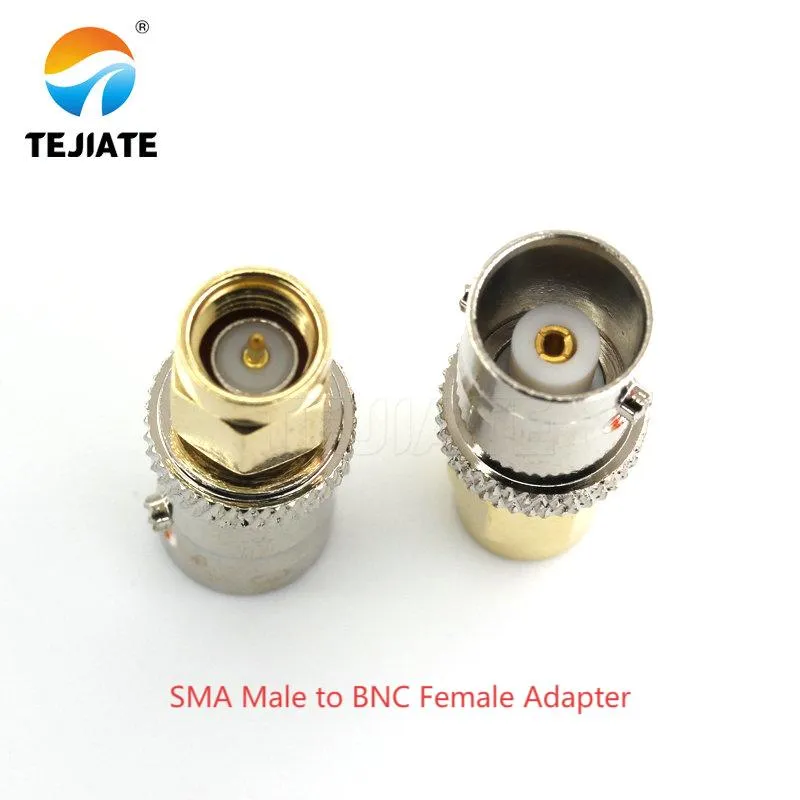
TEJTE SMA Male to BNC Female Adapter

SMA to BNC Adapter: 50Ω Straight & Right-Angle Options

Introduction When engineers face the task of linking precision instruments with field equipment, a SMA to BNC adapter is often the simplest bridge. Yet, choosing the right type isn’t just about “male or female.” You’ll need to think about impedance, mechanical clearance, loss, and even environmental sealing. Ignore these details, and you might introduce hidden errors into your measurements—or worse, damage a port you can’t easily replace.

High-Frequency SMA Attenuator, rated DC-18GHz

SMA Attenuator Guide: dB Values, Power Rating & 26.5 GHz

Introduction In RF design, the trouble often starts with signal power. A receiver that looks fine on paper can buckle the moment a nearby transmitter pumps too much energy into it. Anyone who has worked with spectrum analyzers knows how unforgiving they are—a few extra dB is sometimes all it takes to cause permanent harm. Lowering transmitter gain sounds like the obvious fix, and sometimes it works, but not every system gives you that flexibility. Even when it does, the results can drift between firmware updates or vary across devices.