We share everything about Electronic Components OEM, ODM, or private label solutions...

We continuously share and publish original articles about electronic components and OEM/ODM/private label solutions. We hope these articles provide you with valuable insights to support your private label electronic components business.

If you don’t want to miss our article, please subscribe to our newsletter. 

Close-up view of an RP-SMA Female connector mating with an RP-SMA Male connector, emphasizing the internal socket and pin interface.

RP-SMA Connector: Polarity, Gender & Antenna Fit

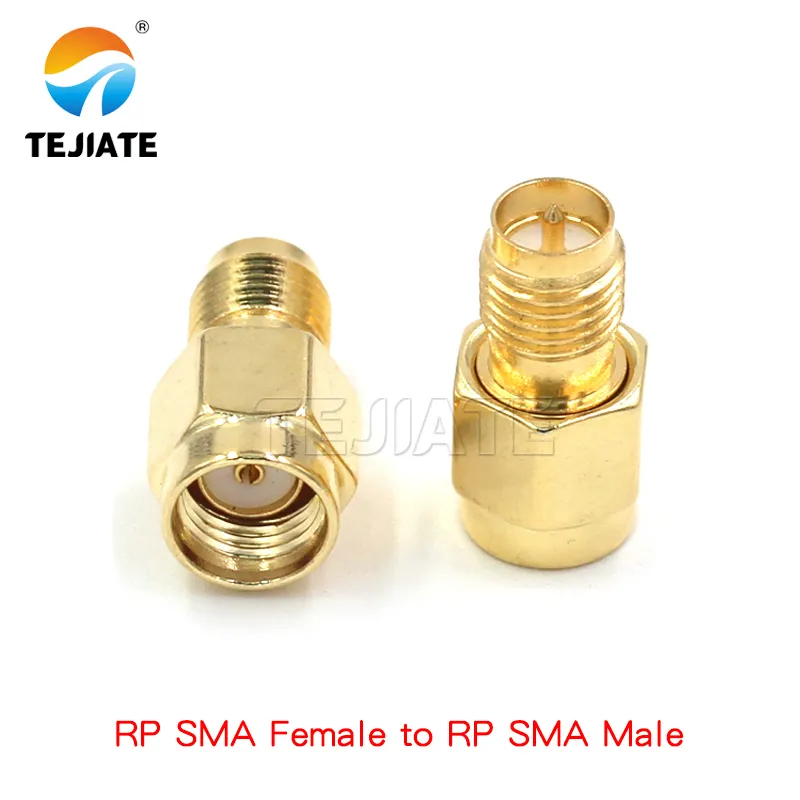
Identify your connector in 30 seconds: is it RP-SMA or SMA? Confusing an RP-SMA connector with a standard SMA happens more often than people admit. Both share the 1/4-36UNS thread and look nearly identical from the outside. The real difference lies inside: polarity is defined by the center conductor, and that detail alone determines whether your antenna actually makes contact or simply spins on uselessly.
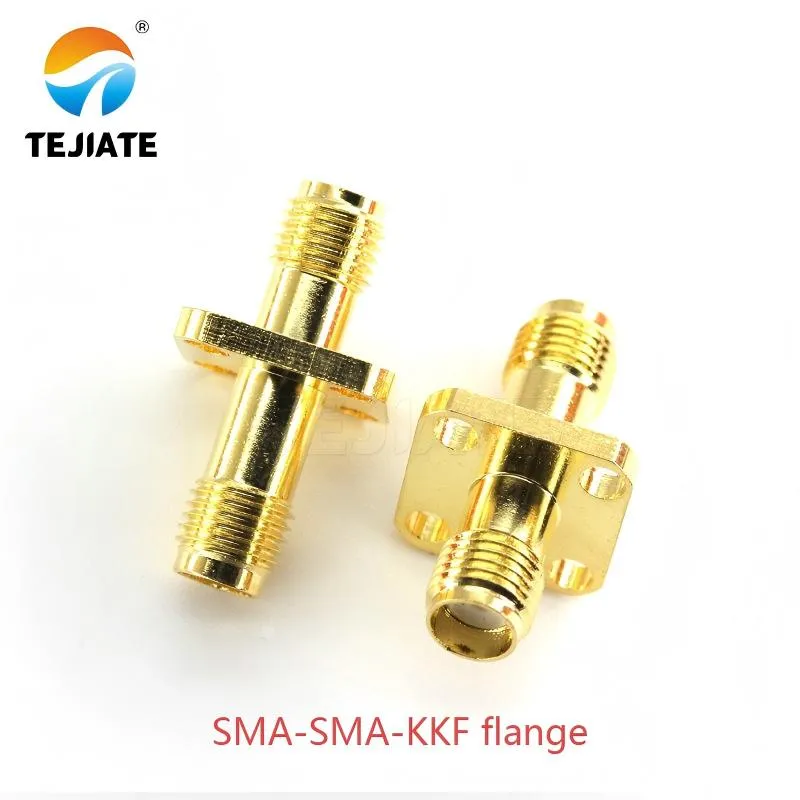
SMA-SMA-KKF flange-style bulkhead connector, suitable for double-nut and wave washer locking mechanism.

SMA Bulkhead Connector: Selection, Mounting & IP67 Tips

When engineers specify RF connectors, they often think about frequency range or plating first. But for the SMA bulkhead connector, the success or failure of the installation frequently comes down to something more mechanical: thread length, panel thickness, and how the pins mate with a PCB. Anyone who has wrestled with stripped nuts or a misaligned board cutout knows how frustrating the wrong choice can be. This guide walks through the details, using real part numbers from TEJTE’s catalog, so you can match your enclosure, circuit board, and sealing needs without second-guessing.

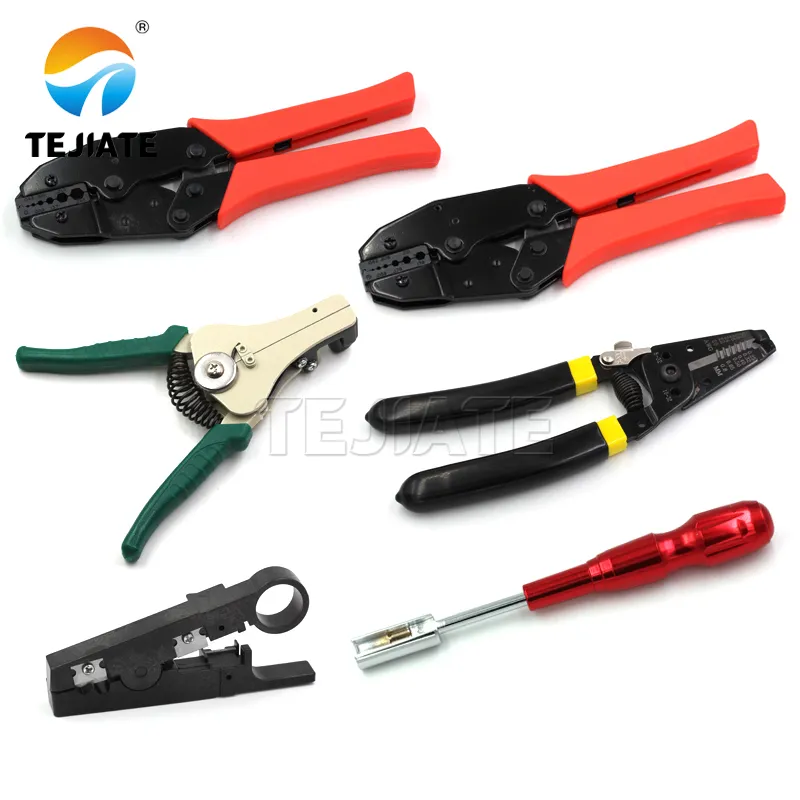
Set of tools required for SMA crimping: strippers, hex crimp tool with dies, positioner jig, and pull gauge.

SMA Crimp Connector: Complete Guide to Strip, Crimp & Inspect

Introduction In RF and high-frequency engineering, a poorly executed crimp can ruin an otherwise flawless design. The SMA crimp connector has become a staple in network communications, test equipment, and even aerospace hardware because it balances compact size with a reliable 50-ohm interface. Yet anyone who has wrestled with intermittent links knows the reality: the small details — strip length, crimp height, and pull strength — determine whether a connection stays rock-solid or fails at the worst moment.

SMA-KWE series panel-mount or through-chassis flange connector.

SMA PCB Connector: Selection, Launch & Mounting

Introduction Designing high-frequency circuits is never just about routing traces. The way you mount an SMA PCB connector decides whether your 50-ohm line holds up in practice, whether torque from repeated mating cycles damages the board, and whether the finished assembly clears reliability checks. Engineers working in measurement equipment, telecom gear, or smart home devices know the pain of chasing down return-loss spikes or mechanical failures that could have been avoided with a better connector choice. With parts like TEJTE’s RoHS-compliant SMA-JE and SSMA-KWE series — rated from 0–6 GHz, using brass housings with gold plating and PTFE insulation — you have proven building blocks to start from. What matters is how you select, route, and reinforce them on your PCB.

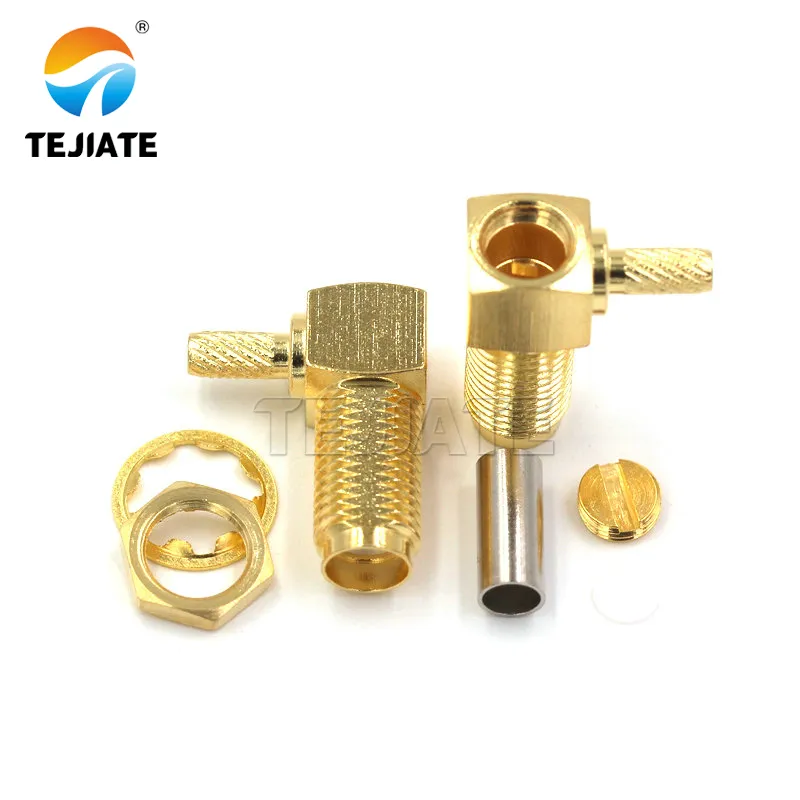
Extended SMA right-angle connector with reinforced housing for compact RF devices

SMA Right Angle Connector: Selection, Mounting & PCB Guide

Choosing the right connector may sound like a small detail, but for RF engineers, it often makes or breaks the system. The sma right angle connector is one of those parts that shows up when space is tight, when cable bends need control, or when serviceability matters. Unlike a straight SMA, the right-angle design changes not only the physical routing but also the way you plan impedance, torque, and reliability.

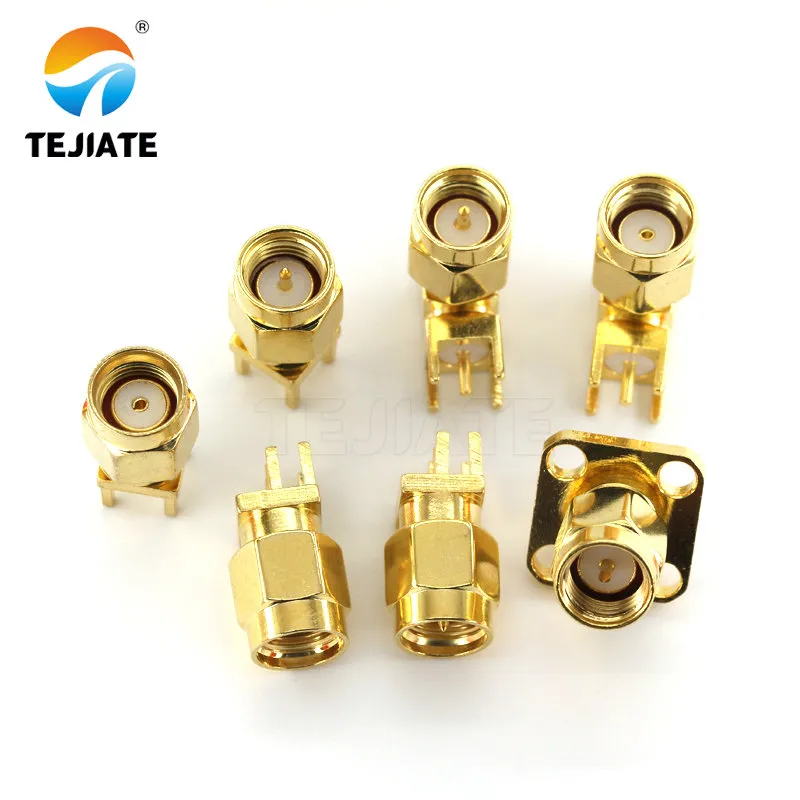
Edge-mount, end-launch, and vertical SMA PCB connector types

SMA Connector PCB Layout: Tips for 50Ω Launch & Routing

Designing an RF board is always a balancing act. On the CAD screen, the traces look neat and predictable, but in practice the way you implement an sma connector pcb layout often determines whether the design performs flawlessly above 2 GHz or ends up failing during lab validation. A pad that’s slightly oversized, a ground clearance that’s too tight, or a missing via fence can shift impedance by just a few ohms. That small change is enough to cause reflections, bandwidth reduction, and, in the worst case, another costly board spin.

SMA female right-angle connector for compact layouts

SMA Female Connector Guide: Selection, Mounting & IP67 Specs

How do I verify I really need an SMA female (not RP-SMA)? One of the first questions buyers ask is whether their device really requires an sma female connector or an RP-SMA female. At a glance, they look deceptively similar because both use external threads. The critical difference hides in the dielectric.

SMA female → external thread + center socket (hole)
RP-SMA female → external thread + center pin

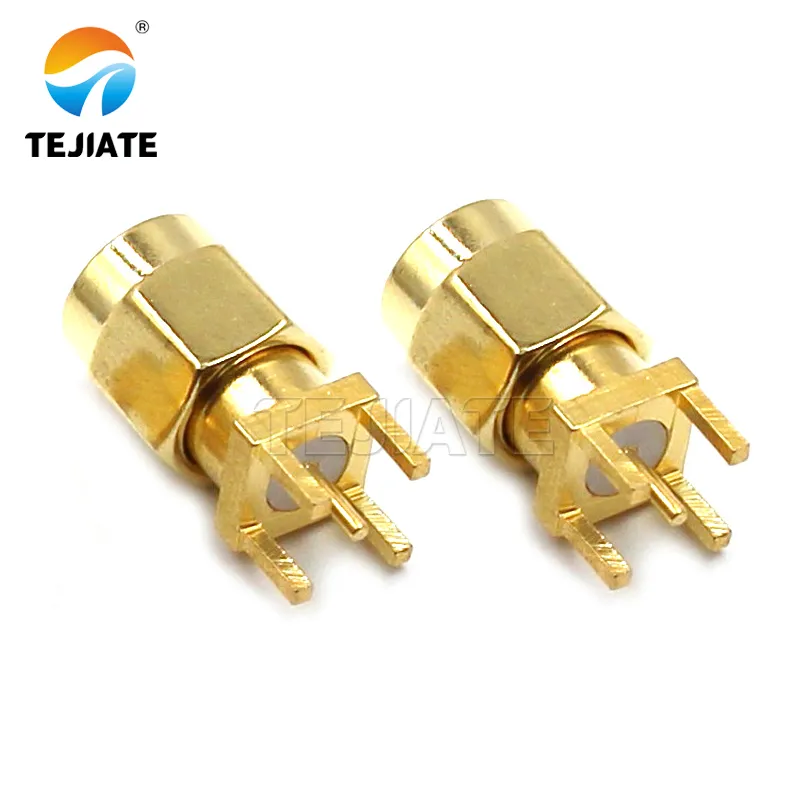
SMA PCB Plug-in Connector

SMA Male Connector Guide: Torque, Crimping & Selection

How do I verify my device port matches an SMA male? Getting the right sma male connector isn’t just about grabbing something that “looks close enough.” A wrong call on gender or polarity can waste hours in the lab, or worse, damage an expensive board. The first thing you should confirm is whether your port is SMA or RP-SMA—and whether it needs a male plug or a female jack.

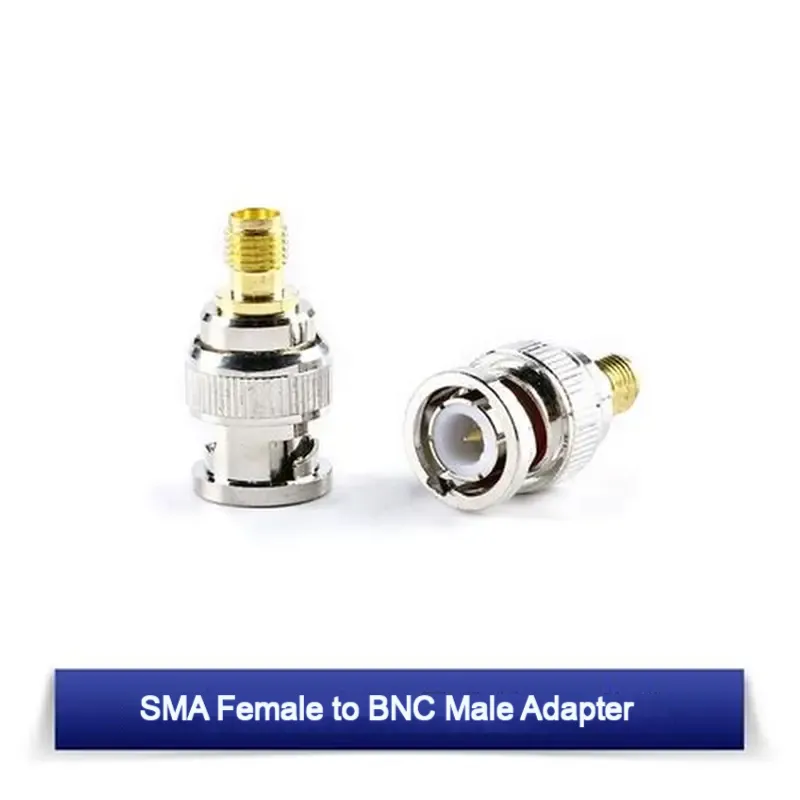
Physical photo of SMA Female to BNC Male adapter

SMA Adapter: Practical Selection & Ordering Guide

Introduction If you’ve worked with RF gear long enough, you know that the wrong connector can ruin a setup. Sometimes it’s just a bit of extra loss, other times it’s a complete mismatch that stops the system cold. That’s why sma adapters are more than “small accessories” — they’re the bridge between test instruments, radios, and antennas.

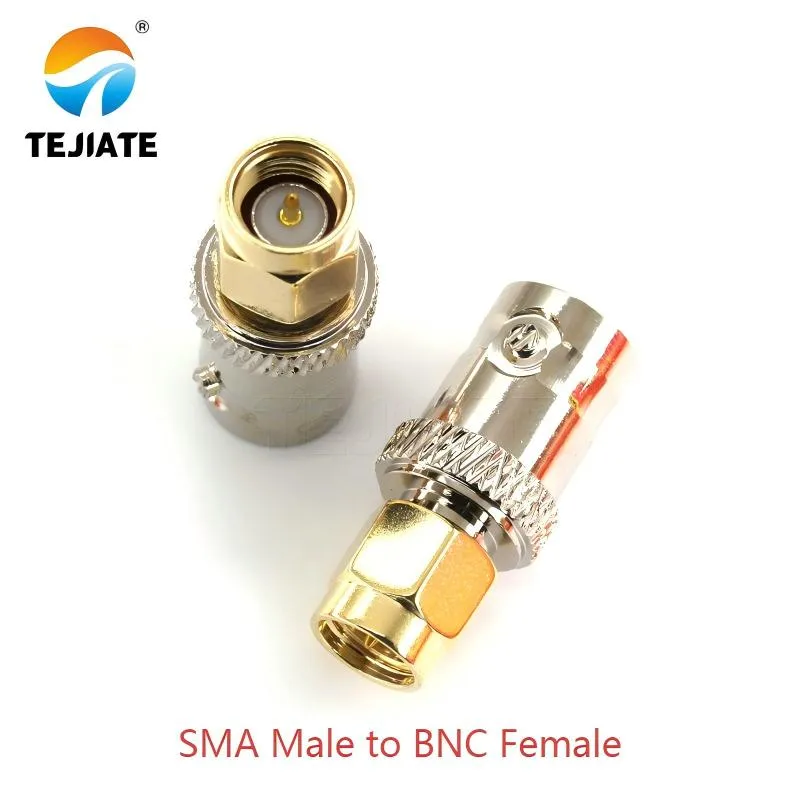
TEJIATE brand SMA Male to BNC Female adapter

SMA to BNC Adapter: Selection & Ordering Guide

When you’re working with RF systems, it’s surprising how often a small part decides the success of the whole setup. An adapter may look trivial, yet the wrong one can throw your measurements off, add unwanted reflections, or simply refuse to connect. At first glance, an SMA port and a BNC port don’t seem that different, but mixing them up leads to frustration. That’s why choosing the right SMA to BNC adapter matters.

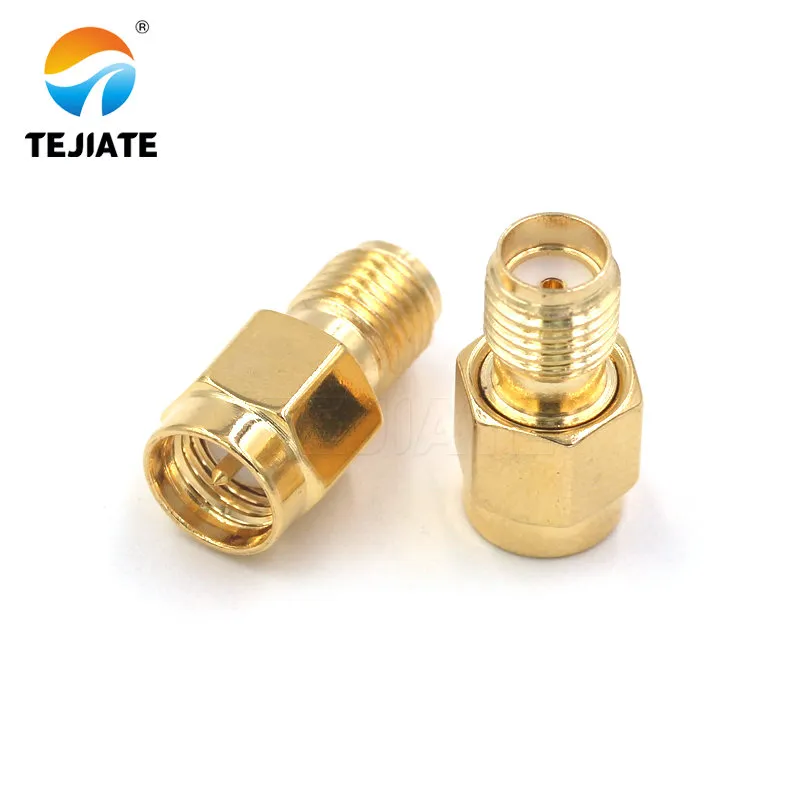
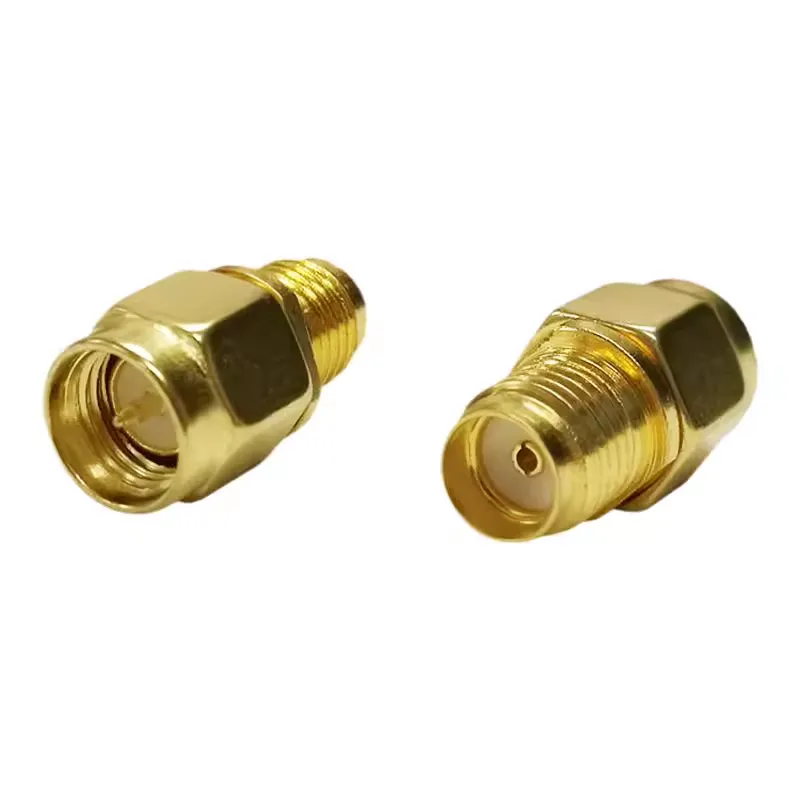
Physical photo of an SMA Male to Female adapter

Complete Guide to SMA Connectors: Types, Uses, and Selection Tips

Introduction If you’ve spent time around RF equipment, you’ve almost certainly worked with an SMA connector. These small threaded parts show up everywhere—wireless gear, broadcast stations, lab instruments, even home networking setups. Their popularity has little to do with appearance. What really matters is that they keep a stable electrical path while surviving the wear and tear of repeated use.

SMA-KE Straight Jack Connector

SMA Connector Guide: Types, Specs & How to Choose

How do I choose the right SMA connector? Selecting the right SMA connector isn’t just a matter of matching thread sizes. Engineers and buyers usually look at impedance, voltage rating, frequency range, and mechanical durability before making a decision. Understanding the different sma connector types—male, female, jack, plug, PCB-mounted, or even waterproof models—helps avoid costly mistakes later on.