We share everything about Electronic Components OEM, ODM, or private label solutions...

We continuously share and publish original articles about electronic components and OEM/ODM/private label solutions. We hope these articles provide you with valuable insights to support your private label electronic components business.

If you don’t want to miss our article, please subscribe to our newsletter. 

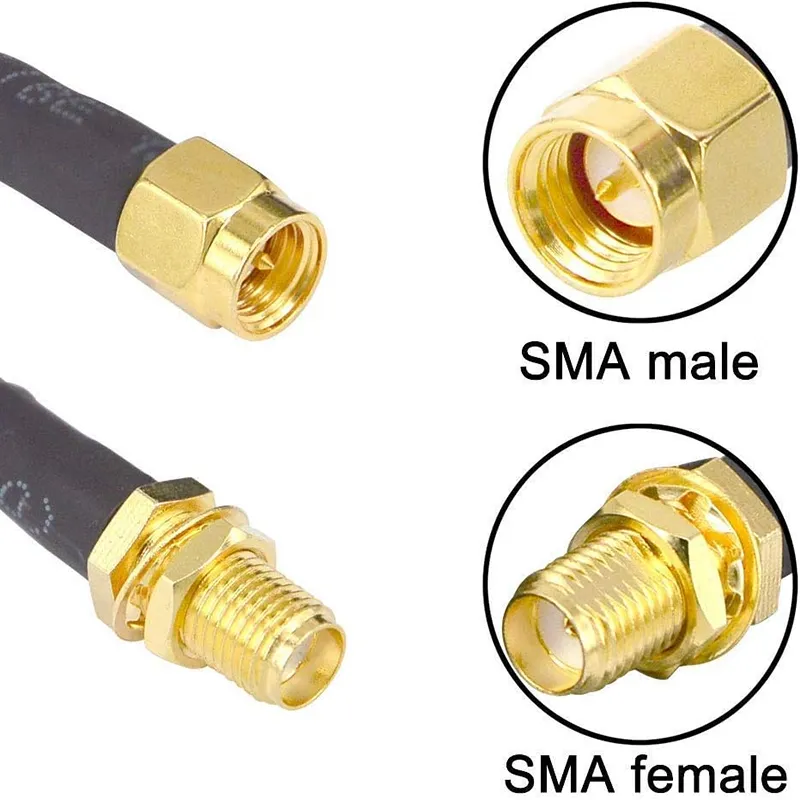
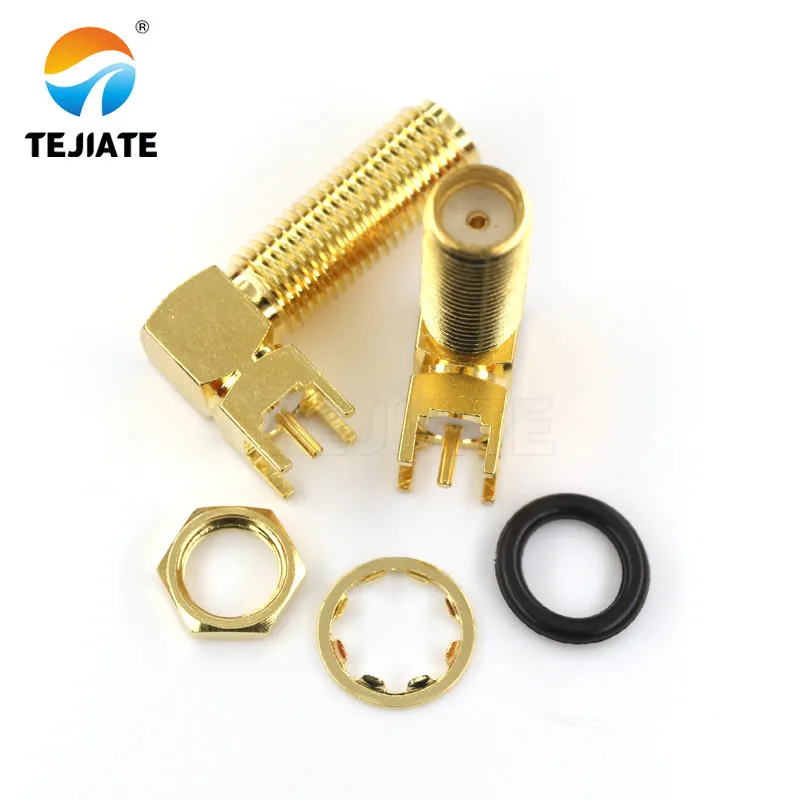
SMA-KWE Connector physical image

SMA Connector Guide: Selection, Polarity & MIMO Setup Explained

Preface In modern RF and Wi-Fi builds, SMA connectors are the tiny mechanical links that quietly determine whether your signal chain runs clean or falls short. They sit between your radio and antenna, handling everything from tight indoor routers to weather-exposed IoT gateways. The wrong choice—wrong polarity, weak sealing, or mismatched plating—can turn a solid design into a noisy one.
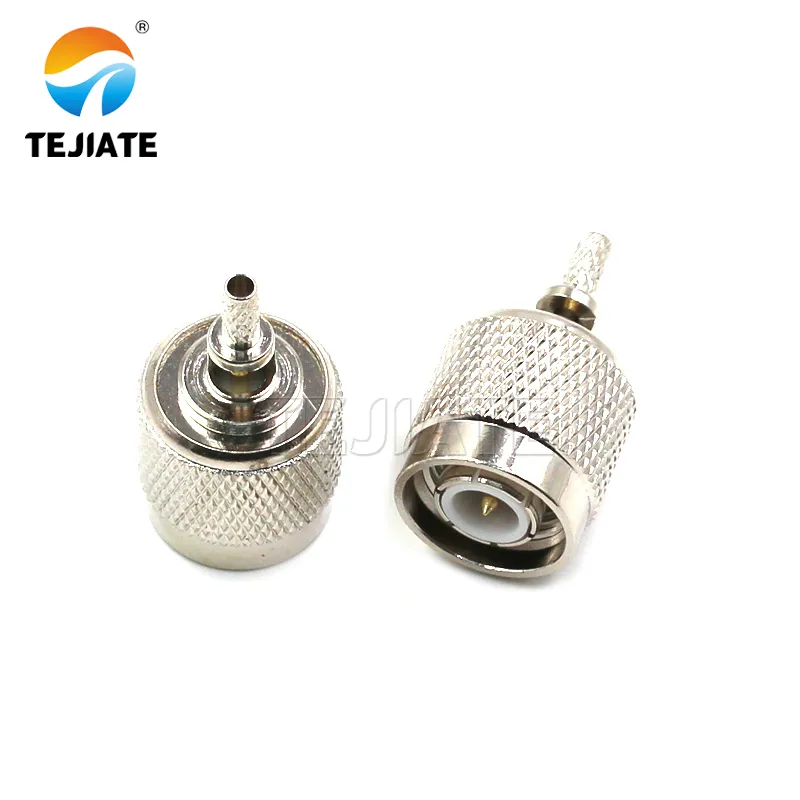
TNC Type Connector physical image

RF Connector: Install, Clean & Waterproof

Preface Every RF build—whether it’s a 5G base station, a Wi-Fi access point, or a radar node—depends on something easy to overlook: the RF connector. It doesn’t blink or hum, but it decides how cleanly power moves through your 50-ohm coax cable. A connector that’s slightly loose, or one that’s overtightened, can eat several decibels of signal before the antenna ever sees it.

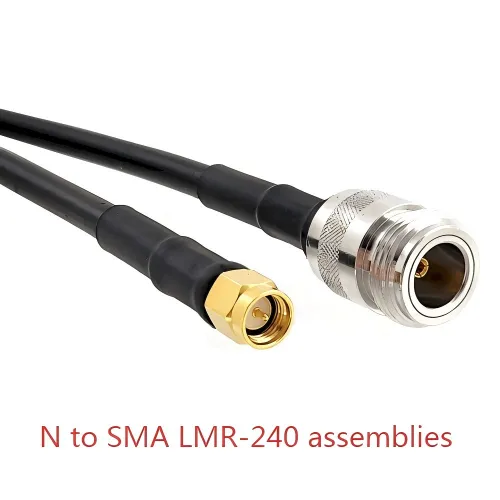
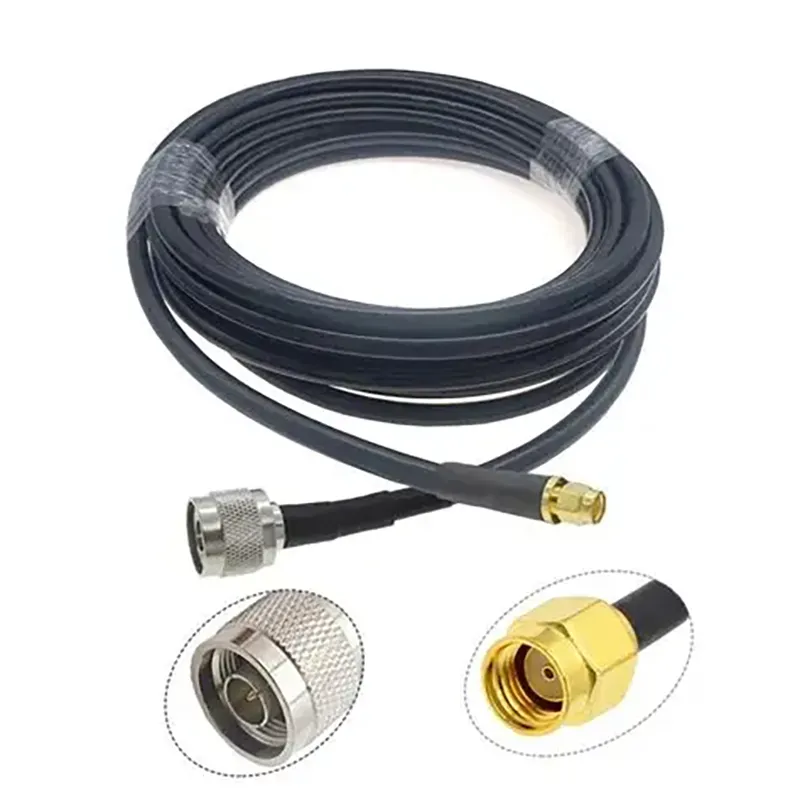
Physical image of an N-type to SMA adapter or pigtail

N-type Connector Guide: Outdoor Install & IP67 Sealing

Preface Every outdoor RF link relies on one silent component that rarely gets praise — the connector. When you’re routing a Wi-Fi 6 access point, a 5 GHz bridge, or a LoRa gateway, it’s the N-type connector that holds the signal chain together. With its 50-ohm precision design, metal threads that can survive hundreds of mating cycles, and steady performance from DC up to 18 GHz, it’s trusted across base stations and test benches.

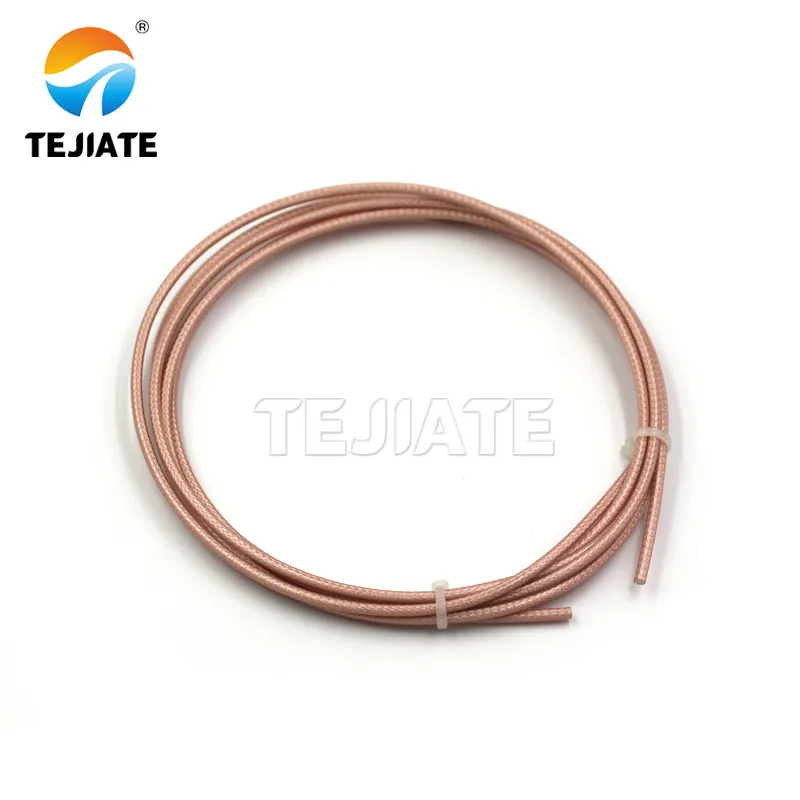
RG316 High-Frequency Coaxial Cable with brown FEP jacket, extremely flexible

RF Cable Loss: Pick, Budget & Verify at 2.4/5/6 GHz

When your system performance starts dropping at high frequencies, the culprit is often not the radio itself—but RF cable loss. Every meter of coax between your transceiver and antenna eats a bit of signal, and at 5 GHz or 6 GHz, that loss compounds fast. The key is finding a 50 Ω coax cable that balances flexibility, attenuation, and long-term reliability.

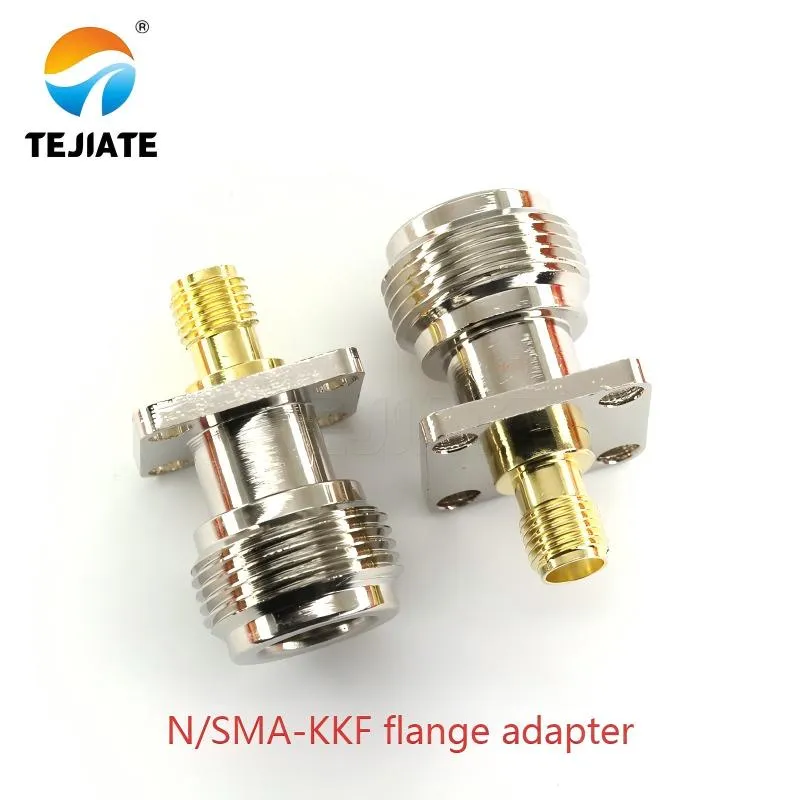
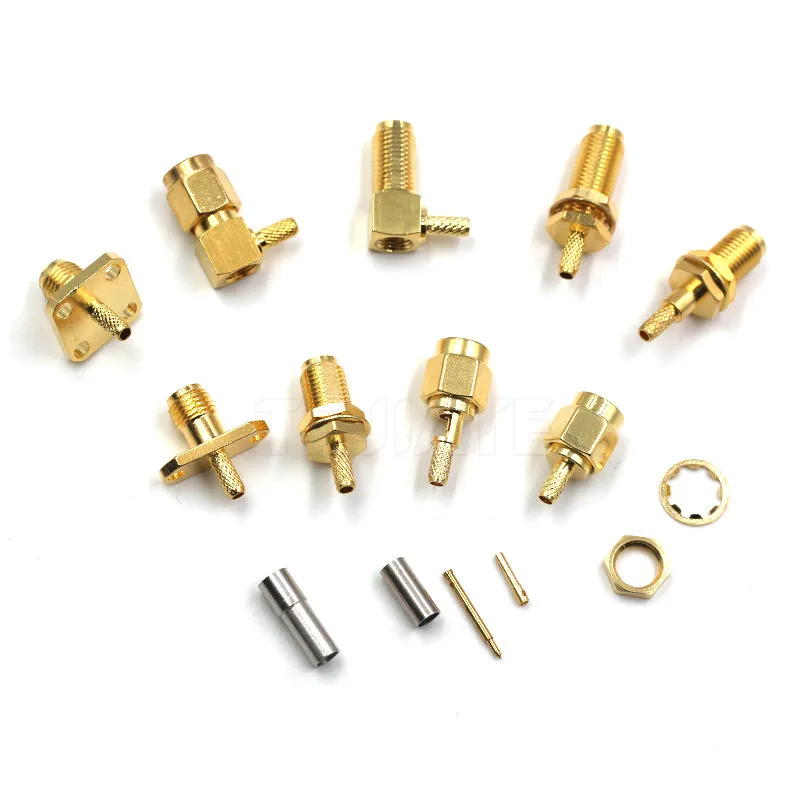
N-to-SMA flange mount connector for panel feedthrough and RF enclosure interfaces

RG58 Cable: Specs, Loss & Outdoor Routing

Preface When setting up a reliable RF communication line — whether in a smart home, a hotel network, or an outdoor IoT gateway — the cable often becomes the unsung hero. A 50 ohm coax cable like RG58 bridges your antennas, routers, and modules, carrying signals from DC to 6 GHz with minimal compromise. But “minimal” depends on how far you run it, how you terminate it, and what environment you expose it to.

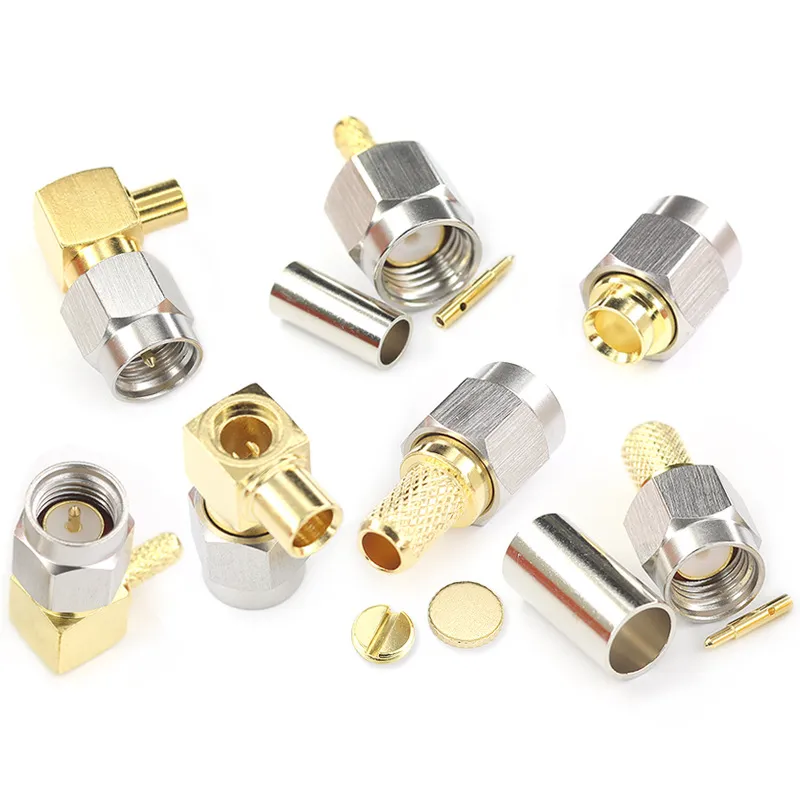
Right-angle SMA male connector used in FPV drones and compact enclosures

RG316 Cable: Specs, Loss & SMA Assembly

Introduction In compact RF builds—from small Wi-Fi routers and IoT gateways to UAV telemetry—RG316 cable has become an engineer’s quiet favorite. Its slim 2.5 mm outer diameter, PTFE insulation, and silver-plated copper braid make it perfect for tight spaces and harsh conditions where larger coax types like RG58 or LMR-200 simply won’t fit.

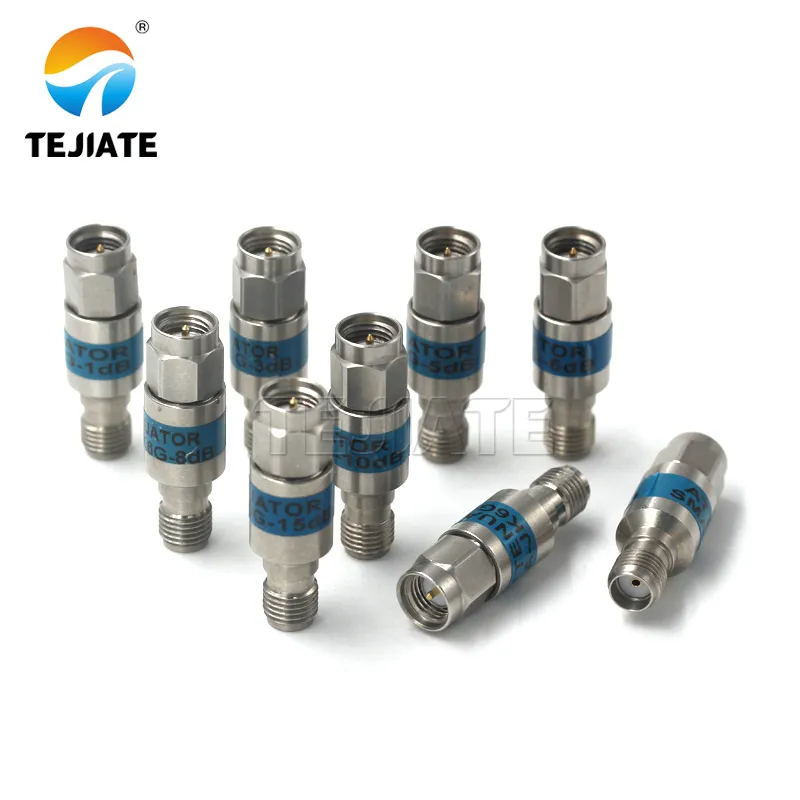
Fixed SMA attenuators in 1W–5W power classes for DC–6 GHz operation

SMA attenuator: practical dB, power & VSWR guide

Preface In RF work, SMA attenuators often play the role of unsung heroes. They don’t generate power, amplify gain, or filter signals, yet they quietly decide whether a system runs smoothly or falls apart under distortion. A mismatched transmitter can overload a receiver in seconds, and anyone who has blown a spectrum analyzer input knows how costly that mistake can be. That’s when a small device like an RF attenuator proves its worth.

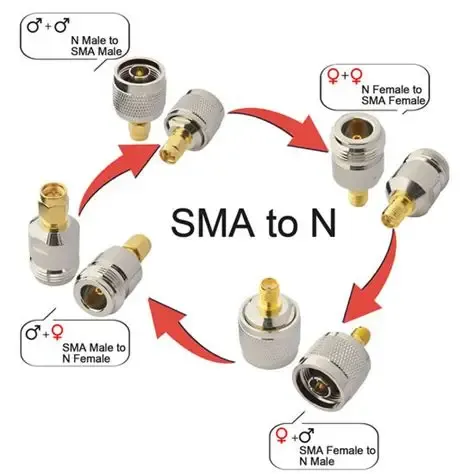
Diagram illustrating common SMA to N adapter gender combinations, such as N Male to SMA Male and SMA to N Female.

SMA to N adapter: selection, sealing & ordering

Modern RF systems often need to bridge different connector standards, and one of the most common transitions is the SMA to N adapter. If you’re linking a compact indoor device to a rugged outdoor antenna, or setting up a temporary test bench, the choice of adapter will decide not only whether the connectors mate but also how reliable the link remains over time. Many engineers learn this the hard way—an incorrect order can hold up a project for days. This guide walks through gender combinations, typical mistakes, and practical product specs, so you can place the right order the first time and install with confidence.

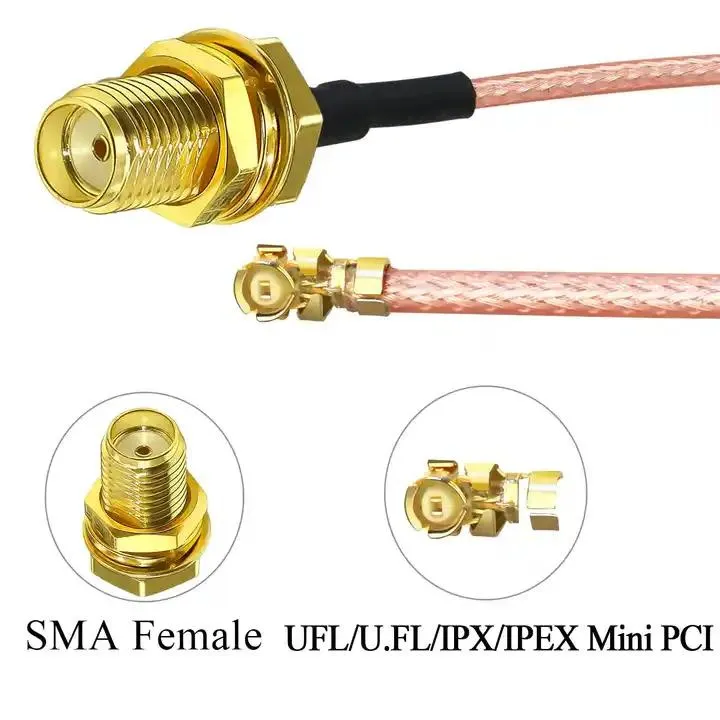
U.FL to SMA Female pigtail connected to a Mini PCIe or M.2 card, demonstrating the typical installation on a wireless module.

U.FL to SMA Pigtail Guide: Selection, Installation & Ordering Tips

Building wireless gear often comes down to the tiny details. A router may be solid, a 5G module powerful, but without the right coax pigtail between PCB and chassis, performance drops fast. That’s where the U.FL to SMA pigtail comes in. It links a delicate 2 mm U.FL socket on your Wi-Fi or LTE card to a rugged bulkhead jack on the panel, letting you screw in an external antenna with confidence. Getting the spec right—cable type, length, connector gender—saves you from wasted orders and weak signals.