We share everything about Electronic Components OEM, ODM, or private label solutions...

We continuously share and publish original articles about electronic components and OEM/ODM/private label solutions. We hope these articles provide you with valuable insights to support your private label electronic components business.

If you don’t want to miss our article, please subscribe to our newsletter. 

Schematic diagram testing the coverage range of different gain rubber ducky antennas in a corridor environment

Rubber Ducky Antenna Guide: Indoor Coverage & SMA Matching

Which rubber ducky antenna form best fits your device and space? Engineers like to joke that all rubber ducky antennas look the same—until one fails a range test. What seems like a simple plastic whip actually hides a complex balance of form, gain, and mechanical fit. The trick is not to pick the “highest dBi” but to match your enclosure, clearance, and signal path.

Chart comparing antenna gain, type, connector, and mounting style across different application scenarios (IoT gateway, rooftop AP, campus backhaul, vehicle/mobile).

Outdoor Omni Antenna: Selection, IP67 & Mounting Guide

Which outdoor omni antenna class fits your site and spectrum? Selecting the right outdoor omni antenna is less about chasing the highest gain and more about understanding your site’s geometry, signal paths, and environmental exposure. Whether you’re building a Wi-Fi mesh for a warehouse, an IoT gateway on a pole, or a small rooftop access point, the right antenna class defines long-term stability and link reliability.

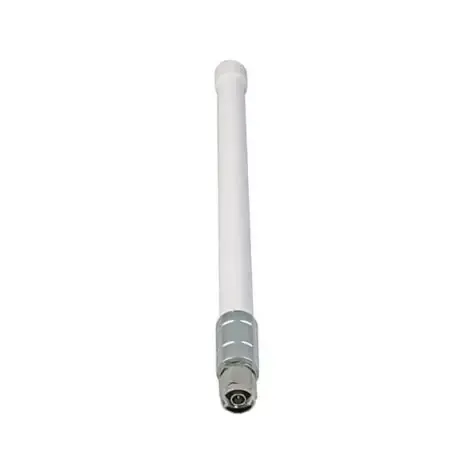
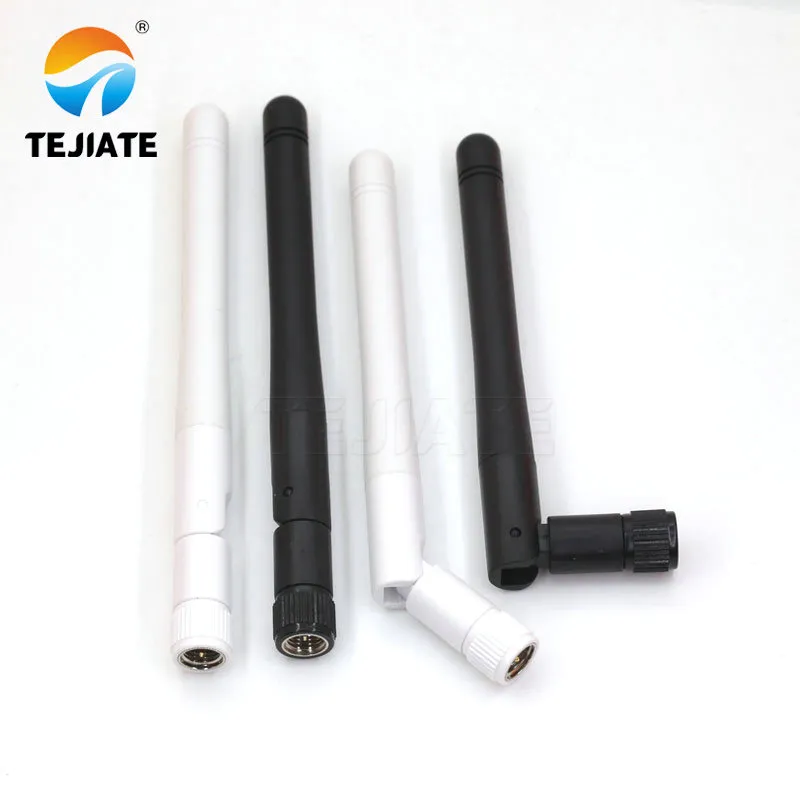
Summary display image of various TEJTE brand rubber duck antenna products

Rubber Duck Antenna Guide: Indoor Coverage, Gain & SMA Match

Which rubber duck antenna form fits your device and space? Selecting the right rubber duck antenna isn’t about guessing gain numbers from a datasheet. It’s about finding the physical form and mechanical fit that allow your Wi-Fi or IoT product to hold steady links without detuning or breakage. Engineers often underestimate how much enclosure space and connector placement shape real-world signal behavior.

A summary conceptual image representing a stable and reliable Wi-Fi network connection.

Omnidirectional Wi-Fi Antenna Selection and Coverage Optimization

When engineers talk about Wi-Fi coverage, most picture a perfect sphere of signal radiating evenly from the router. In the real world, that ideal bubble rarely exists. Walls absorb, metal reflects, and long cables steal away precious dBs. Picking the right omnidirectional Wi-Fi antenna isn’t about chasing gain; it’s about finding the balance between form, connector, and placement so your network holds steady when conditions get messy.

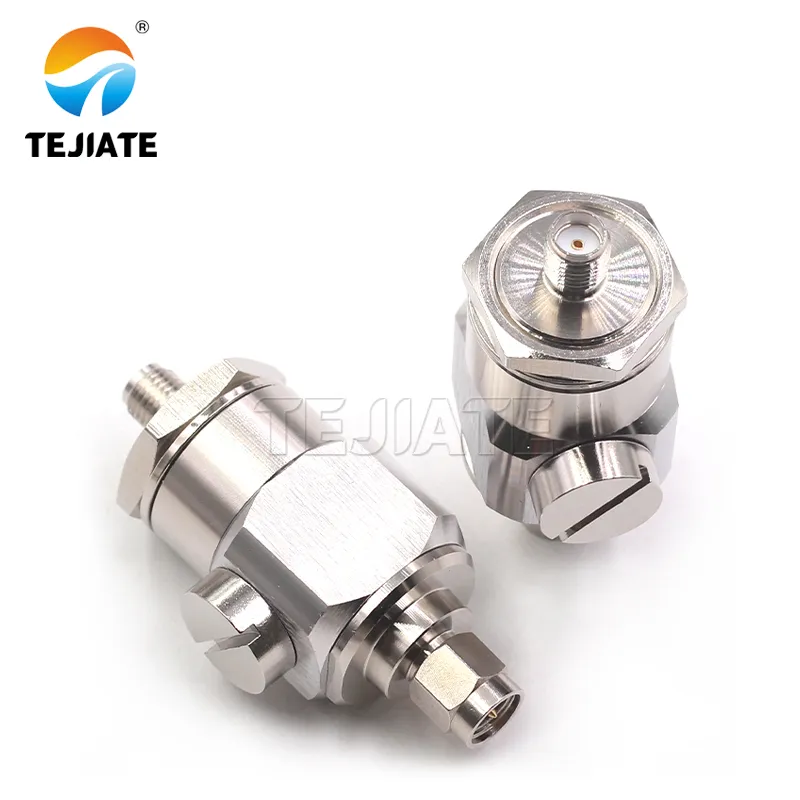
Diagram showing the correct placement of a surge arrestor (lightning protector) on an outdoor antenna feed line and its grounding path.

Outdoor Omni Antenna Guide: IP67 Rating & Mounting Tips

Outdoor omnidirectional antennas rarely get credit for the steady links they enable. They quietly sit on rooftops, masts, and gateways, making sure your network stays reachable through rain and heat. Selecting one isn’t as simple as picking a gain number from a datasheet — you’re really matching environment, durability, and signal budget for years of exposure.

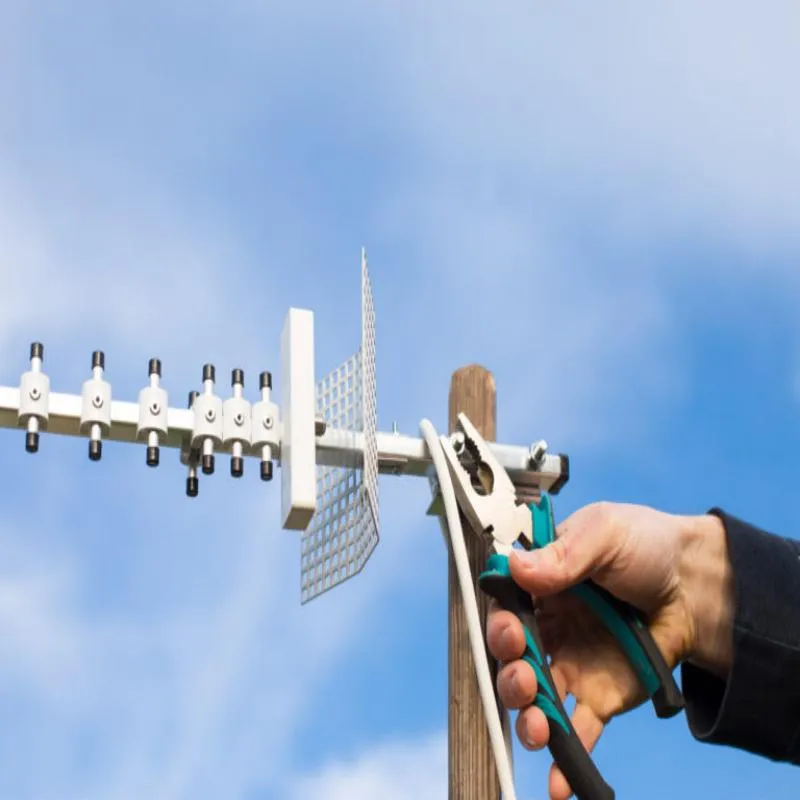
Illustration showing clearance requirements for mounting an omni antenna relative to nearby metal objects.

Omni Antenna Guide: Coverage, Gain & Installation Explained

Which omni antenna form best fits your device or site? When engineers say “omni antenna”, they often imagine a single shape covering all directions — but that’s only half the truth. The right form depends heavily on where it lives: indoor desktop, outdoor mast, or sealed inside a gateway. Choosing wrong means mismatched gain, awkward cabling, or weeks of rework.

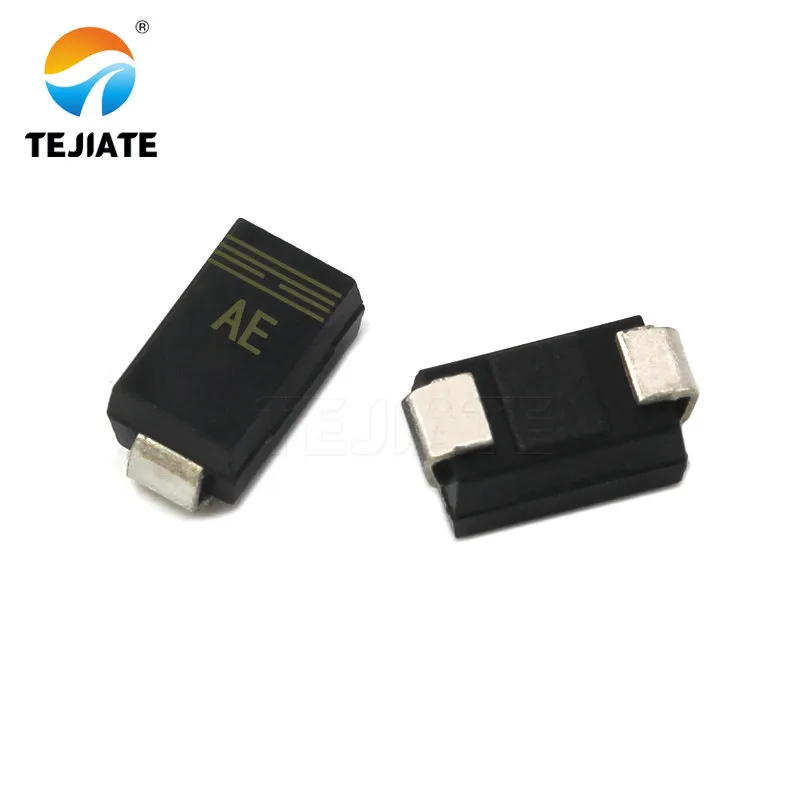
Product shot of TEJTE‘s newly launched TVS or MOV series in 2025.

Surge Protection Design for 24-V I/O Ports: MOV, TVS & Layout Guide

Which surge scenarios actually hit a 24-V I/O port? When engineers talk about surge protection for 24-V I/O ports, the first mistake is assuming the risk only comes from the power rail. In reality, transient energy finds far more creative paths. A single inductive load can kick a pulse that ricochets across multiple channels, while long field cables act as antennas during nearby switching or lightning events.

Macro photo of TEJTE SOT-23 and SOD-323 packaged TVS array modules on a PCB.

ESD Protection Diode: High-Speed Interface Practice & Layout

Introduction — Why ESD Design Still Fails at High-Speed Ports Even after decades of ESD design guides and layout notes, it’s still surprisingly easy to damage a high-speed interface with the wrong ESD protection diode.What used to work for slow GPIO lines often collapses when the data rate hits several gigabits per second. A misplaced via or an oversized TVS diode array can distort the signal eye or fail IEC 61000-4-2 testing before you even finish your prototype.In real-world projects, I’ve seen engineers install a unidirectional TVS on an HDMI port simply because “the breakdown voltage looked right.”On paper, it made sense — but on the oscilloscope, half the signal swing disappeared.

Context diagram for feeder cable selection (likely showing application scenarios for long feeders vs. short jumpers).

Outdoor Mast Mount Antenna Guide: Brackets & IP Ratings

In every outdoor deployment, a mast-mount antenna defines whether your network keeps its link stable through wind, rain, and heat. The correct mix of antenna type, bracket design, and mounting hardware determines not just RF reach but mechanical integrity. For context, TEJTE’s Wi-Fi Antenna Guide explains how 2.4 GHz and 5 GHz patterns behave when antenna height and orientation change—an insight that directly applies to mast setups.

Diagram of a wireless 2.4 GHz RF transceiver module with an SMA antenna interface

Ground Clearance Antenna Layout & 2.4 GHz Rules

Introduction — Why Ground Clearance Decides Antenna Success In every compact 2.4 GHz IoT device, the ground clearance beneath the antenna defines whether the signal travels cleanly or fades halfway across the room. As detailed in TEJTE’s Wi-Fi Antenna Guide, return-current paths and dielectric spacing have as much influence as gain numbers.

FPC Antenna Product with Spacing Illustration Photo

FPC Antenna Guide: 2.4 GHz Layout & Tuning for IoT

When you’re designing a compact Wi-Fi or IoT board, the performance of an FPC antenna quietly decides whether your signal remains solid or fades after a few meters. Layout isn’t just about sticking a flexible patch—it’s about geometry, grounding, adhesive strength, and cable routing.