We share everything about Electronic Components OEM, ODM, or private label solutions...

We continuously share and publish original articles about electronic components and OEM/ODM/private label solutions. We hope these articles provide you with valuable insights to support your private label electronic components business.

If you don’t want to miss our article, please subscribe to our newsletter. 

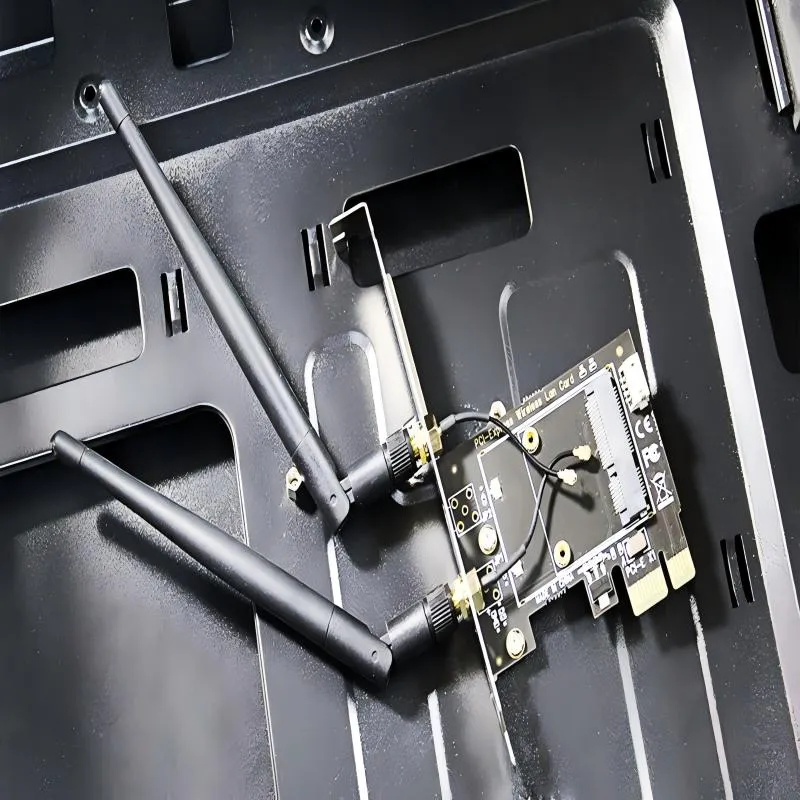
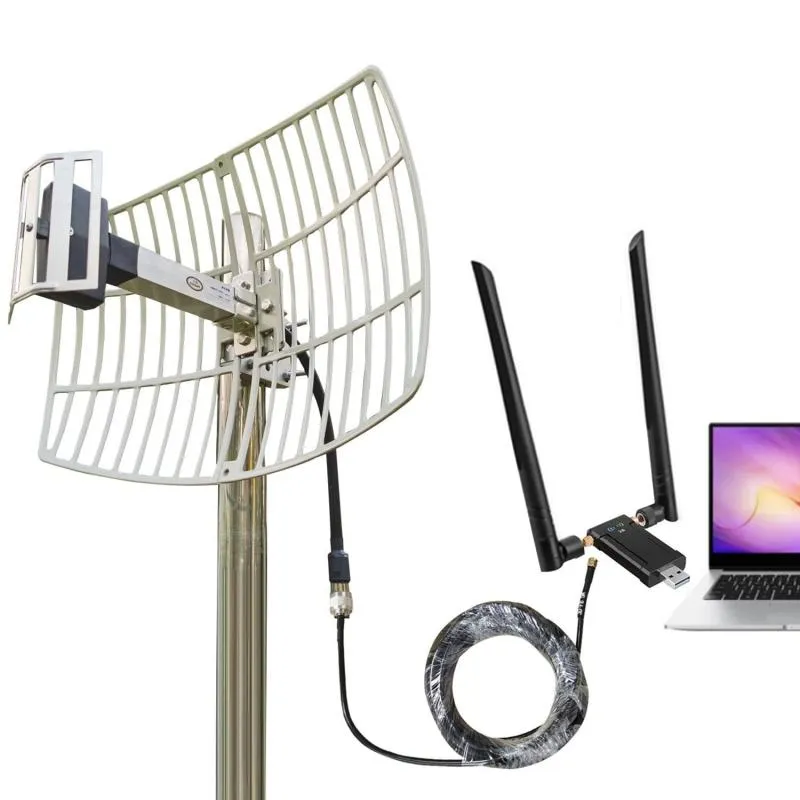
Illustration of a Wi-Fi Antenna Cable

WiFi Antenna Cable: Extension Length, Loss & End-Type Pairing

A wifi antenna cable rarely feels like a decision that deserves serious discussion. It is passive, inexpensive, and almost always added late in the design cycle—after the radio module is chosen, the enclosure is finalized, and the antenna location already looks “good enough.” That timing is precisely why antenna cable problems tend to surface only after deployment rather than during early testing.

Performance tier chart for antenna extension cables of different lengths at 5/6 GHz bands

SMA Bulkhead Cutout, Thread Length & Sealing Guide

An SMA bulkhead connector almost never looks like a failure point during design review. It’s small, passive, familiar, and usually selected after the enclosure shape and antenna choice already feel “locked.” That’s exactly why it causes trouble later. In real products, bulkhead issues rarely announce themselves with dramatic failures. Instead, they show up as small, expensive annoyances: a connector that slowly loosens, a seal that passes lab testing but leaks after a season outdoors, or a radio link that looks fine on paper yet behaves unpredictably in the field. None of these problems come from advanced RF theory. They come from mechanical assumptions that were never written down.

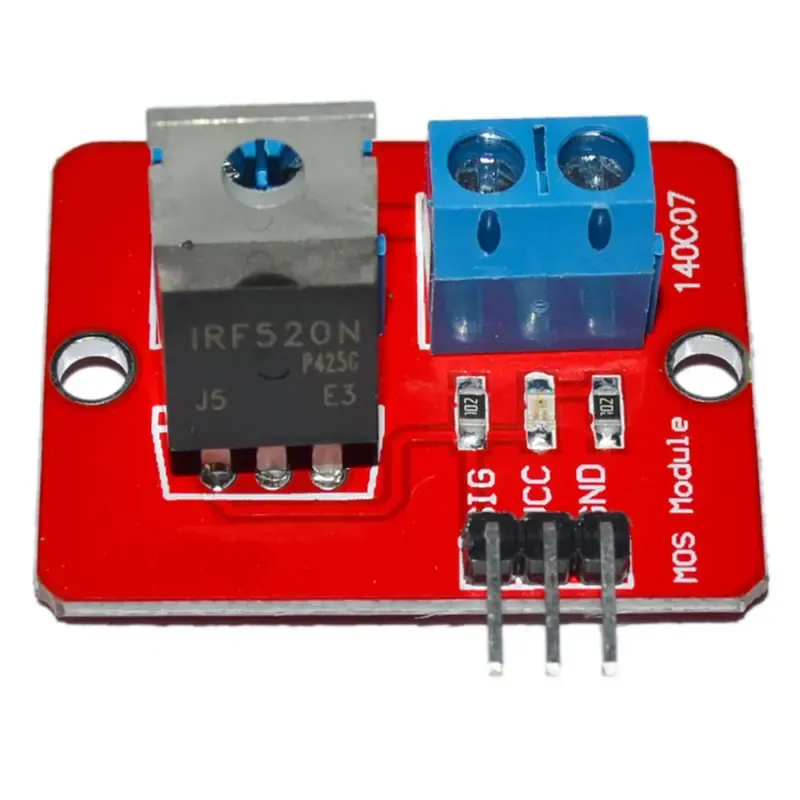
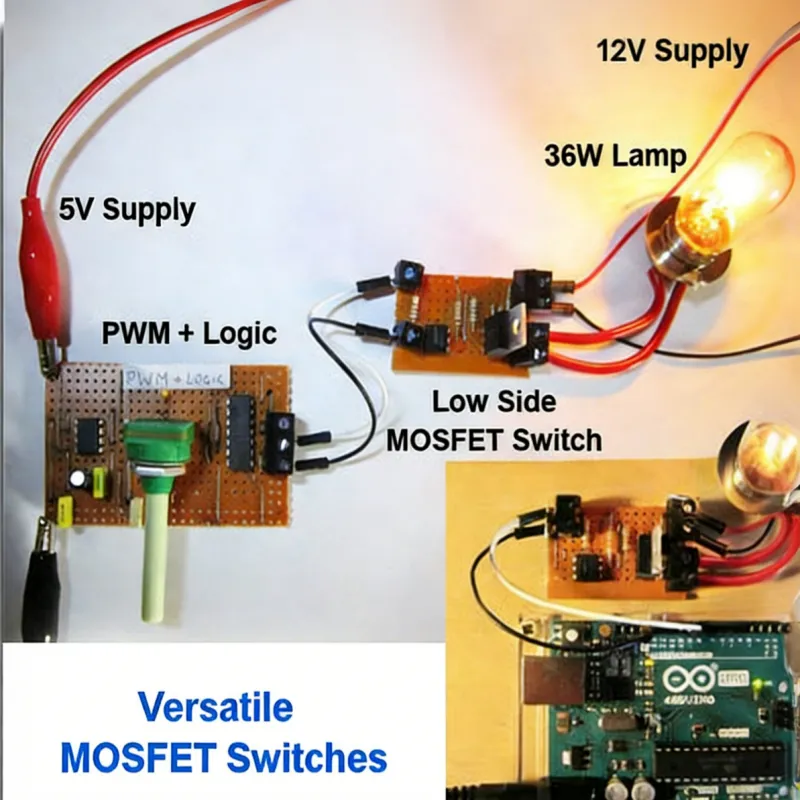
Illustration of a Logic Level MOSFET

Logic Level MOSFET Design for 3.3V and 5V Loads

A logic level MOSFET almost never feels like a decision worth debating. It’s small, inexpensive, and familiar. In most designs, it gets dropped in late—after the MCU pinout is fixed and the power rails already feel “good enough.”

PCB layout example showing MOSFET placement relative to load and MCU

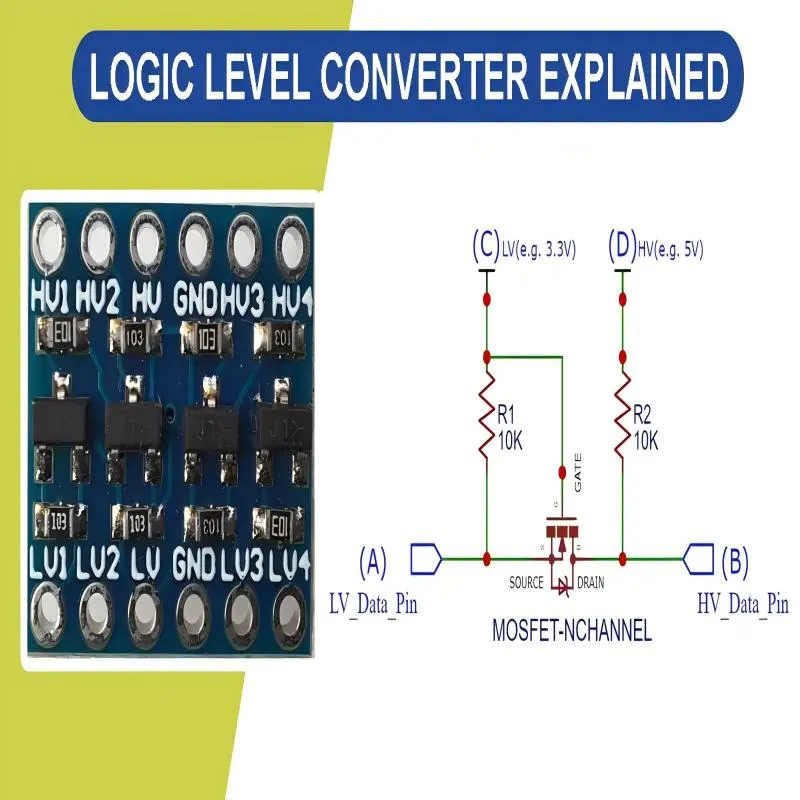
Small Signal MOSFET Selection Guide

A small signal MOSFET almost never feels like a design decision worth debating. It is small. It is cheap. It fits anywhere. Most of the time, it is added after the MCU pinout is already fixed and the power tree looks “good enough.”

Diagram summarizing SMA and RP-SMA connector types, threads, center contacts, gender, and typical uses in a visual table.

RP-SMA vs SMA: Fast ID, Matching, and Ordering

Most wireless projects do not fail because RF theory was misunderstood. They fail because a small assumption slipped through late in the build. A connector that looked right, a cable that threaded on smoothly, an extension added after the enclosure layout was already finalized—this is where RP-SMA vs SMA quietly causes trouble. On the surface, the two interfaces appear interchangeable. In practice, they are not. The difference rarely shows up as an obvious fault. Instead, it appears later, when 5 GHz throughput becomes inconsistent, when 6 GHz links lose margin first, or when field returns start coming back with the note “fits but doesn’t work.” This article focuses on practical identification and matching logic rather than formal definitions, with a simple goal: identify the port in seconds, match both ends once, and place orders without rework.

Schematic summarizing how various decision factors in extension cable selection (connector, length, bulkhead, routing) interact with each other.

WiFi Antenna Extension Cable: Length Loss & Connector Matching

A wifi antenna extension cable almost never looks like the source of a weak wireless link. It’s passive, inexpensive, and usually added late in a project—often after the enclosure, antenna choice, and even regulatory planning already feel “finished.” In real Wi-Fi systems, especially at 5 GHz and 6 GHz, that last-minute extension often decides whether a link feels stable or quietly fragile. Nothing fails outright. Instead, higher MCS rates drop first, roaming becomes inconsistent, and coverage shrinks just enough to frustrate users without pointing clearly to the cause.

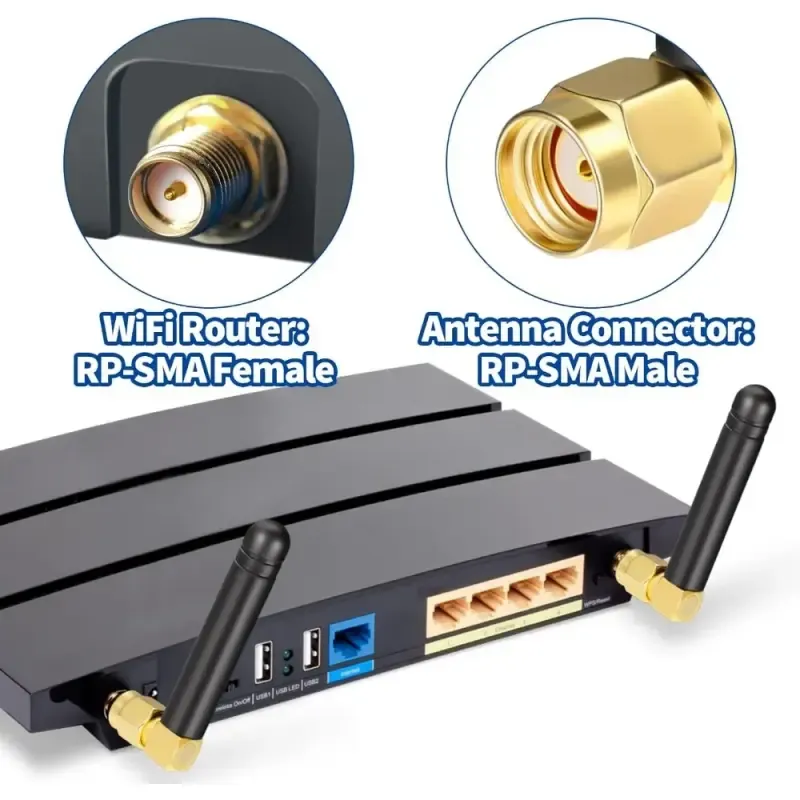
Close-up showing the physical characteristics and possible labeling of an antenna port on a Wi-Fi router or access point.

SMA Connector Identification, Bulkhead & Extension Guide

An SMA connector almost never looks like the cause of a weak wireless link. It’s small, passive, inexpensive, and usually added late in the build. Yet in real Wi-Fi and IoT systems, many performance problems trace back to the connector layer—specifically, misidentifying SMA vs RP-SMA, choosing the wrong bulkhead thread length, or extending the antenna path without accounting for loss and reflections.