We share everything about Electronic Components OEM, ODM, or private label solutions...

We continuously share and publish original articles about electronic components and OEM/ODM/private label solutions. We hope these articles provide you with valuable insights to support your private label electronic components business.

If you don’t want to miss our article, please subscribe to our newsletter. 

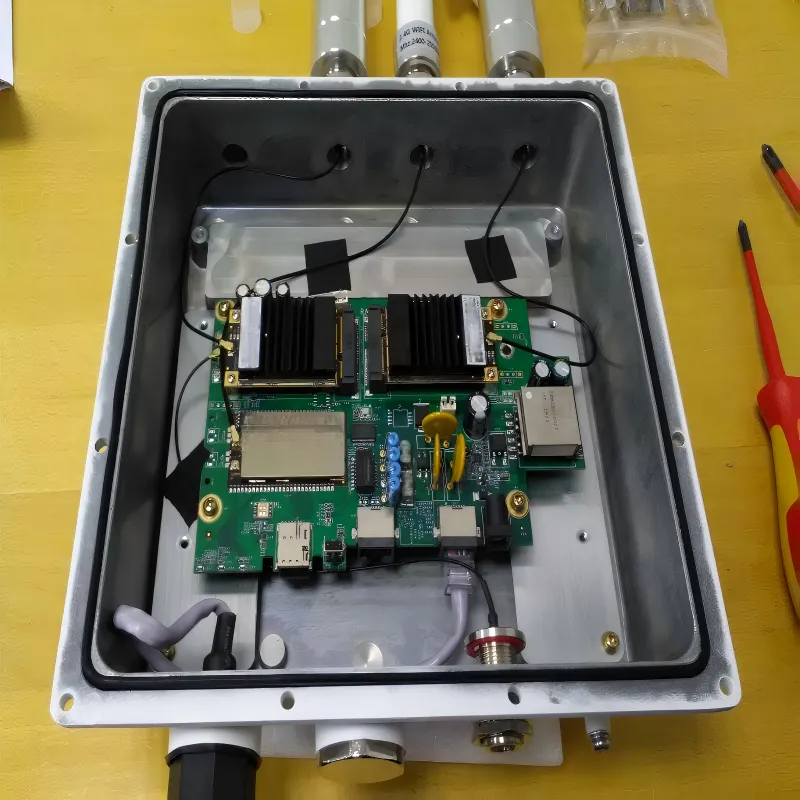
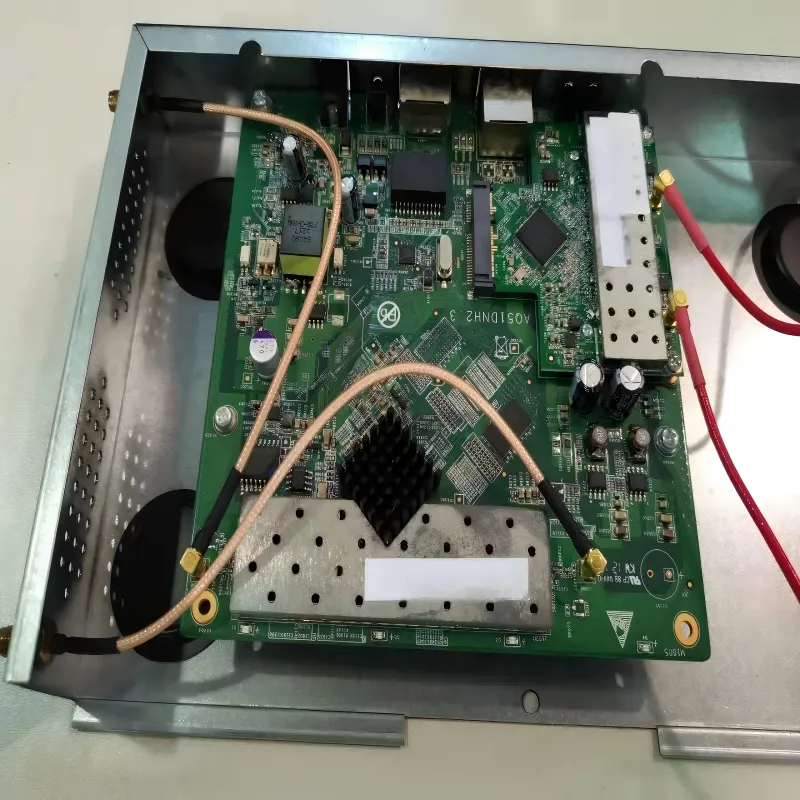
Diagram showing the typical position of RG316 within an RF chain: between RF chip/module and panel connector.

RG316 Coaxial Cable Specs, Loss & Uses

In RF projects, cable choices rarely get the attention they deserve. Antennas spark debate. Radios trigger simulations. Enclosures go through endless revisions. The cable? It usually slips in late, chosen because it fits. That’s where rg316 coaxial cable quietly enters the picture.
Conceptual image illustrating that the SMA coax cable is often an overlooked design decision, added late in the project cycle.

SMA Coax Cable for RF Jumpers and Antennas

Introduction The sma coax cable is rarely treated as a design decision. In most RF projects, it appears after the antenna has been selected, after the radio has already passed early testing, and after the enclosure layout feels mostly settled. At that point, the cable is expected to behave like a neutral link—short, passive, and unlikely to influence system performance in any meaningful way. That assumption holds just long enough to become dangerous.

Diagram showing how an MCX connector is mounted on a compact RF board and routes the signal to an external interface.

MCX Cable Guide for Compact RF Hardware and SMA Transitions

Compact RF and video products rarely fail because of headline components. They fail in the gaps between them. The mcx cable lives in one of those gaps. It is short, flexible, and often treated as internal wiring rather than part of the RF signal path. That assumption is where problems usually begin.

Conceptual image illustrating that MMCX cables are often overlooked and specified late in RF hardware projects.

MMCX Cable Guide for RF Modules and SMA Transitions

In most RF hardware projects, the mmcx cable isn’t discussed early. Not because it’s unimportant—but because it looks harmless. It’s passive. It’s small. And it usually gets specified after the RF module, antenna strategy, and enclosure layout already feel “good enough.” By that point, attention has moved on.

Comparison chart or side-by-side photo showing the physical and electrical differences between RG174, RG316, and RG58 coaxial cables used in SMA assemblies.

SMA RF Cable: Length, Loss Planning, and Practical Design

An SMA RF cable usually enters a project quietly. No one argues about it in early design reviews. It isn’t simulated with the same care as the antenna. It doesn’t get a block in the system diagram. Most of the time, it’s added after the radio works and the enclosure already looks finished.

Deployment diagram of an SMA male to N male cable connecting a cellular router indoors to an N-type antenna on a cell tower outdoors.

SMA to N Cable Guide for Outdoor Antennas and RF Feedlines

In most RF projects, the SMA to N cable doesn’t show up on the first schematic. Engineers usually start with the radio, the antenna, and the enclosure. Only later—often when the hardware is already built—does the mismatch become obvious: the device speaks SMA, while the rooftop hardware expects N-type.

Photograph showing a problematic chain of multiple adapters connected in series.

SMA to BNC Adapter Selection Guide for RF Labs

In RF labs and radio projects, interface problems almost never announce themselves clearly. Signals still pass. Instruments still lock. Measurements look “reasonable enough” to move forward. Then someone touches the cable, rotates the adapter slightly, or swaps instruments—and the numbers shift.

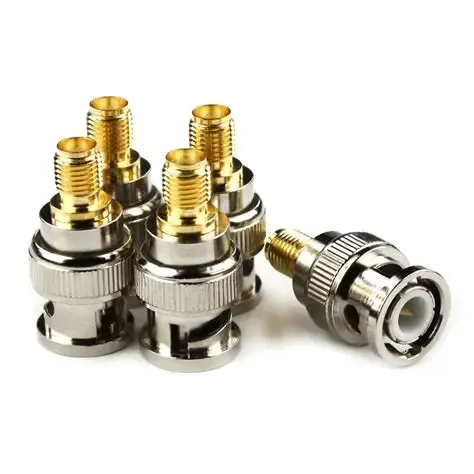
Close-up photograph of an SMA female to BNC male adapter.

BNC Cable Selection Guide for Video, CCTV, and RF Test

In most systems, the bnc cable is never the first thing specified. Engineers focus on the camera model, the recorder, the test instrument, or the RF module. The cable is added later, often pulled from whatever inventory already exists. On paper, that makes sense. In practice, it’s where margins quietly disappear.

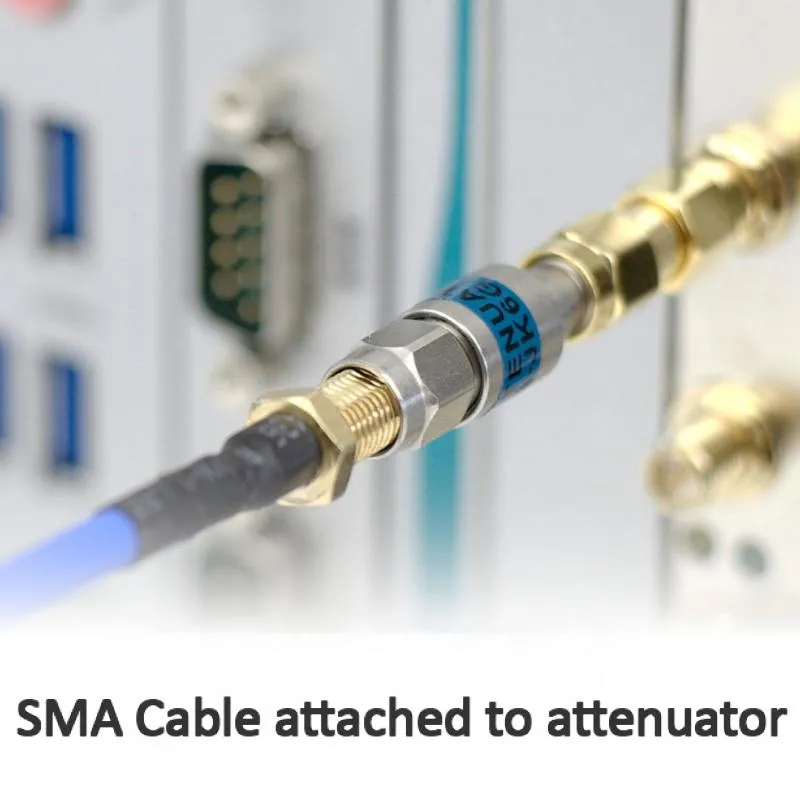
SMA cable connecting a test instrument to an attenuator.

SMA Cable Selection Guide for RF and Antenna Systems

In RF systems, failures rarely announce themselves clearly. The radio powers up. The antenna is connected. The link works—at least at first. Then range feels inconsistent. Higher data rates drop sooner than expected. Small changes in routing suddenly matter.

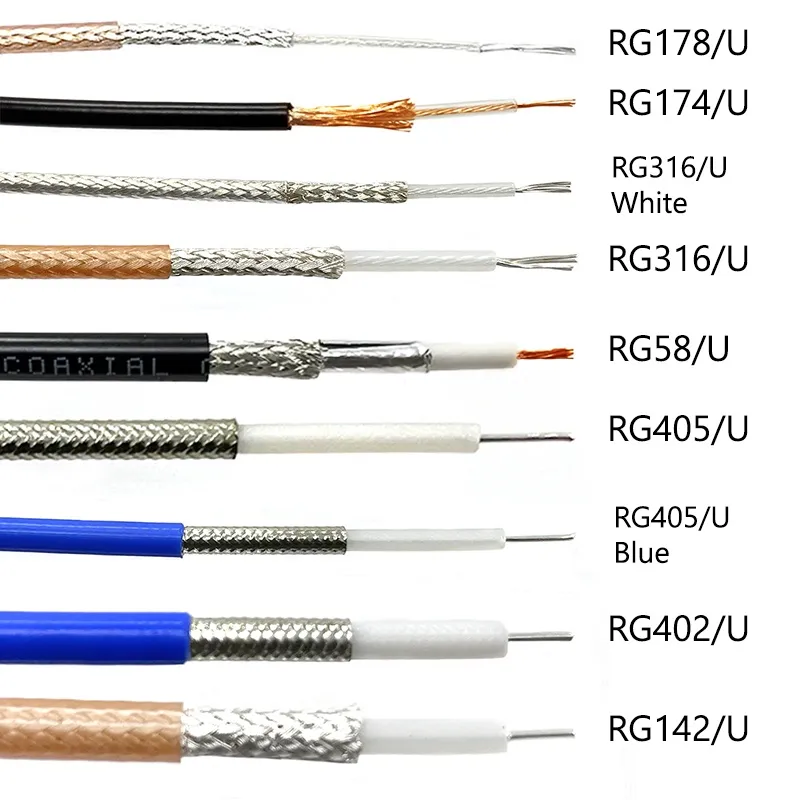
Comparison chart of RG316 against other RG cable types (RG174, RG58, RG405, etc.)

RG316 Cable Internal Routing & High-Temperature Reliability

In most hardware projects, RG316 cable is not selected because it is optimal. It is selected because it fits. The enclosure is already constrained, the RF path is already defined, and something flexible is needed to connect two fixed points. RG316 is thin enough, heat resistant enough, and familiar enough, so it gets used.

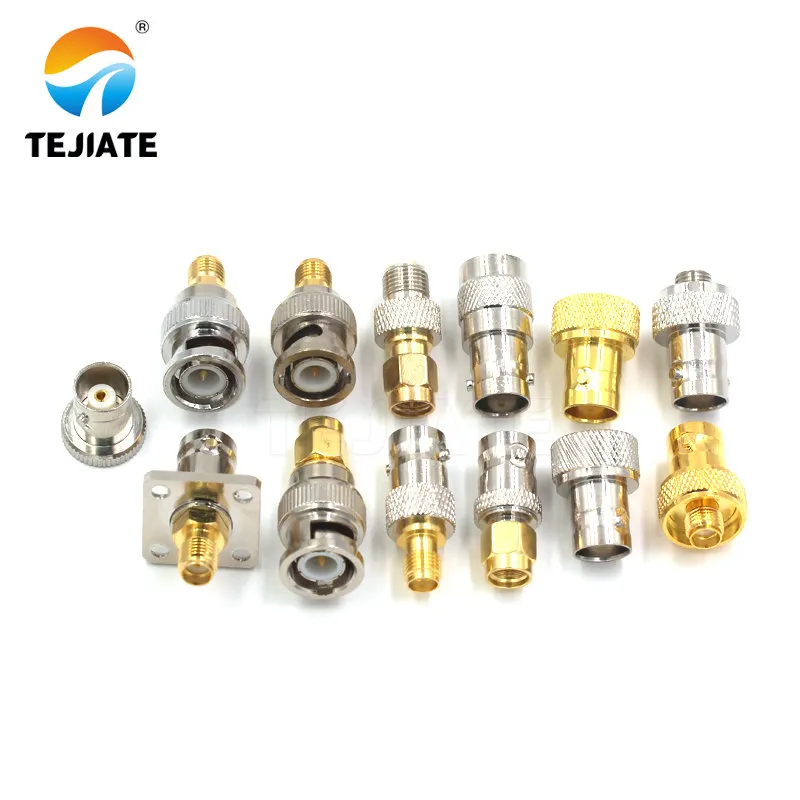
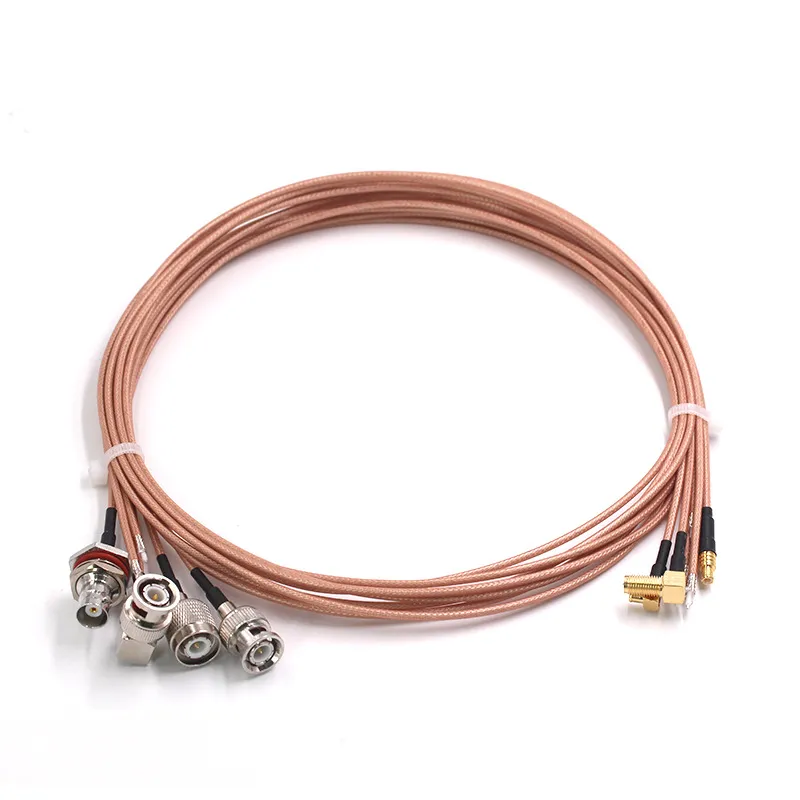
Collection image of RG316 jumpers with various connector types

RG316 Coax Cable Jumpers: Length & Loss

RG316 coax cable jumpers rarely get much attention during early design reviews. They’re small, flexible, inexpensive, and usually added after the radio, antenna, and enclosure already feel “locked in.” That timing is exactly why they cause trouble later.