We share everything about Electronic Components OEM, ODM, or private label solutions...

We continuously share and publish original articles about electronic components and OEM/ODM/private label solutions. We hope these articles provide you with valuable insights to support your private label electronic components business.

If you don’t want to miss our article, please subscribe to our newsletter. 

Diagram showing an RG316 coaxial cable used as an internal jumper between an RF module and a panel connector

RG316 Coaxial Cable Selection & Use Guide

In RF systems, small decisions rarely look dangerous at first. The radio works. The antenna matches. Early tests pass. Then someone adds a short jumper between a module and a panel connector. It’s only 20 or 30 centimeters. What could go wrong?

Diagram showing an SMA adapter cable connecting an RF module to a panel-mount SMA bulkhead

SMA Adapter Cable Selection & Routing Guide

RF systems rarely collapse because of one dramatic mistake. More often, performance erodes quietly. A link that once had comfortable margin starts behaving inconsistently. A return loss curve shifts slightly after installation. Someone tightens a connector, and the numbers drift.

Side-by-side comparison of SMA and N connector genders, showing male (pin) and female (socket)

SMA to N Connector Selection & Installation Guide

An SMA to N connector looks deceptively simple. Two threads. A center conductor. A mechanical coupling nut. Nothing exotic. Yet in real RF systems, this small interface often sits at a critical boundary — the line between compact equipment and full-scale infrastructure. When a rooftop antenna underperforms, when a test bench reading drifts, or when a field installation degrades months later, the root cause is frequently hiding inside that transition.

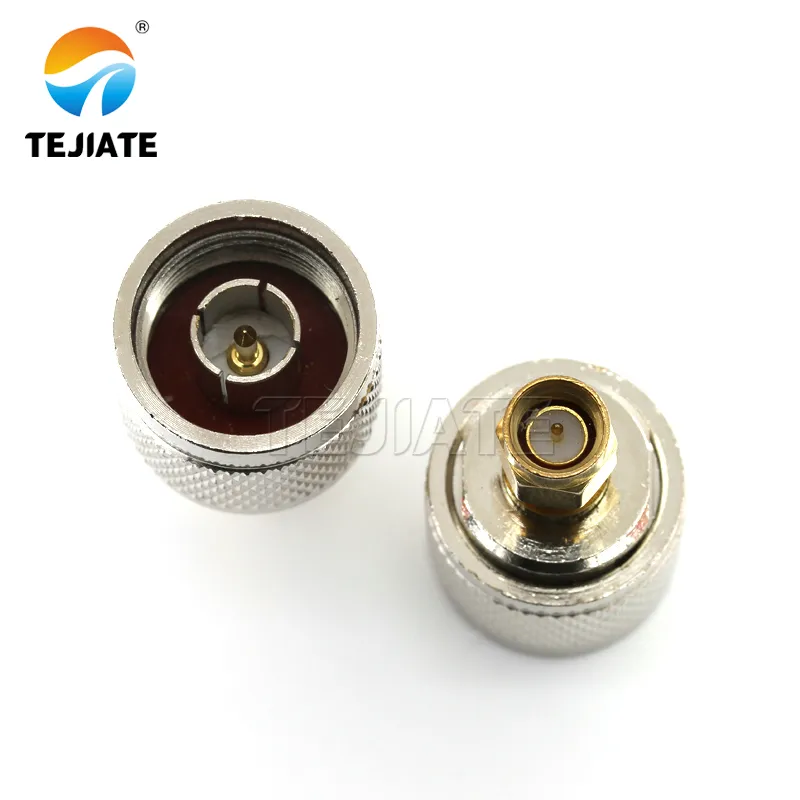
Rigid SMA to N adapter (metal barrel) for direct connection

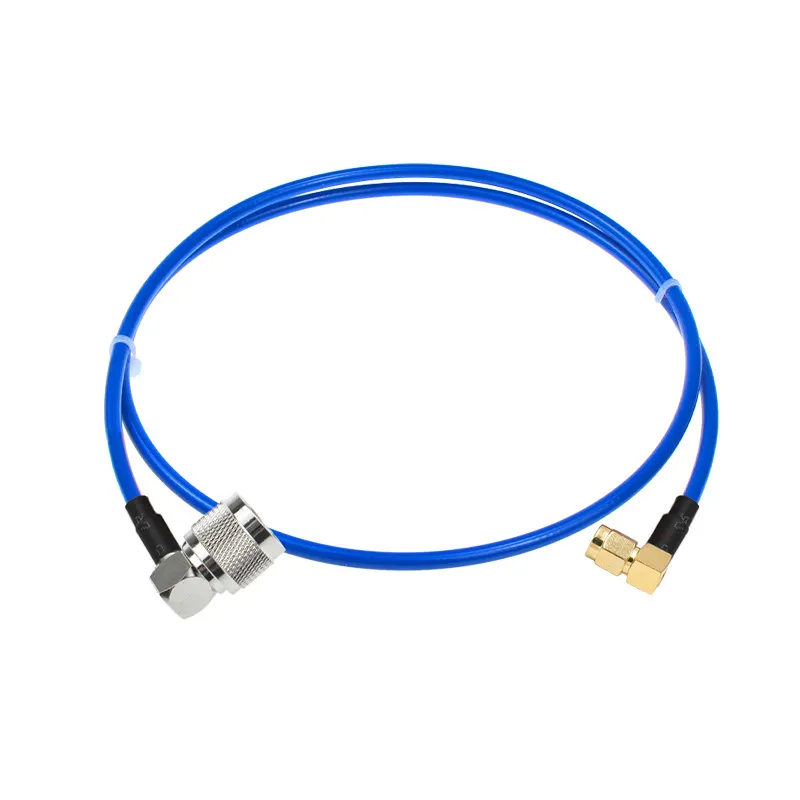
SMA to N Cable Selection and Application Guide

Where does an SMA to N cable actually sit in a real RF system? Most RF systems don’t start with a connector transition problem. They start with a radio and an antenna. The radio works. The antenna is specified. Early bench tests look fine.

Comparison of different RF coaxial cable families: RG58, RG316, LMR-240, LMR-400

RF Coaxial Cable Selection and Application Guide

In most RF projects, the coaxial cable shows up late. The radio is chosen first. The antenna gets tuned. Early bench tests pass using whatever jumper happens to be on hand. At that point, nobody is worried about the rf coaxial cable. It “works,” so it fades into the background.

Modern 50 ohm coaxial cable assembly with SMA connectors, showcasing flexible construction

50 Ohm Coaxial Cable Selection and Application Guide

In RF systems, cables are almost never the first suspect. When performance slips, engineers usually look at radios, antennas, firmware timing, or calibration data. The 50 ohm coaxial cable sitting between them tends to be treated as passive background hardware—assumed correct as long as continuity exists.

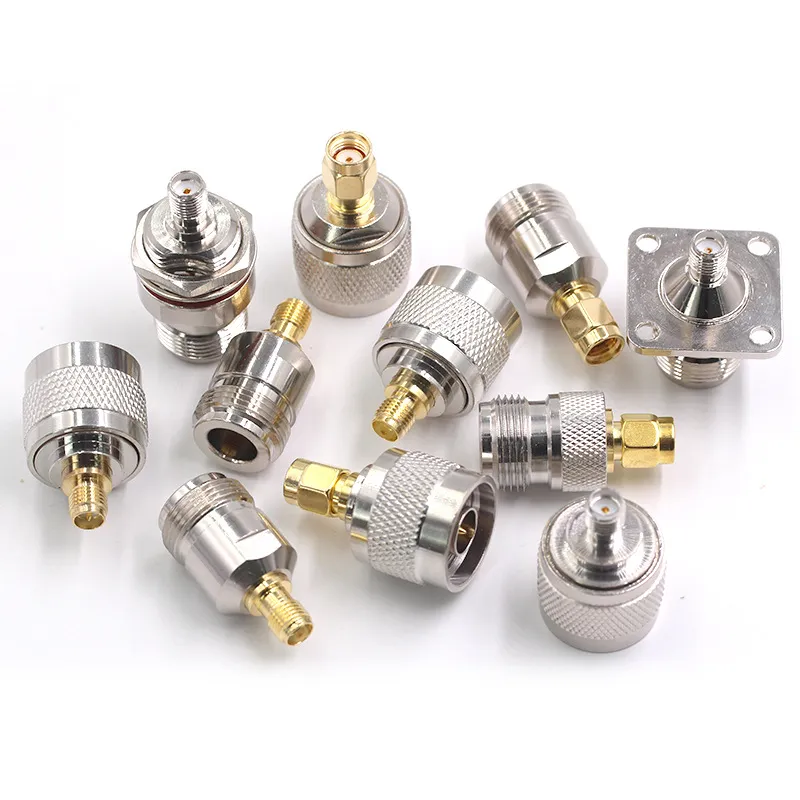
Various rigid SMA adapters (male-female, right-angle, bulkhead)

SMA Adapter Cable Selection and Routing Guide for RF Systems

In RF hardware, some of the most consequential decisions are also the quietest ones. An sma adapter cable rarely appears on the first schematic. The radio links, the antenna is specified, and early bench tests pass without complaint. Only later—often during enclosure design, field preparation, or procurement review—does someone notice a connector mismatch or a mechanical constraint that needs “just a short cable.” That short cable then becomes permanent. Once installed, an SMA adapter cable is no longer a convenience item. It becomes part of the RF signal chain, shaping insertion loss, impedance continuity, mechanical stress paths, and long-term serviceability. Designs that look electrically solid on day one can drift over time because of how that adapter cable is chosen, routed, and handled. This guide treats the sma adapter cable as a deliberate engineering element rather than an afterthought, focusing on where it belongs in the signal chain, when it solves real problems, and when it quietly creates new ones.

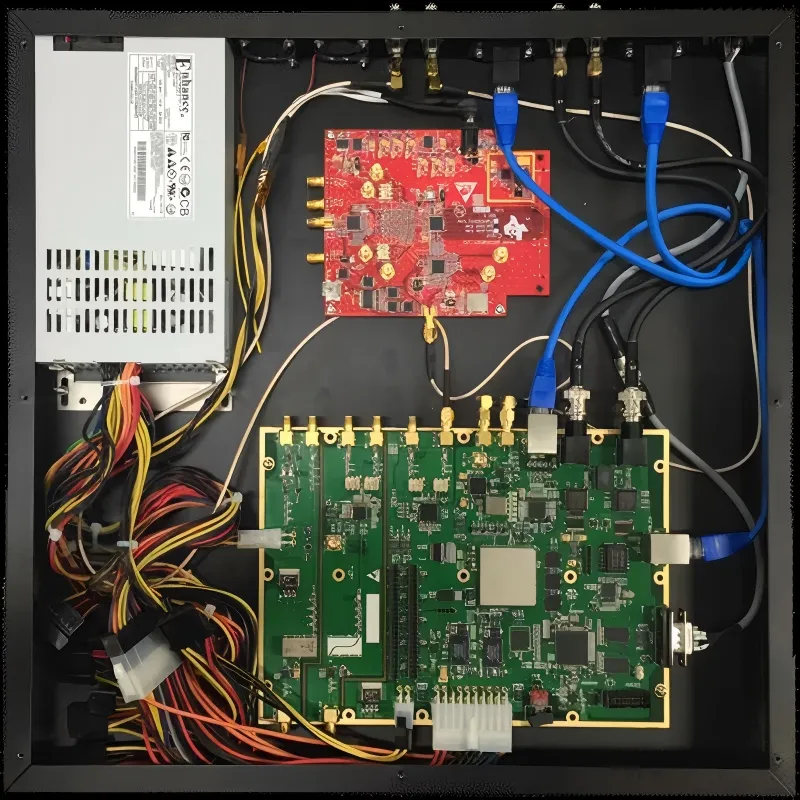
MMX to SMA cable assembly (note: MMX is likely MMCX)

MMCX to SMA Cable Selection and Routing Guide

In many RF designs, cable selection happens after the radio and antenna are already chosen. At that stage, the link normally works and early measurements are acceptable. A common case is a module with an MMCX connector that needs to connect to an SMA antenna port on the enclosure. The typical solution is to use an mmcx to sma cable. From that point on, the cable is part of the RF path. It adds loss, adds connector interfaces, and introduces mechanical load that was not present during early testing. In compact products such as GNSS trackers, LTE modules, Wi-Fi devices, drones, and wearables, these factors often affect long-term stability more than initial link margin. This document focuses on practical selection and routing of an mmcx to sma cable in production hardware.

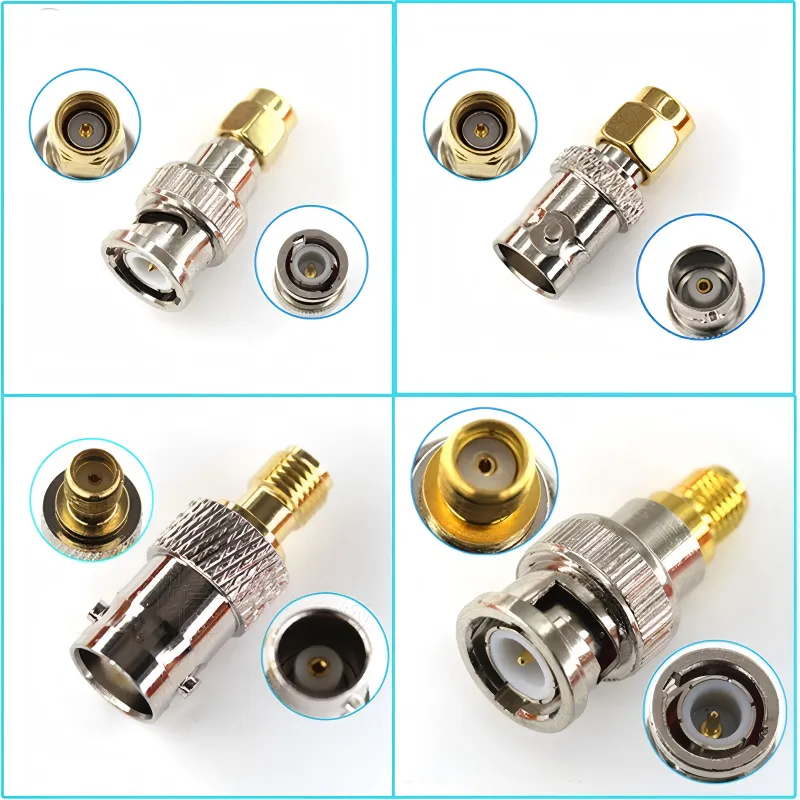
Illustration showing various RF connector types (SMA, BNC, N, MMCX) and how adapter cables bridge mismatches

RF Adapter Cable Guide for RG316

Map RF adapter cables into your signal chain In many RF systems, adapter cables don’t show up on the first schematic. The radio already links. The antenna choice feels “locked.” Early bench tests pass using whatever cable happens to be available. Only later—during enclosure design, regulatory testing, or field deployment—does the rf adapter cable become a conscious decision.