
Cable Coaxial CB & Ham Radio Guide: Best CB Coax Cable
Aug 18,2025
Introduction
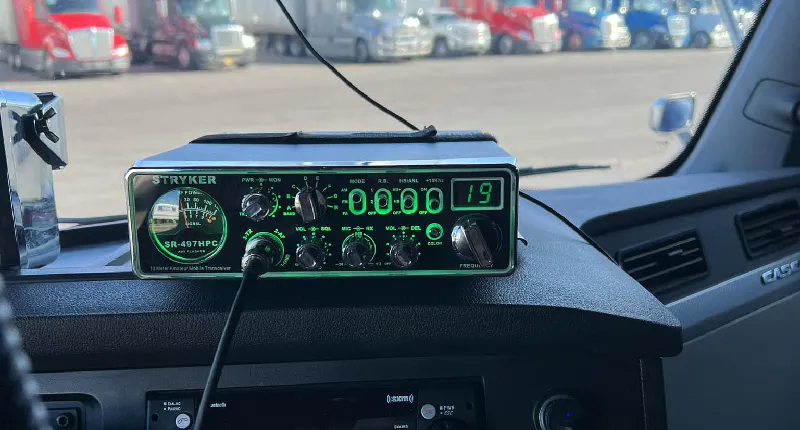
This image highlights how coaxial cables are essential in car radio systems, providing stable transmission between the transceiver and the antenna for reliable CB or ham radio communication.
For CB radio or ham radio, the choice of coaxial cable isn’t just a technical detail—it’s the lifeline of your signal. You can invest in a powerful transceiver or a perfectly tuned antenna, but if the CB radio coax cable is poor quality, your station will suffer from noise, high loss, or mismatched impedance. That’s why seasoned operators often say: a radio setup is only as good as its coax.
In this guide, we’ll walk through the essentials of cable coaxial CB and coaxial cable for ham radio users. You’ll see clear comparisons such as RG58 vs RG8X, find out why many operators consider RG8X the best CB coax cable, and learn when it’s acceptable to use 75-ohm coax instead of 50-ohm.
We’ll also cover practical questions radio enthusiasts often ask:
- What is the best CB coaxial cable?
- Does the length of a CB antenna cable matter?
- What coaxial cable is used for ham radio?
- Which is better, RG58 or RG8X?
To keep things actionable, this guide includes loss charts, coaxial cable types tables, and connector overviews—whether you’re wiring a CB antenna cable for a trucker’s highway chat or setting up a ham radio coax cable for DXing on 2m and 70cm. And if you need adapters or replacements—like a PL-259 to SMA or N-type—brands such as TEJTE provide high-quality solutions to make your connections reliable.
What is a CB and Ham Radio Coaxial Cable?
A coaxial cable (often shortened to coax) is the transmission line that carries RF energy between your radio and antenna. For both CB radio coax cable and ham radio coaxial cable, it’s the critical link that determines how much of your signal actually makes it to the antenna—and how much interference gets kept out.
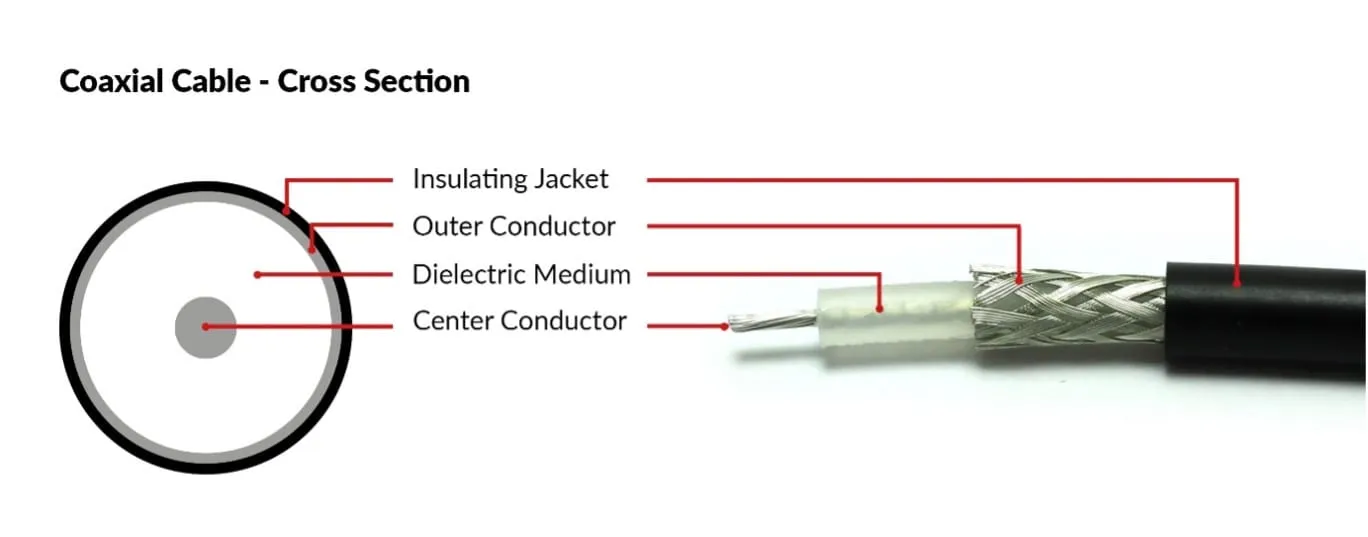
This image explains how coaxial cables are designed to carry RF signals with minimal loss. Each layer—conductor, insulator, shield, and jacket—plays a critical role in ensuring signal integrity and reducing interference.
Structurally, a coax cable has four key layers:
- Center conductor – carries the RF signal.
- Dielectric insulation – keeps spacing consistent to control impedance.
- Shielding – blocks unwanted noise and interference.
- Outer jacket – provides protection from abrasion, heat, and weather.
In CB radio systems (27 MHz), coaxial cable connects the transceiver to the CB antenna cable, almost always designed for 50-ohm impedance. For ham radio operators, coax has to work across multiple frequency bands—HF, VHF, and UHF—so the balance between signal loss, flexibility, and power handling becomes much more important.
Most radios are built for 50Ω coax, but many people wonder: what happens if you use 75 ohm coax instead of 50 ohm? The short answer: it creates an impedance mismatch. In low-power receive-only setups, such as using TV-grade RG6 for a scanner, it can still work. But for transmitting, especially at higher power, it’s safer to stick with 50-ohm coaxial cable for ham radio or CB use.
This is why understanding the difference between 50Ω vs 75Ω coax is so important—using the wrong one may mean wasted power, higher SWR, and weaker signals.
50Ω vs 75Ω Coaxial Cable
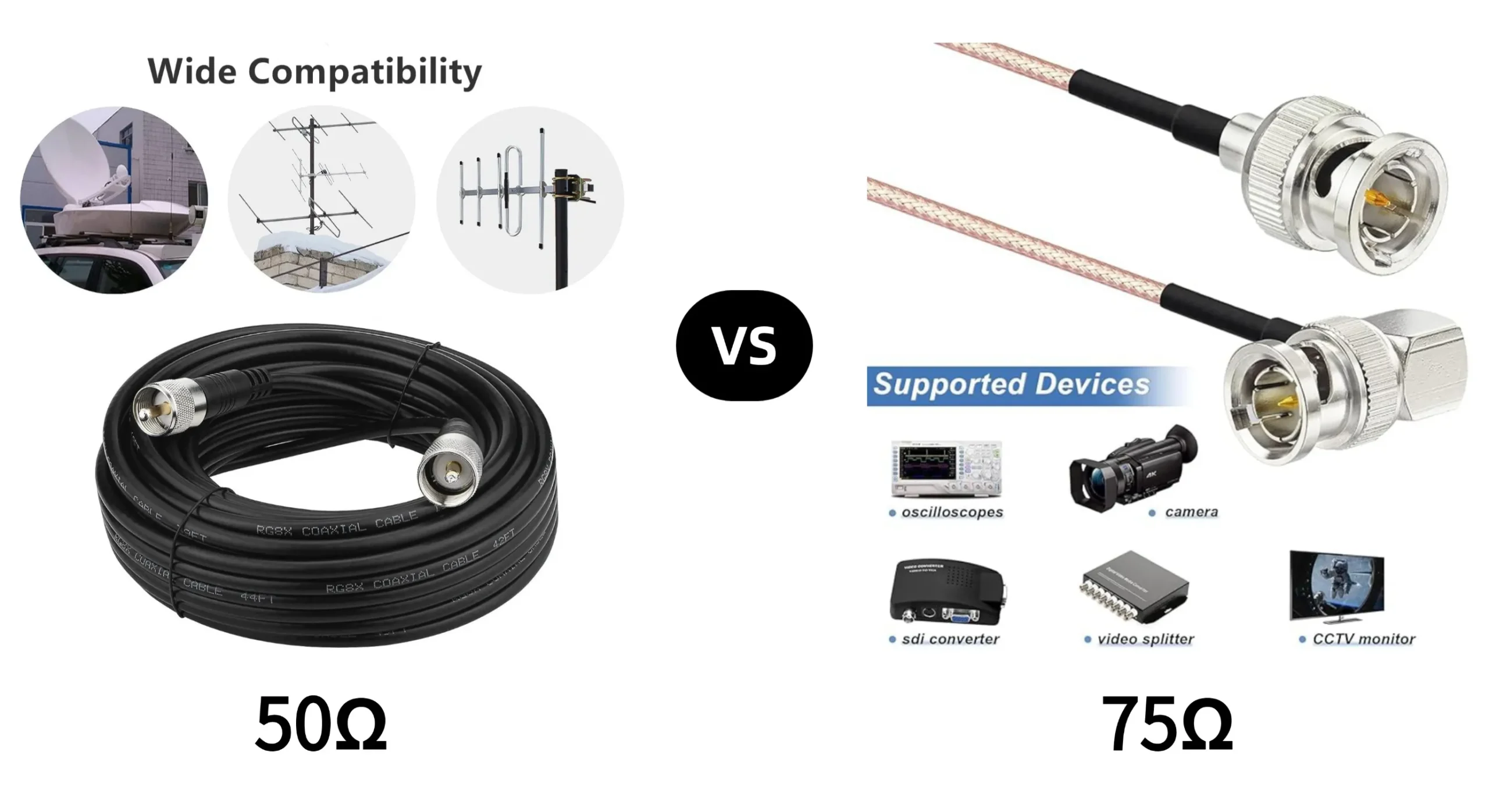
The image clarifies why CB and ham radios use 50Ω coaxial cables while 75Ω is common for TV and satellite systems.
Ask any radio operator and you’ll hear this debate: 50 ohm or 75 ohm? The truth is, the difference isn’t just a number on paper—it changes how well your system works.
A 50Ω coaxial cable is the standard for CB radios and ham radio setups, because it matches the impedance of the radios and antennas. That match lets power flow smoothly from the transmitter to the antenna. A 75Ω coaxial cable, on the other hand, is what you’ll see on TV and satellite gear. It’s great for carrying signals, but not designed for transmitting power, which is why it causes mismatches in radio systems.
Table 1. 50Ω vs 75Ω Coaxial Cable
| Feature | 50 Ω Coax (CB/Ham) | 75 Ω Coax (TV/Satellite) |
|---|---|---|
| Primary Use | CB radios, ham radios, RF gear | TV, satellite, CCTV |
| Power Handling | Higher, made for transmit power | Lower, signal-only systems |
| Loss at High Freq | Slightly higher | Slightly lower |
| Impedance Match | Perfect for radios | Mismatch in CB/Ham setups |
Quick tip: If you’re running a CB antenna cable or any coaxial cable for ham radio, stick with 50Ω. Save 75Ω coax for TV or scanner use.
Common Types of Coaxial Cables for CB & Ham Radio
When it comes to coax, one size definitely doesn’t fit all. The type of CB radio coax cable or ham radio coaxial cable you choose will decide how much power gets to your antenna—and how much is lost as heat.
Here are the ones you’ll bump into most often:
- RG58 – Slim, cheap, bends easily. Works for short CB runs, but losses stack up fast at VHF/UHF.
- RG8X – Often called the “best CB coax cable” because it balances size, price, and performance. A step up from RG58 without being as bulky as RG213.
- RG213 / RG8 – Thick, heavy-duty coax. Great for ham operators on HF or anyone running high power. Lower loss, but harder to route.
- LMR-400 – The modern low-loss favorite. Excellent for ham radio coax cable types on 2m/70cm, repeaters, or satellite work.
- RG6 / RG11 (75Ω) – TV cables. Not ideal for transmitting, but hams sometimes repurpose them for scanners or receive-only setups.
If you’re wondering Which is better, RG58 or RG8X? the answer is simple: RG8X almost every time. It’s considered the best CB coax cable for mobile and base stations alike.
Table 2. Common CB & Ham Coax Cable Types
| Cable Type | Impedance (Ω) | Diameter | Power Handling | Loss @ 100 MHz (per 100 ft) | Typical Use Case |
|---|---|---|---|---|---|
| RG58 | 50 Ω | 0.195 in | Low | ~4.5 dB | Short CB runs, mobile installs |
| RG8X | 50 Ω | 0.242 in | Medium | ~3.0 dB | Best all-around CB coax, ham base stations |
| RG213 | 50 Ω | 0.405 in | High | ~1.5 dB | Ham HF/VHF, long runs |
| RG6 | 75 Ω | 0.275 in | Low | ~2.8 dB | TV, satellite, RX-only ham use |
| RG11 | 75 Ω | 0.405 in | Medium | ~1.5 dB | Long TV runs, receive setups |
| LMR-400 | 50 Ω | 0.405 in | High | ~1.5 dB | Modern ham radio, repeaters, 2 m/70 cm |
Quick Takeaways
- For CB radio coax cable, RG8X is almost always the best balance of price, loss, and flexibility.
- For ham radio coaxial cable at HF, RG213 is reliable and durable.
- For VHF/UHF ham bands (2m/70cm), LMR-400 is the better option to keep loss down.
- RG58 works in short runs but is outdated if you want strong signals.
So, if you’re wondering what is the best coaxial cable for CB antenna? — the short answer is RG8X for most installs. If you need longer runs or higher frequencies, step up to LMR-400 or RG213.
Cable Loss & Length Considerations
Every coaxial cable introduces attenuation (signal loss)—and both frequency and length play a huge role in how much you lose.
So, does the length of a coax cable matter for a CB radio? The short answer is yes. The longer the run, the more loss you’ll get. For example, 25 feet of RG58 on CB might be fine, but stretch that to 100 feet and you’ll notice weaker signals.
For CB radio coax cable at 27 MHz, loss is generally small, so even long runs are often acceptable. That’s why many truckers and base stations can get away with 50–100 feet of CB antenna cable without major issues.
But for ham radio coaxial cable, especially on VHF (144 MHz) and UHF (440 MHz), losses skyrocket with poor cable. A 100-foot run of RG58 could wipe out half your signal on 70cm. That’s why operators who care about performance move to RG213 or LMR-400—these cables keep attenuation much lower. On higher bands, LMR-400 is often considered the best coax for 2m/70cm.
Table 3. Ham Radio Coax Loss Chart (per 100 ft)
| Frequency | RG-8X Loss | RG-58 Loss | RG-213 Loss | LMR-400 Loss |
|---|---|---|---|---|
| 27 MHz (CB) | ~0.5 dB | ~0.4 dB | ~0.2 dB | ~0.2 dB |
| 144 MHz (2 m) | ~2.0 dB | ~1.0 dB | ~0.7 dB | ~3.0 dB |
| 440 MHz (70 cm) | ~4.0 dB | ~2.5 dB | ~1.5 dB | ~6.0 dB |
Key Insights
- For CB coaxial cable, length matters less since the frequency is low. You’ll still want to avoid unnecessary slack, but 50–75 ft isn’t a deal-breaker.
- For ham radio coax cable, length matters a lot more—especially on VHF/UHF. A 100-ft run of RG58 can kill your signal, while LMR-400 keeps you strong.
- The general rule: keep runs as short as possible, and use the lowest-loss coax you can reasonably afford.
Connectors for CB and Ham Radio Coax
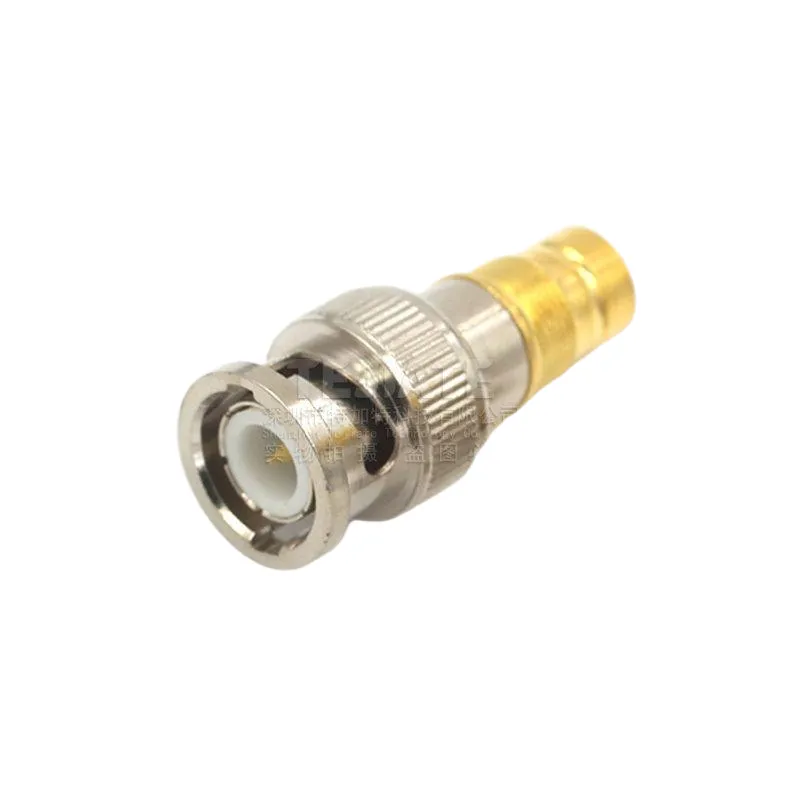
The BNC connector is versatile, available in both 50Ω and 75Ω versions, making it common in many RF applications.
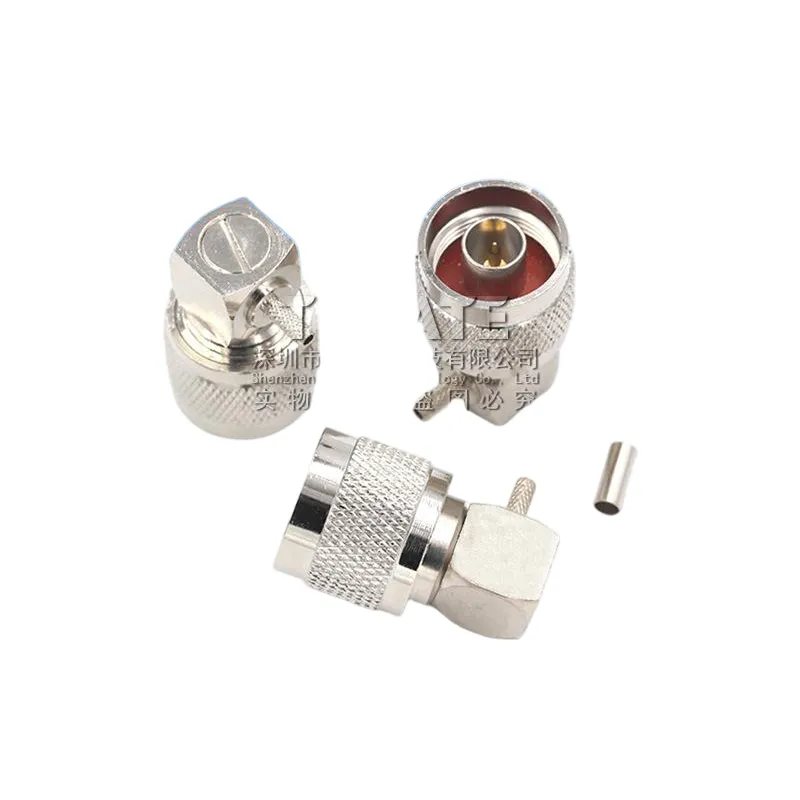
The N-type connector is essential for outdoor ham radio setups, repeaters, and high-frequency base stations.

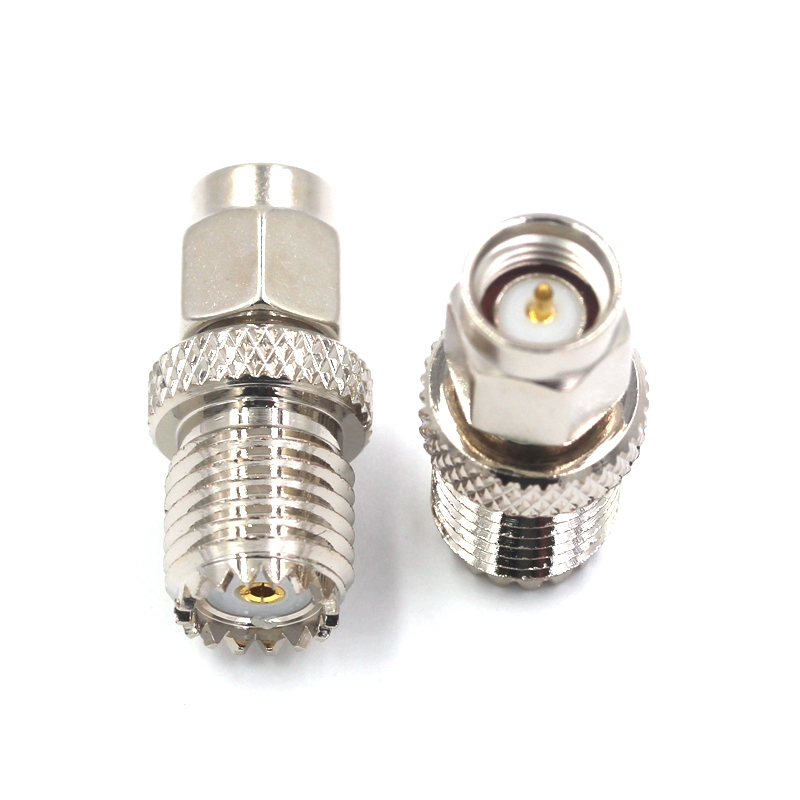
The SMA connector supports frequencies up to 18 GHz, but it is not ideal for frequent connect/disconnect use.
You can buy the best coax in the world, but if your CB antenna cable connector is poorly chosen or installed, the whole setup will suffer. Many operators discover that a sudden spike in SWR or a weak signal isn’t the cable at all—it’s the connector. That’s why picking the right CB coax cable connectors or ham radio coax connectors is just as critical as the cable itself.
Here are the ones you’ll run into most often:
- PL-259 (UHF Connector) – The classic for CB radio coax cable. Cheap, rugged, and easy to find. Perfect for CB and HF use, but once you move above ~300 MHz, losses creep in.
- BNC Connector – A favorite in test labs and handheld gear. Many newcomers ask, “What is a BNC coaxial cable?” In short, it’s just a coax with BNC ends. They come in both 50Ω and 75Ω versions, so double-check before using them in a radio chain.
- N-Type Connector – Bulky, weatherproof, and low-loss even into the GHz range. A staple in ham radio coax connectors, especially for base stations, outdoor antennas, and repeaters.
- SMA Connector – Tiny but mighty. You’ll find these on handheld ham radios, GPS receivers, and Wi-Fi gear. Great electrically, but not designed for constant connect/disconnect cycles.
- Adapters – Ever tried hooking a handheld with an SMA port to a base antenna with a PL-259? That’s where adapters shine. An SMA-to-PL259 adapter makes life easier. Companies like TEJTE stock all kinds of adapters so you can mix gear without sacrificing signal.
Table 4. Connector Types and Applications
| Connector Type | Impedance (Ω) | Frequency Range | Typical Use Case |
|---|---|---|---|
| PL-259 / SO-239 | 50 Ω | HF-UHF (<300 MHz recommended) | CB radios, base antennas |
| BNC | 50/75 Ω | Up to 4 GHz | Test equipment, scanners, ham handhelds |
| N-Type | 50 Ω | Up to 11 GHz | Outdoor ham setups, repeaters |
| SMA | 50 Ω | Up to 18 GHz | Handheld radios, GPS, Wi-Fi gear |
Quick Tips from Experience
- Always match impedance: 50Ω connectors for CB and ham radios.
- Don’t cheap out—low-grade connectors corrode fast and ruin signals.
- For outdoor installs, seal everything. A little weather tape now saves you a replacement later.
- Keep a small CB coax cable repair kit in your shack or vehicle. Nothing’s worse than losing a trip because of one cracked connector you couldn’t replace.
How to Choose the Best Coax for Your Setup
With so many options, how do you pick the right coax? The best choice depends on what band you’re working, how much power you’re running, and how long your cable run is.
Here are the main factors to consider:
- Frequency Range – High frequencies (VHF/UHF) demand lower-loss cables. For 2m/70cm ham bands, most operators call LMR-400 or even thicker cables the best coax for 2m/70cm.
- Power Handling – If you’re running an HF amplifier, you’ll need a heavy-duty CB coax cable or ham-grade coax such as RG213 that can handle the wattage.
- Cable Length – The longer the run, the more signal you’ll lose. A 25-ft CB antenna cable might work fine with RG8X, but if you need 100+ feet, step up to LMR-400.
- Environment – Outdoor installs demand UV-resistant jackets and weather-sealed connectors. If your coax is exposed to sun, rain, or vibration (like on a truck), durability matters as much as loss figures.
Best Picks by Use Case
- CB Radio (27 MHz) → The best CB coax cable for most installs is RG8X. It’s flexible enough for mobile setups and strong enough for base stations, without the bulk of RG213. If you want maximum durability, go with a heavy-duty CB coax cable like RG213.
- Ham Radio HF (1.8–30 MHz) → Loss is less of a concern, so even RG58 works for short runs. But if you want the best coax for HF ham radio, go with RG213 or LMR-400—both offer long-term reliability and high power handling.
- Ham Radio VHF/UHF (144/440 MHz) → Loss is the real killer here. For serious operators, the best coax for 2m/70cm is LMR-400. If you can stretch your budget, consider LMR-600 or even Heliax hardline for contesting or repeater setups.
Installation & Maintenance Tips
Owning the best CB coax cable doesn’t guarantee strong signals forever. What really makes or breaks performance is how you install and take care of it. Over the years, I’ve seen plenty of good cables ruined by something as simple as a cracked jacket or a sloppy connector job.
Here are a few field-tested habits to keep your CB antenna cable or ham radio coax cable working like new:
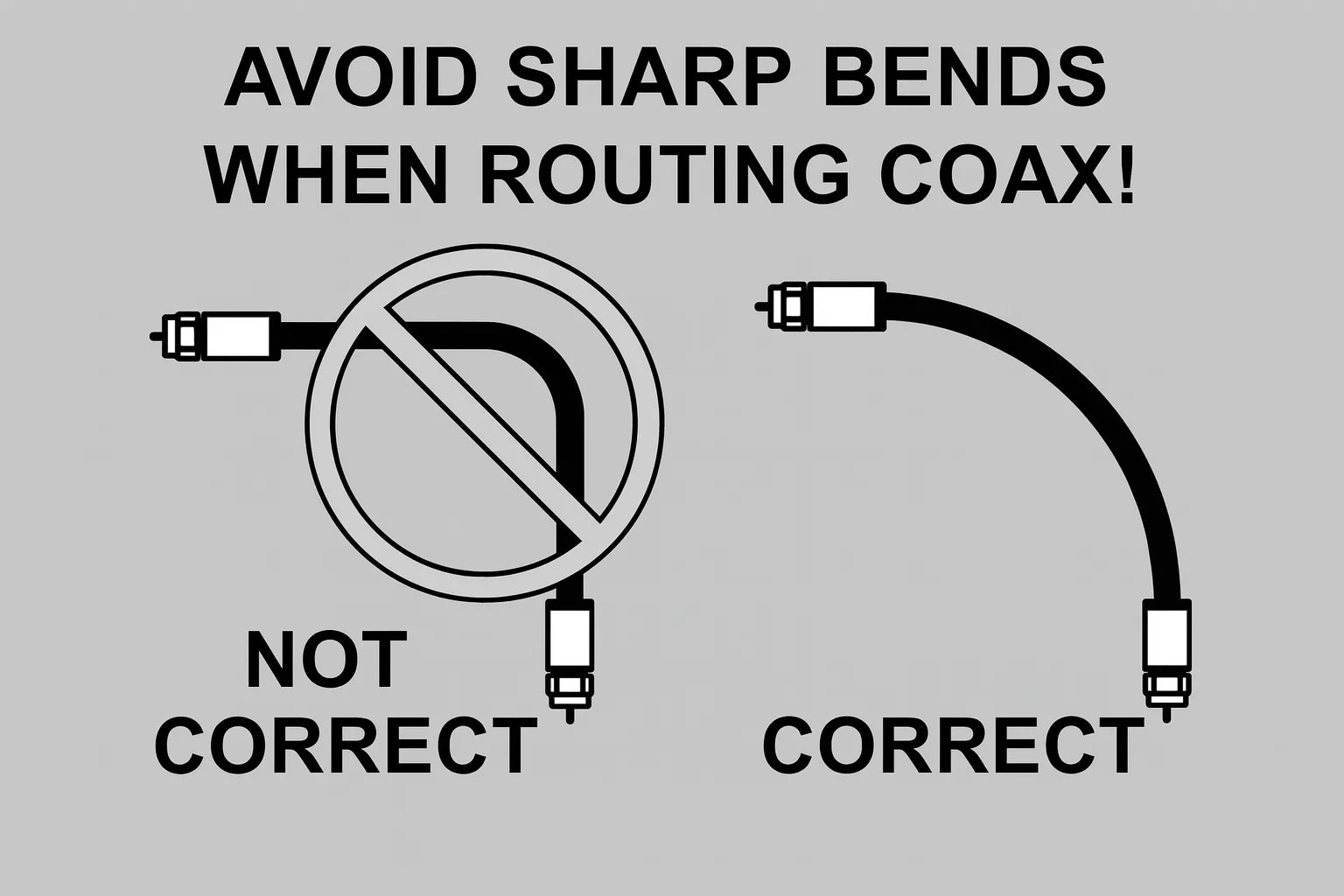
The image emphasizes how proper installation and care can extend coaxial cable life and ensure strong signals.
- Keep runs short – Coax loss adds up. Unless you really need a CB antenna cable extension, avoid extra slack that only eats signal.
- Mind the bends – Sharp corners crush the dielectric inside and mess up shielding. Route your coax gently, especially behind rigs or through car panels.
- Seal it up outdoors – If rain finds its way into your CB coax cable ends, performance drops fast. A bit of self-amalgamating tape or a weather boot can save you a replacement down the line.
- Check SWR often – Don’t wait until you can’t get out. A rising SWR usually points to a failing connector or damaged coax. Catching it early keeps your rig safe.
Bottom line: treat coax like part of the radio, not an afterthought. Protect it, check it, and replace it when it shows wear—your signal will thank you.
Frequently Asked Questions (FAQs)
What is the best CB coaxial cable?
For most operators, the best CB coax cable is RG8X. It’s flexible enough for mobile installs yet durable for base stations. Compared to RG58, it has lower loss and better power handling. If you run very long cables (100+ ft) or high power, upgrade to LMR-400 or RG213 for extra performance.
What happens if you use 75 ohm coax instead of 50 ohm?
Using a 75Ω coaxial cable (like RG6 or RG11) in a 50Ω CB radio or ham radio system creates an impedance mismatch. This raises SWR, wastes power, and may stress your transmitter. For receive-only setups, 75Ω coax works fine, but for transmitting, always stick to 50Ω coaxial cable for ham radio or CB radio.
What size cable is CB coax?
Most CB radio coax cables range from 0.195 in (RG58) to 0.242 in (RG8X) in diameter. Heavy-duty options like RG213 or LMR-400 measure about 0.405 in. Thicker cables usually mean lower loss but less flexibility.
What is a BNC coaxial cable?
A BNC coaxial cable is simply a coax terminated with BNC connectors. These are common in test equipment, scanners, CCTV, and some ham radios. They’re available in both 50Ω and 75Ω versions, so choose carefully depending on your setup.
What coax cable is used for ham radio?
Ham operators use several ham radio coax cable types:
- RG58 → lightweight, short runs, portable use.
- RG8X → affordable, low-loss, good all-around.
- RG213 / RG8 → heavy-duty for HF and high power.
- LMR-400 → modern low-loss choice, best for VHF/UHF.
For HF ham radio, RG213 or RG8X is fine. For 2m/70cm, the best coax for ham radio is LMR-400 or better.
Can you use coaxial cable for a radio antenna?
Yes. A coaxial cable for ham radio or CB is designed specifically to connect radios to antennas. Just make sure the impedance matches—50Ω coax for radios, 75Ω coax for TV/satellite.
What type of coax is used for CB radio?
The most popular CB antenna cable choices are RG58 (short, flexible, budget-friendly) and RG8X (the best CB coax cable for most operators). For heavy-duty or long base station runs, use RG213 or LMR-400.
How long should my CB antenna cable be?
There’s no magic length, but shorter is always better. Use just enough coax to reach your antenna without extra slack. Myths about “multiples of half-wavelength” matter less than keeping a proper SWR match.
How can I improve my CB radio signal strength?
- Use low-loss coax (RG8X or LMR-400 instead of RG58).
- Keep CB coax cable ends clean and tight.
- Mount the CB antenna cable high and clear.
- Tune your antenna with an SWR meter.
- For long runs, consider heavy-duty CB coax cable like RG213.
What is RG-8 and RG11 coaxial cable used for?
- RG-8 / RG213 (50Ω) → Ham radio, HF/VHF, high-power stations.
- RG11 (75Ω) → TV/satellite, long video runs. Sometimes used by hams for receive-only setups.
Which is better, RG58 or RG8X?
Almost always RG8X. It has lower loss and higher power handling while still being flexible. RG58 is fine for very short runs (<15 ft), but if you’re serious, go with RG8X—the best CB coax cable upgrade.
Which coax cable is better, RG6 or RG11?
Both are 75Ω TV/satellite cables. RG6 is thinner, cheaper, and easier to install; RG11 is thicker and has lower loss, making it better for long runs. Neither is ideal for transmitting in CB or ham, but if you must, RG11 preserves more signal.
What is the highest quality coaxial cable?
For general ham use, LMR-400 is widely considered the best balance of low loss, durability, and cost. For HF ham radio, many prefer RG213 for ruggedness. For extreme performance, LMR-600 or Heliax hardline are top-tier—but heavy and expensive. For CB radio, RG8X is the most practical “highest quality” choice.
Conclusion
Choosing the right coaxial cable is one of the most important decisions you’ll make for your radio station. The wrong coax wastes power, weakens your signal, and can even stress your equipment. The right one keeps every watt working for you.
For CB radio, the clear winner for most setups is RG8X. It’s flexible enough for mobile use, strong enough for base stations, and widely regarded as the best CB coax cable for everyday operators. If you need long runs or push higher power, step up to a heavy-duty CB coax cable like RG213 or LMR-400.
For ham radio, the choice depends on band and application:
- HF bands → RG213 or RG8X work well, with low loss over long runs.
- VHF/UHF (2m/70cm) → LMR-400 is the best balance of cost and performance, keeping your signals clear even over 100 feet.
And don’t overlook your connectors. A well-installed CB antenna cable connector or ham radio coax connector is just as vital as the coax itself. Corroded ends, poor soldering, or mismatched adapters can undo all the benefits of a good cable. Brands like TEJTE provide quality connectors and adapters so every link in your system stays strong.
In the end, the rule is simple:
Use the lowest-loss coax your budget and installation allow, and pair it with quality connectors.
Do that, and whether you’re chatting on the highway with your CB or chasing DX across continents on your ham rig, your station will perform at its absolute best.
Bonfon Office Building, Longgang District, Shenzhen City, Guangdong Province, China

A China-based OEM/ODM RF communications supplier
Table of Contents
Owning your OEM/ODM/Private Label for Electronic Devices andComponents is now easier than ever.